In today’s competitive manufacturing and retail environment, companies are constantly looking for packaging solutions that are both effective and economical. One solution that often comes up in discussions is the cost of shrink wrap packaging. But is it really worth the investment for your business? In this article, we’ll break down what shrink wrap packaging offers, how it impacts your bottom line, and whether the benefits outweigh the costs.
Shrink wrap packaging is a versatile method that involves covering products with a plastic film and then applying heat to shrink it tightly around the item. This creates a secure, tamper-evident seal that protects goods from dust, moisture, and damage during storage or transit. Businesses use it across industries such as food & beverage, pharmaceuticals, electronics, retail, and manufacturing.
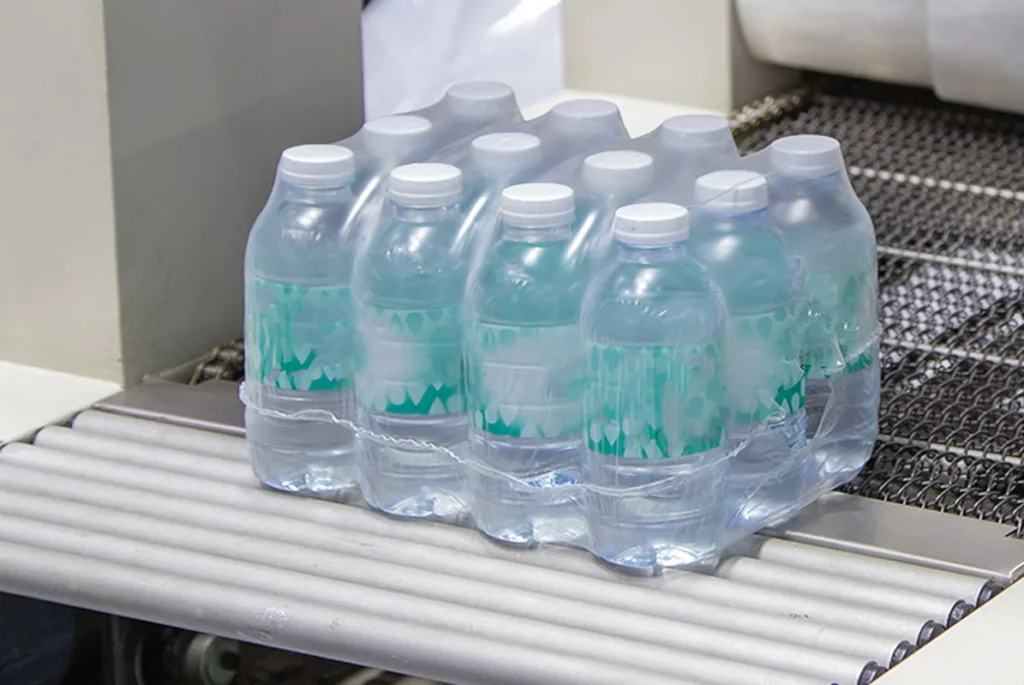
The cost-efficiency of shrink wrap packaging lies in its ability to protect products, reduce material usage, and streamline packaging processes. Compared to bulkier packaging methods such as boxes or clamshells, shrink wrap often requires less raw material, takes up less space, and reduces shipping costs.
For example, a manufacturer shipping hundreds of products per day may save significantly on freight costs due to the compact nature of shrink-wrapped goods. Additionally, the material cost per unit can be lower, especially when purchasing shrink film in bulk.
For businesses with high production output, the cost-efficiency of shrink wrap packaging becomes even more apparent. Automated shrink wrap machines can package hundreds of units per minute, reducing labour costs and increasing throughput. The initial investment in equipment may be significant, but over time, automation can lead to substantial savings.
One of the biggest considerations is the upfront cost of machinery. Depending on the type and scale of equipment you choose, prices can range from a few thousand to hundreds of thousands of rand. However, when you factor in the reduced labor, material, and shipping costs, many businesses see a return on investment within 12–24 months.
While the cost-efficiency of shrink wrap packaging is undeniable for many industries, it’s important to evaluate your business’s specific needs:
Eco-conscious businesses may worry about the environmental impact of plastic-based packaging. However, many manufacturers now offer recyclable or biodegradable shrink films, allowing companies to maintain cost-efficiency while meeting green packaging goals. According to the Sustainable Packaging Coalition, choosing recyclable shrink films can significantly reduce environmental impact while still delivering strong product protection. Sustainable shrink films may have a slightly higher purchase price, but they can boost brand reputation and appeal to environmentally aware customers.
For most mid-to-large-scale operations, the cost-efficiency of shrink wrap packaging makes it a worthwhile investment. The combination of lower material usage, reduced shipping costs, enhanced product protection, and the potential for automation often results in a strong ROI. The decision ultimately comes down to your specific product requirements, production volume, and long-term business goals.
If you’re considering switching to shrink wrap packaging or want to explore ways to optimize your current process, our team can help. We’ll assess your needs, calculate potential savings, and recommend the best shrink wrap solution for your business.
Contact us now to discuss your packaging requirements and find out how shrink wrap can save you money while protecting your products.
A flow wrap machine automatically wraps products in a continuous film, seals them horizontally, and cuts individual packages — forming tight, protective wraps around items like snacks, hardware, or medical products. This automates manual wrapping and boosts production efficiency.
Flow wrap machines handle a wide range of products including snacks, confectionery, bakery goods, biscuits, bar soaps, cables, medical disposables, hardware parts, and other items suited to horizontal wrapping.
By automating wrapping, sealing, and cutting, flow wrap machines increase throughput, reduce manual labour, deliver consistent packaging quality, and minimise material waste — making them ideal for high-speed production lines.
Flow wrap machines are widely used in:
Food & Beverage (snacks, biscuits, sweets)
Pharmaceutical & Medical
Consumer Goods
Industrial Parts & Hardware
Electronics & Accessories
They are versatile across sectors needing sealed packaging that’s ready for retail or distribution.
Yes — flow wrap machines are adjustable to handle various product sizes and shapes. Tooling changes and adjustable guides allow quick changeovers for different production runs.
Flow wrap systems work with several film types including polyethylene (PE), polypropylene (PP), and laminated films. Some models also support biodegradable or compostable films to align with sustainability goals.
Flow wrap machines create tight seals around individual products, protecting them from dust, moisture, contamination, and handling wear — helping maintain product quality through transport and retail.
Yes — flow wrap machines can integrate with conveyors, weighers, labelers, code printers, and check-weigh systems to form fully automated packaging lines tailored to your production needs.
Absolutely. There are compact semi-automatic models for smaller batches as well as high-speed automatic flow wrap systems for large-scale industrial production.
Consider your:
Product type and shape
Required speed (units per minute)
Film type and thickness
Integration needs with other equipment
A packaging specialist can help tailor the ideal flow wrap solution based on your requirements and budget.