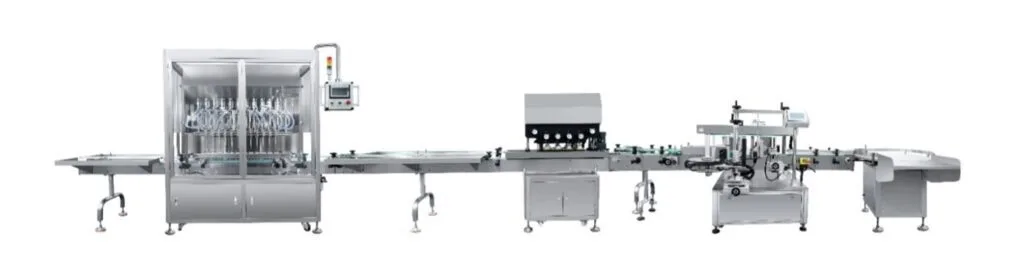
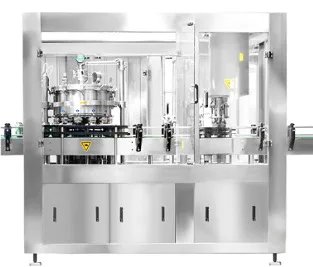
Machine Overview
| Machine type | Can filler and seamer monoblock |
| Products | Beverages, canned food, pharmaceuticals, industrial fluids, skincare products |
| Output | Up to 1,200 cans/hour with variable speed control |
| Filling systems | Measuring cup, multihead weigher, liquid/paste pump, or auger screw |
| Seaming | Double- or triple-seam, hermetic sealing |
| Materials | SUS 304 stainless steel contact parts |
| Automation | PLC HMI control with No-Can No-Fill/Seal technology |
| Utilities | 380 V three-phase, compressed air, CO2 supply |
Configurations
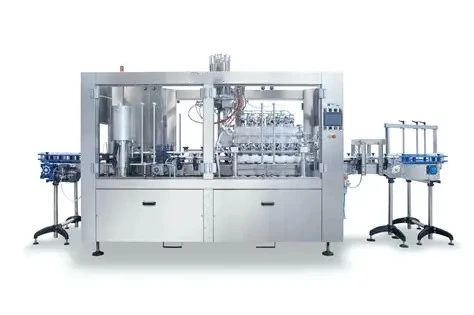
A can fill-seam machine integrates a can filler and a can seamer into one monoblock, with the filling system chosen to match the product. Four filling systems cover free-flowing powders through to liquids and pastes. If you are still deciding between a monoblock and separate filler and seamer, see the comparison below.
Doses free-flowing products by volume. Built for instant and ground coffee, baking powder and breadcrumbs.
Weighs mixed or single products by weight rather than volume. Built for canned tuna, chicken, beef, vegetables, beans and soup mixes.

Pumps liquids or viscous products to volume. Built for fruit juices, tomato paste, cooking oils, beverage concentrates and condensed milk. Includes recirculation for hot-fill products to hold constant temperature.
Doses powders by a rotating screw. Built for milk and protein powders, soup mixes, cocoa powder, spices and baby formula.
Applications
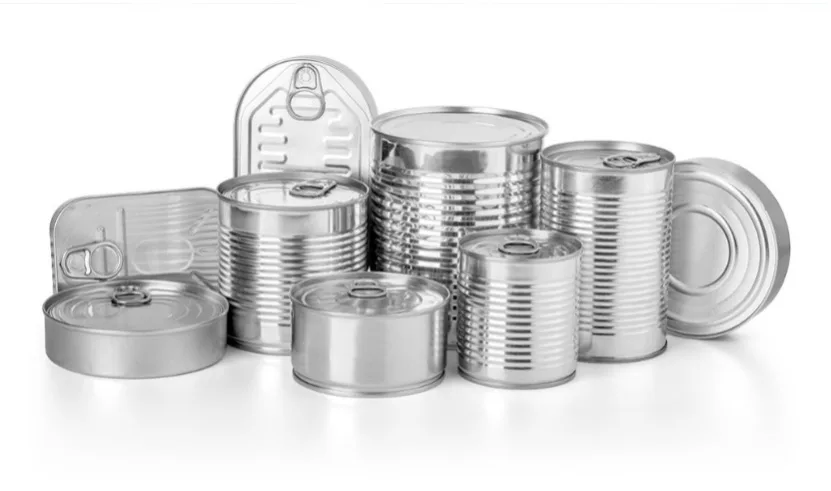
Filling system and can format are matched to the product. These are the four sectors we supply into most.
Beer, soda, cider, water, juice, coffee, tea, wine and carbonated drinks, where hermetic sealing and, for sensitive products, hot-fill recirculation both matter.
Tuna, jam, sauces, honey, dry foods, soup, vegetables, fruit, meat and seafood, filled by the system matched to the product’s form.
Raw materials, powders, pills and medical supplies; and industrial fluids including petrol, oil, diesel, paint and lubricants.
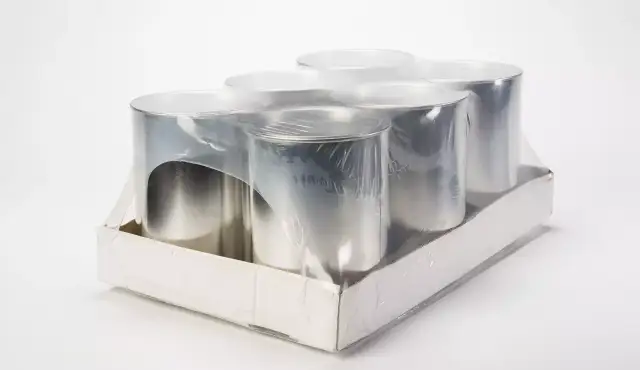
Lotions, oils and shampoos, filled by the liquid and paste pump system and hermetically sealed for shelf stability.
Applications
Canned beverages. Hermetic sealing at speed:
Canned food. Solids, liquids and mixes:
Pharmaceutical and industrial. Regulatory-compliant construction:
The guides below cover the buying and running questions we are asked about most for can fill-seam lines.
Choosing: how to choose a canning machine · canning machines in the food industry
Cost: canning machine cost · canning machine ROI
By product: drink and beverage canning · canning machine for food · full canning line solutions
Specifications
A can fill-seam machine is specified by filling system and target output first, can format second. Output runs up to 1,200 cans/hour with variable speed control.
Sizing the line. Filling system is chosen to match your product; can format, hot-fill requirements and integration with upstream or downstream equipment then shape the rest of the specification. Contact us to confirm the right configuration for your product and can size.
All contact parts are SUS 304 stainless steel. Hot-fill products use a recirculation system to hold constant temperature; a CIP system sanitises the line in a closed loop.
Output runs up to 1,200 cans per hour with variable speed control. Real output depends on can size and product; confirm on a trial with your product and can format.
| Parameter | Specification |
|---|---|
| Output | Up to 1,200 cans/hour with variable speed control |
| Filling systems | Measuring cup, multihead weigher, liquid/paste pump, or auger screw |
| Seaming | Double- or triple-seam process for airtight, hermetic sealing |
| Filling accuracy | Volumetric filling valve with inductive flow meter |
| Hot-fill capability | Recirculation system holds constant product temperature during downtime |
| Contact parts | SUS 304 stainless steel |
| Controls | PLC HMI with No-Can No-Fill/Seal technology |
| Sanitation | CIP (clean-in-place) with automatic centralised lubrication |
| Energy | Up to 30% savings achievable through servo-driven systems |
| Changeover | Automatic height adjustment, quick-change handling parts |
| Utilities | 380 V three-phase; compressed air; CO2 supply for pre-flushing |
Machine sizing and exact model configuration depend on your can format, product and target output — contact us to confirm the right configuration for your line. CE certificates are available on request.
Not sure which filling system suits your product? See the comparisons below, then send us your product and can format for a trial.
About our modelModel codes shown are machines we have built or configured for previous projects. Your machine is specified and built to suit your product, output and pack format — not supplied off the shelf.
About the machine
A can fill-seam machine integrates a can filler and a can seamer into one monoblock. Empty cans are centred in a differential pressure chamber, pre-flushed with CO2, filled to volume through a pneumatic valve checked by an inductive flow meter, then conveyed to the seamer where a lid is applied and rolled into an airtight double- or triple-seam.
Fill volume, seam pressure and, for hot-fill products, recirculation temperature are set per product and held in the machine controls.
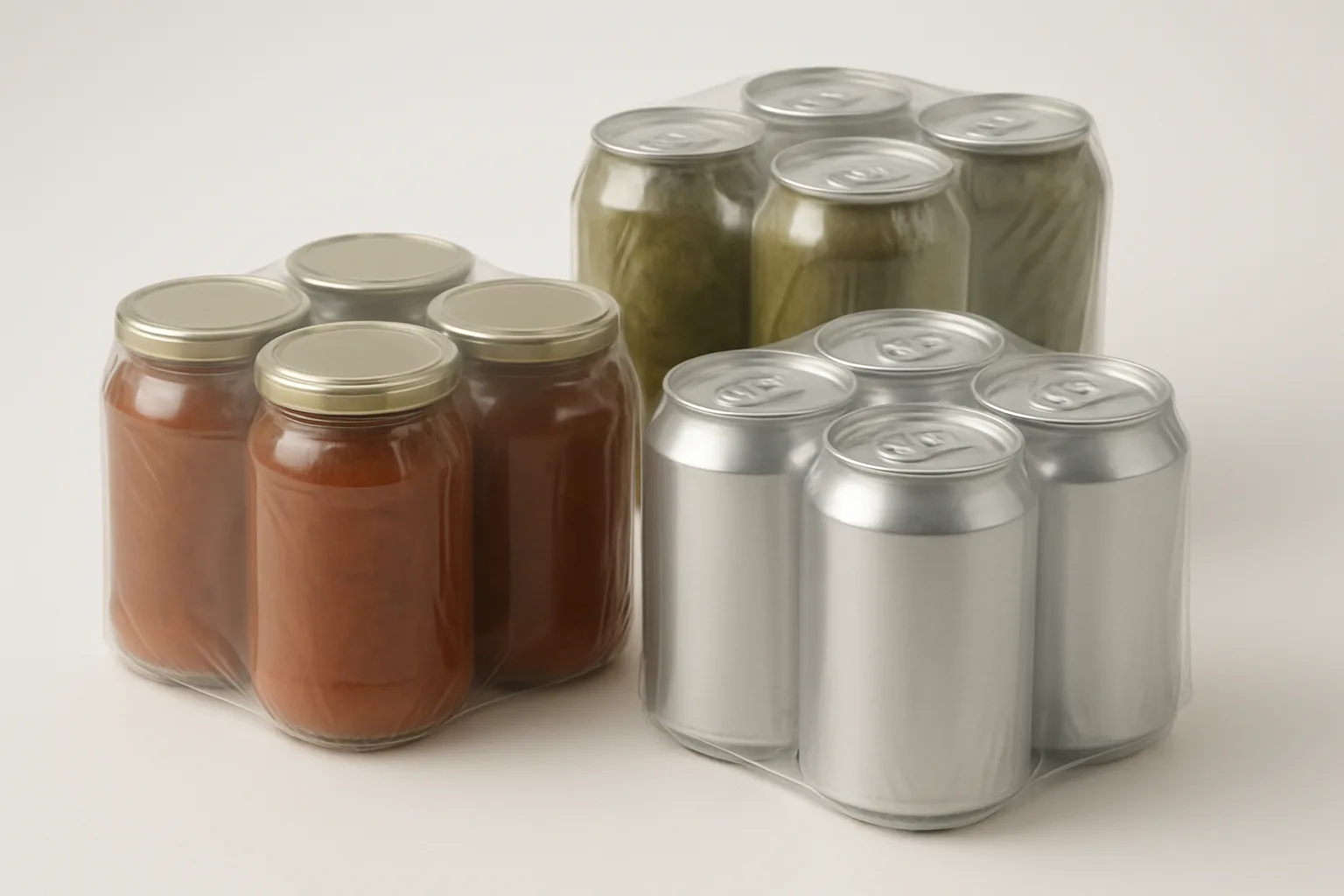
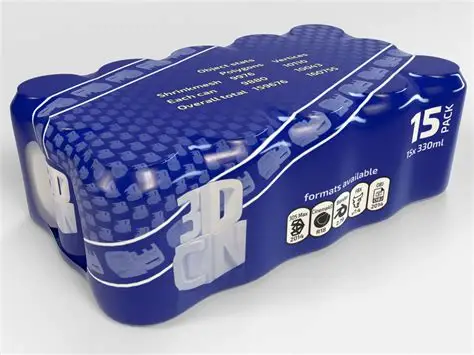
Downstream the sealed can feeds a shrink tunnel, labelling machine or cartoning machine for final packing.
For a complete production line, see our canning line solutions guide.
Can filling suits any product that benefits from hermetic, tamper-evident sealing across a wide range of viscosities.
Typical products are beer, soda and juice; canned tuna, soup and vegetables; and industrial fluids and skincare products.
For the finished can, see our shrink tunnel page for multipack bundling.
The comparisons we send to anyone weighing up a monoblock against separate filler and seamer units, or hot-fill against cold-fill.
Comparison
Both fill and seal cans; the difference is whether the two functions sit in one machine or two.
| Monoblock | Separate filler and seamer | |
|---|---|---|
| Integration | Filler and seamer in one unit | Two separate machines, conveyor-linked |
| Footprint | Compact, single-source solution | Larger, more floor space required |
| Control | Joint PLC control, single interface | Separate controls per machine |
| Best for | Low to medium-speed production lines | Lines needing independent servicing or staged expansion |
Choose a monoblock for a compact, single-source solution on low to medium-speed lines; choose separate units where you need to service or expand filling and seaming independently.
Some products need to be filled hot to preserve them; others fill cold. The machine configuration differs accordingly.
| Hot-fill | Cold-fill | |
|---|---|---|
| Process | Product recirculated to hold constant temperature | Standard ambient-temperature filling |
| Equipment | Requires a recirculation system and CIP sanitising | Standard filling valve, no recirculation needed |
| Best for | Sensitive beverages, juices, dairy-based drinks | Carbonated drinks, water, most food products |
| Benefit | Preserves product through downtime | Simpler, lower-cost configuration |
Choose hot-fill for products that need heat treatment to preserve quality and shelf life; cold-fill is simpler and suits most carbonated and ambient-stable products.
Guides
No case studies exist for this machine yet — here are the guides we send to anyone choosing a can filling configuration.
“Highly recommended! Excellent customer service, great prices, and they always go above and beyond.”
Ratings and reviews are published on our Google Business Profile, where they can be read in full and in context.
PackMan purchased an Automatic 6-Lane, 4-Side Seal Vinegar Packaging Machine, and it has been performing reliably since installation. The machine delivers consistent packaging quality, operates efficiently, and has met our production expectations.
SA Packaging Machinery delivered a solution that has met our expectations. The equipment has been reliable in daily production, and we’re pleased with its performance. We found the team knowledgeable, professional, and willing to assist whenever required.

We’ve been very happy with the equipment supplied by SA Packaging Machinery. It’s straightforward to use, performs consistently, and has helped us improve our production process. The team was easy to work with and made the entire experience smooth.

Why us
A hermetic can seal protects a product through distribution, storage and shelf life in a way few other formats match, and a monoblock line does it without the footprint of separate machines. Because filling system and can format are chosen independently, the same underlying design covers beverages, food, pharmaceuticals and industrial fluids on one platform.
For the finished can, our shrink tunnel, labelling and cartoning pages cover what happens next.
Quotation
A can fill-seam machine is quoted to your product and can format, so the quotation is built from a trial run rather than a list price. Send us your product and can and we will confirm the right configuration and quote it.
Why us
Every can fill-seam machine we supply is installed and commissioned on your floor, with operator training, a spare-parts holding in Johannesburg and technical support once you are running.
Installation and commissioning.
We position the monoblock, connect the electrical, compressed air and CO2 supply, set fill volume and seam settings against your own product and can, and hand over once cans are filling and seaming consistently.
Operator training.
Your operators are trained on filling valve settings, seaming roller adjustment, CIP sanitising cycles, PLC operation, and the wear items worth keeping on the shelf.
Service, spares and support.
Filling valves, seaming rollers, chucks and lubrication system components are held in Johannesburg, with service across South Africa and into neighbouring SADC markets.
Choosing the right can fill-seam configuration comes down to five things:
You might also like
SA Packaging Machinery supplies can fill-seam machines across South Africa and Southern Africa. Send us your product and can and we will confirm the right configuration and quote it.
Questions
A machine that integrates a can filler and a can seamer into one monoblock, filling cans to volume and hermetically sealing them with a double- or triple-seam process.
Canned beverages (beer, soda, juice, coffee), canned food (tuna, soup, vegetables, meat), pharmaceuticals and powders, industrial fluids, and skincare and haircare products.
Measuring cup for free-flowing products, multihead weigher for mixed or single products by weight, liquid and paste pumps for liquids and viscous products, and auger screw for powders.
Hot-fill uses a recirculation system to hold sensitive beverages at constant temperature during filling and downtime; cold-fill is standard ambient filling for products that don’t need heat treatment.
Up to 1,200 cans per hour with variable speed control. Real output depends on can size and product; confirm on a trial with your product and can format.
A monoblock suits low to medium-speed lines wanting a compact, single-source solution; separate filler and seamer units suit lines needing independent servicing or staged expansion.
Yes. Additional filling stations for products needing liquid addition, recirculation systems for hot-fill, and integration with shrink wrap, labelling or cartoning can all be added.
Routine care: clean filling valves and the CO2 pre-flush chamber, inspect seaming rollers and chucks, check the CIP sanitising cycle, and maintain the automatic lubrication system.