A filling machine doses a set amount of product into a container you already have: a bottle, cup, tube, can, capsule, jar, tub, pouch or bag. We supply automatic and semi-automatic filling machines for liquids, creams, pastes, powders and granules, from 2 ml bottles to 50 kg bags, and many also cap, seal or seam the pack in the same run. Where the pack is made from roll film, see our form fill seal machines instead.
Three things decide which filling machine you need: the container you fill, how your product flows and the output you need.
The container. Bottles are filled, capped and labelled on a bottle filler-capper-labeller line. Cups are filled and foil-sealed on a cup fill and seal machine, tubes on a tube fill and seal machine, and cans are filled and seamed on a can fill-seam machine. Hard gelatin capsules are filled on capsule filling equipment. Premade pouches, bags, jars and tubs are filled on a semi-automatic filler or, for higher output, a horizontal fill-seal machine.
The product. The filler is matched to how your product flows: a piston or pump for liquids, creams and pastes, an auger for powders, and a measuring cup or weigher for granules. For more on one product form, see liquid filling machines and powder packaging machines.
The output. A semi-automatic filler, where the operator places each pack and the machine doses, suits start-ups and short runs. An automatic filling machine feeds, fills and closes the pack in a continuous cycle and suits steady production: it holds every fill to the same volume, cuts spillage and product giveaway, and keeps operators’ hands away from the product, which matters on food, pharmaceutical and cosmetic lines.
See it running
Filling machines from the range running, from bottles and cans to tubes, capsules and tubs. Book a visit to see them in person at our Riversands showroom in Johannesburg.
A 3-in-1 machine rinses each bottle, fills it and fits the cap in one pass.
A filler for larger containers, from 5 to 20 litres.
A fully automatic line fills each can with a beverage and seams the lid on.
Tubes are filled with cream or paste and sealed at the tail in one run.
Hard gelatin capsules are separated, filled and rejoined.
An auger doses powder into each tub while the operator places it.
A filling machine works in three stages: it presents the container, doses the product into it, then closes the container or passes it on. On a semi-automatic filling machine the operator places the container under the filling head. On an automatic machine a conveyor or turntable indexes each container into position.
Dosing is where filling machines differ most. A piston draws a set volume of liquid or paste into a cylinder and pushes it into the container, which suits thick products such as creams and sauces, while a pump suits thinner liquids. An auger screw turns a set number of times to dose powder, a measuring cup fills a fixed volume of free-flowing granules, and a multihead weigher portions product by weight. Capsule fillers use tamping pins or a dosator to dose powder into each capsule body.
Closing usually happens on the same machine: capping on a bottle line, heat-sealing foil or film onto cups, sealing the tail of a tube, and double-seaming the lid onto a can.
The container decides the filling machine and the product decides the filler. If you are choosing by product or pack, these pages go into more detail.
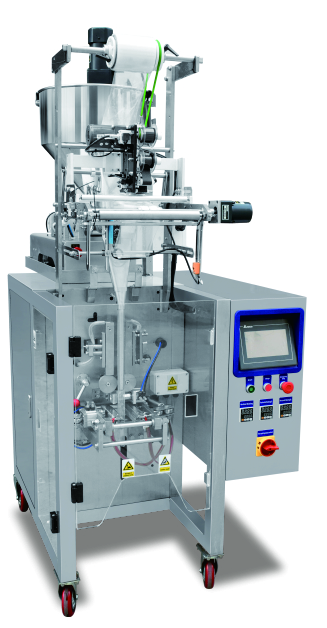
Water, juice, sauces, oils, creams and chemicals in bottles, cans, sachets and pouches. Read more: liquid filling machines.
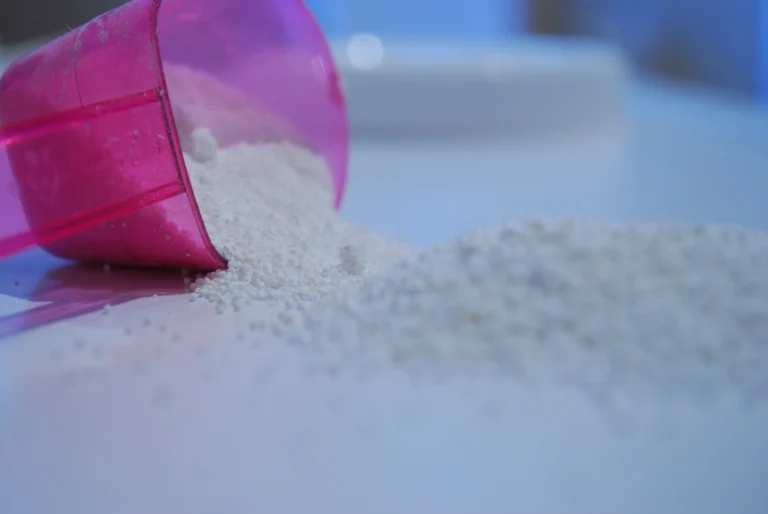
Flour, spices, milk powder, protein and chemical powders, dosed by auger. Read more: powder packaging machines.
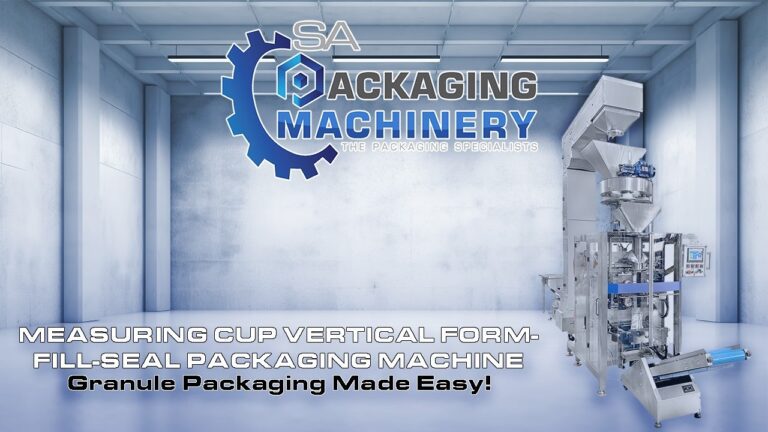
Rice, sugar, seeds, beans and pet food, dosed by measuring cup or weigher. Read more: grain and granule packing machines.
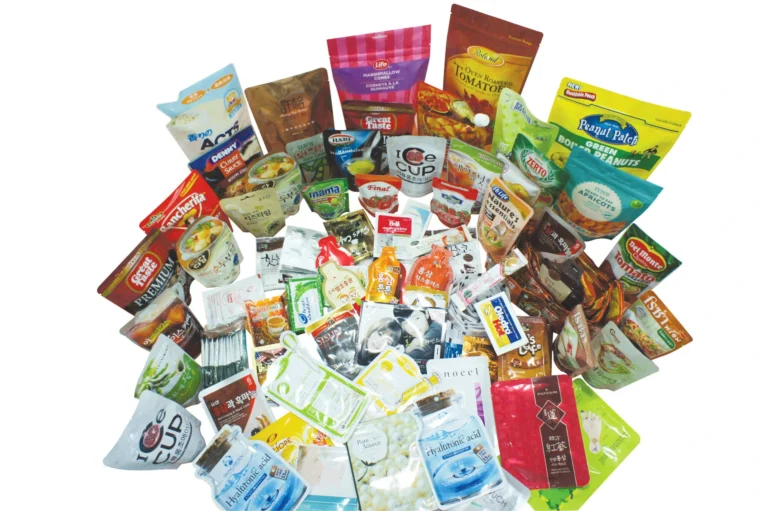
Stand-up, zipper and spout pouches, filled and sealed on a horizontal fill-seal machine or a semi-automatic filler. Read more: pouch packaging machines.
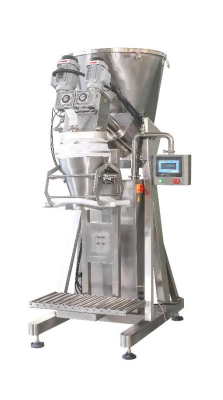
Bulk powders and granules weighed into open-mouth bags. Read more: bagging machines.
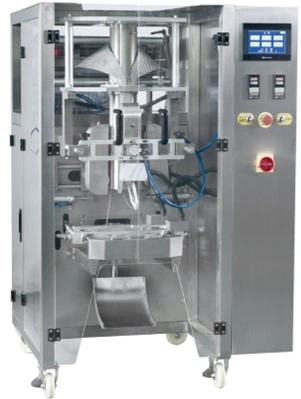
When the pack is formed from film rather than supplied ready-made, the job moves to a form fill seal machine. Read more: form fill seal machines.
Buying
We supply filling machines configured to suit your product, container and production needs. Each machine is customised and prepared at our workshop in Riversands, Johannesburg before delivery and commissioning across South Africa and into neighbouring SADC markets.
A quotation is put together from four things: the product, the container and fill size, the output you need, and whether the machine should also cap, seal or label. Send us a sample and we trial it on the machine, so you see the fill accuracy and the finished pack before you decide.
Our own technicians install and commission the machine and train your operators on site. Every machine carries a one-year warranty, and spares are held in Johannesburg.
Our PDF catalogue has images and specification tables for the filling machines on this page and the rest of our range. Download it, or ask for a quote on your product.
A filling machine fills a container you already have, such as a bottle, cup, tube, can, capsule or premade pouch. A form fill seal machine makes the pack itself from a roll of film, fills it and seals it in one run. If you buy ready-made containers, you need a filling machine. If you want to make sachets, pillow bags or pouches from film, see form fill seal machines.
Yes, most filling machines in the range close the pack on the same machine. A bottle filler-capper-labeller fills, caps and labels, cup and tube fill and seal machines seal the cup or tube, and a can fill-seam machine seams the lid onto the can. A semi-automatic filler doses only, so the pack is closed on a separate machine; see semi-automatic filling machines for the options.
Usually, within a range. The fill volume is set on the machine, and change parts such as nozzles and guides adapt it to a different container. Very different containers, such as small bottles and 20 litre drums, normally need a different filler. Tell us every size you plan to run when you ask for a quote.
Yes. Product-contact parts are food-grade materials, with SUS304 stainless steel as standard and SUS316 where the product carries salt. Capsule filling equipment has a dust-extracted, GMP-compliant design for pharmaceutical and supplement products.
The price depends on the type of machine, the filler your product needs, whether it is semi-automatic or fully automatic, the output, and whether it also caps, seals or labels. Because each machine is configured to your product, we quote per application rather than publish a price list. See our guide to packaging machine cost in South Africa, or send us your product and container for a quote.