Machine Overview
| Machine type | Capsule filling machine |
| Products | Powders, pellets, granules, micro-tablets and liquids |
| Capsule sizes | 000 (largest) to 4 (smallest), hard gelatin capsules |
| Filling systems | Tamping pin, dosator, pellet or liquid |
| Automation | Manual, semi-automatic or fully automatic |
| Construction | Stainless steel, dust-extracted, GMP-compliant design |
| Utilities | 220–380 V, compressed air where required |
Configurations
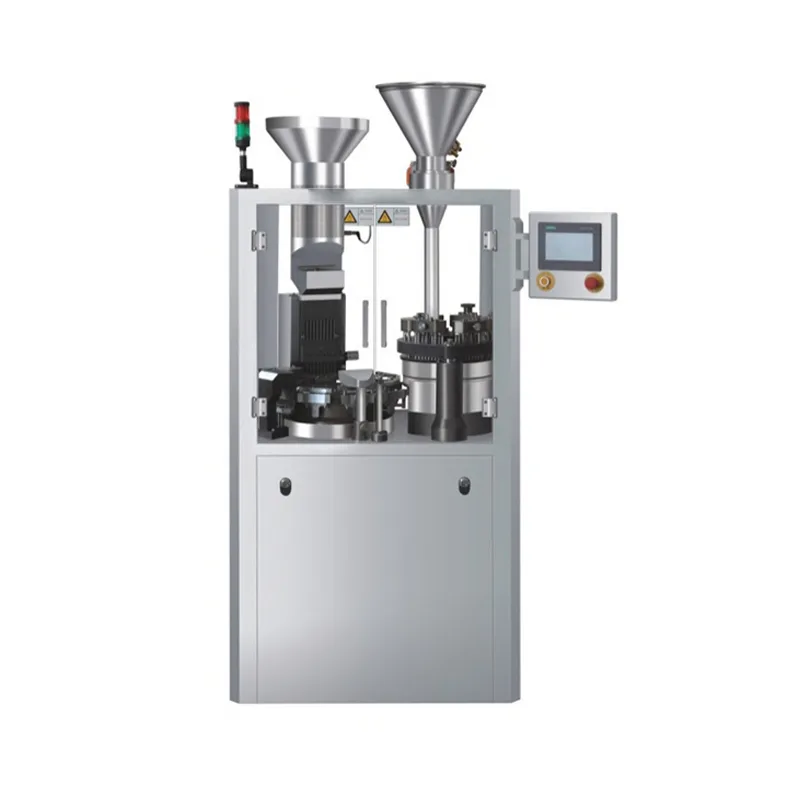
A capsule filling machine orients, separates, fills, rejoins and ejects hard gelatin capsules. Automation level is the main decision, and filling system is matched to your product’s form — powder, pellet, micro-tablet or liquid. If you are still deciding, see the comparison below.
Not sure this is the right filler? Our filling machines page compares every filler we supply by container, product and output.
The operator performs most of the filling process by hand. Suited to research labs, product development and artisanal, small-batch production.

Combines manual loading with automated filling operations. The common choice for growing supplement manufacturers, medium-sized pharmaceutical companies and contract manufacturers.
Performs the entire cycle — separation, dosing, closing, discharge and quality rejection — with minimal operator intervention. Built for continuous, high-volume manufacturing.

Capsule filling machines run standard hard gelatin capsule sizes from 000 (largest, veterinary) to 4 (smallest, paediatric and specialty products), with size 0–2 the most common in pharmaceutical and nutraceutical production.
Applications
Filling system is matched to the product’s form. These are the four sectors we supply into most.
Prescription and over-the-counter medication, where dosage accuracy and GMP, FDA and ISO compliance are non-negotiable.
Vitamins, adaptogens, probiotics and personalised supplements, a fast-growing category driven by the wellness market.
Botanical extracts, mushroom nootropics, gut-health products and plant-based nutraceuticals, where moisture-sensitive ingredients need careful handling.
Customised animal therapies and pet supplements, typically using larger capsule sizes (000 and 00) for dosing accuracy across species and weights.
Applications
Pharmaceutical. Compliance and dosage accuracy:
Nutraceutical and supplements. Growing wellness demand:
Herbal and functional food. Moisture-sensitive handling:
The guides below cover the buying and running questions we are asked about most for capsule filling.
Choosing: capsule filling equipment guide · how capsule filling machines work · automatic capsule fillers overview
Cost: capsule filling machine cost
For every machine in the range that fills liquid, and how the filler is matched to thin, foamy, hot or viscous products, see liquid filling machines.
Specifications
A capsule filling machine is specified by filling system and capsule size first, automation level and output second.
Sizing the machine. Filling system is chosen by product form: tamping pin or dosator for powders, a dedicated system for pellets or micro-tablets, and a liquid nozzle for oils and suspensions. Capsule size range then sets the change parts required.
Dosing accuracy depends on the dosing system, powder flow characteristics, capsule size, product density and machine calibration. Advanced automatic machines use servo-controlled dosing with integrated sensors to reject out-of-tolerance capsules.
Output depends heavily on automation level, from manual bench production through to continuous automatic lines. Confirm real output on a trial with your product and capsule size.
| Parameter | Specification |
|---|---|
| Filling systems | Tamping pin, dosator, pellet, micro-tablet, or liquid nozzle |
| Capsule sizes | 000 to 4 (hard gelatin capsules) |
| Construction | Stainless steel, dust extraction, anti-cross-contamination protection |
| Automation | Manual, semi-automatic or fully automatic |
| Quality control | Integrated sensors reject capsules outside specified fill weight |
| Compliance | GMP, FDA and ISO-aligned design |
| Options | Polishing, weight checks, metal detection, bottling or blister integration |
| Capsule size | Typical capacity | Common use |
|---|---|---|
| 000 | Largest | Veterinary |
| 00 | Large | Supplements |
| 0 | Medium | Pharmaceuticals |
| 1 | Medium-small | Nutraceuticals |
| 2 | Small | Herbal products |
| 3 | Smaller | Low-dose medicines |
| 4 | Smallest | Paediatric and specialty products |
Machine sizing, output and automation level depend on your product, capsule size and target volume — contact us to confirm the right configuration for your line.
Not sure which filling system suits your product? Send us your product and capsule size for a trial.
About our modelModel codes shown are machines we have supplied and configured for previous projects. Your machine is specified and configured to suit your product, output and pack format — not supplied off the shelf.
About the machine
A capsule filling machine automates the process of separating, filling and locking hard gelatin capsules. Empty capsules are oriented, separated into cap and body, the body is dosed with product, the cap is pressed back on and locked, and the finished capsule is ejected for inspection and packaging.
Dosing method, fill weight and capsule size are set per product and held in the machine controls, so a changeover is a settings and change-parts adjustment.
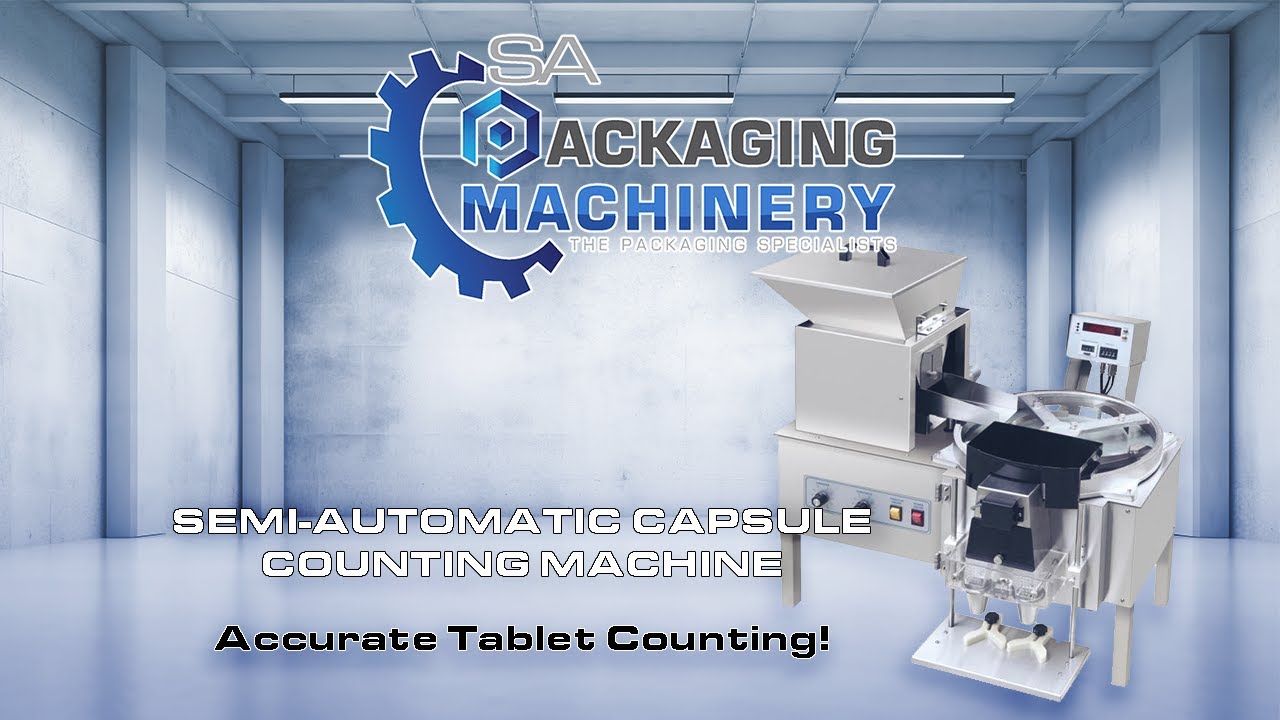
Downstream the filled capsule feeds weighing, polishing, metal detection, bottling or blister packing.
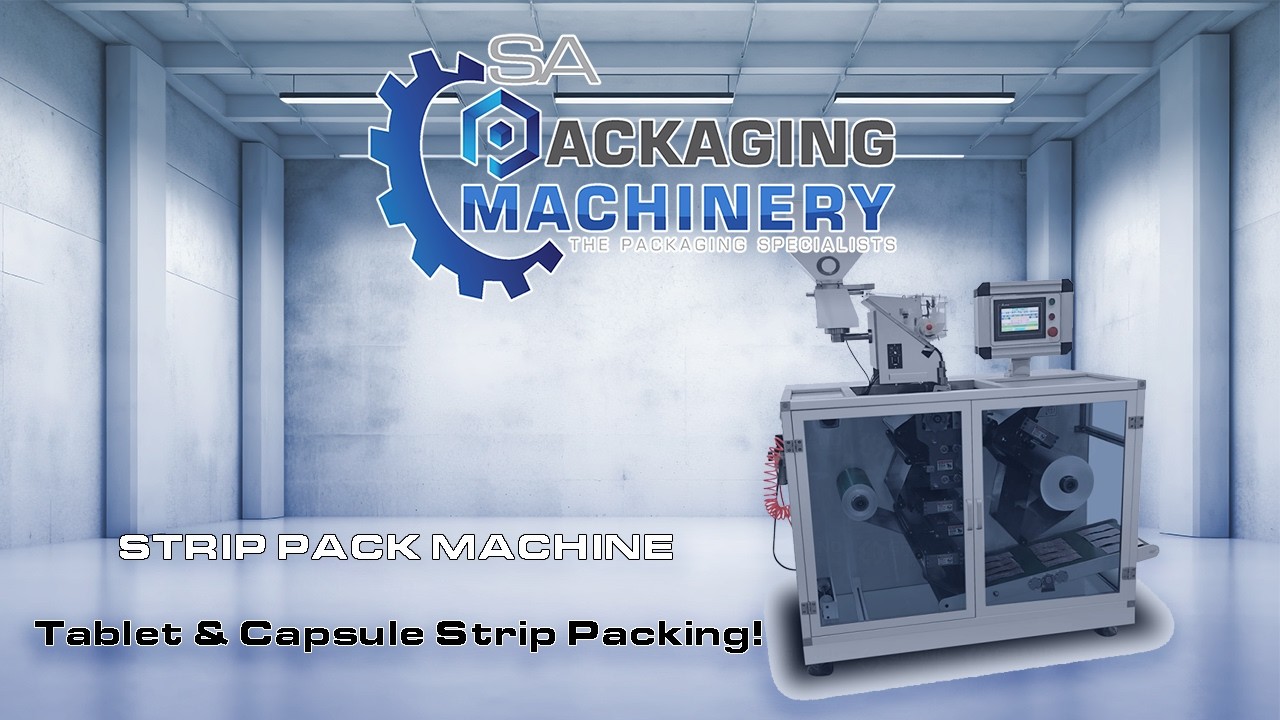
For the finished capsule, see our blister and clamshell machine page for capsule blister packaging.
Capsule filling suits any product needing accurate, contamination-protected dosing in a swallowable, portion-controlled format.
Typical products are prescription medication, vitamins and supplements, herbal extracts, and veterinary and pet supplement formulations.
For capsule blister packaging after filling, see our blister and clamshell machine page.
Comparison
All three fill and lock capsules accurately; the difference is production capacity and how much of the cycle the operator handles.
| Manual | Semi-automatic | Fully automatic | |
|---|---|---|---|
| | | |
| Operation | Operator performs most steps by hand | Manual loading, automated filling | Fully automated, minimal intervention |
| Best for | R&D, small-batch, artisanal runs | Growing manufacturers, contract packers | High-volume continuous production |
| Investment | Lowest | Medium | Highest, lowest long-term labour cost |
Choose manual for R&D and small-batch work, semi-automatic for growing production needing a balance of cost and output, and fully automatic for continuous, high-volume manufacturing.
Filling system is chosen by your product’s form and flow characteristics, not automation level.
| Tamping pin | Dosator | Liquid nozzle | |
|---|---|---|---|
| | | |
| Product | Free-flowing powders | Poor-flow powders | |
| Method | Compresses powder into plugs | Vacuum-forms a powder slug | Doses liquid directly |
| Best for | Standard pharmaceutical powders | Difficult-to-flow ingredients | Oils, suspensions, semi-solids |
Tamping pin suits most standard powders; dosator handles poor-flow ingredients; liquid nozzle systems are needed for oils and suspensions. Pellet and micro-tablet systems are also available for those specific formats.
Guides
No case studies exist for this machine yet — here are the guides we send to anyone choosing a capsule filling configuration.
“Highly recommended! Excellent customer service, great prices, and they always go above and beyond.”
Ratings and reviews are published on our Google Business Profile, where they can be read in full and in context.
PackMan purchased an Automatic 6-Lane, 4-Side Seal Vinegar Packaging Machine, and it has been performing reliably since installation. The machine delivers consistent packaging quality, operates efficiently, and has met our production expectations.

SA Packaging Machinery delivered a solution that has met our expectations. The equipment has been reliable in daily production, and we’re pleased with its performance. We found the team knowledgeable, professional, and willing to assist whenever required.
We’ve been very happy with the equipment supplied by SA Packaging Machinery. It’s straightforward to use, performs consistently, and has helped us improve our production process. The team was easy to work with and made the entire experience smooth.
Why us
A capsule gives a product accurate, contamination-protected dosing in a familiar, swallowable format, which is why pharmaceutical and nutraceutical brands rely on it for everything from prescription medicine to wellness supplements. Because filling system, capsule size and automation level are all chosen independently, the same underlying machine design scales from a research lab’s first manual filler to a fully automatic line running continuously.
For capsule blister packaging after filling, see our blister and clamshell machine page.
Quotation
A capsule filling machine is quoted to your product, capsule size and target output, so the quotation is built from a trial run rather than a list price. Send us your product and we will confirm the right configuration and quote it.
Why us
Every capsule filling machine we supply is installed and commissioned on your floor, with operator training, a spare-parts holding in Johannesburg and technical support once you are running.
Installation and commissioning.
We position the machine, connect the electrical supply, set dosing, orientation and locking settings against your own product and capsule size, and hand over once capsules are filling and locking consistently.
Operator training.
Your operators are trained on capsule size changeovers, dosing calibration, quality-sensor settings, and the wear items worth keeping on the shelf.
Service, spares and support.
Tamping pins, dosators, change parts and dosing sensors are held in Johannesburg, with service across South Africa and into neighbouring SADC markets.
Choosing the right capsule filling configuration comes down to five things:
You might also like
Browse the full range
Filling MachinesFlow WrapHorizontal Fill-SealHorizontal Form-Fill-SealCartoningCup Fill and SealTube Fill and SealLabellingShrink Sleeve LabellingShrink TunnelSleeve Sealer and Shrink TunnelL-Bar SealerSide Bar SealerBlister and ClamshellBottle Filler-Capper-LabellerCan Fill-Seam
SA Packaging Machinery supplies capsule filling machines across South Africa and Southern Africa. Send us your product and capsule size and we will confirm the right configuration and quote it.
Questions
A machine that automates separating, dosing and rejoining hard gelatin capsules, filling each one accurately with powder, pellets, micro-tablets or liquid before locking and ejecting it.
Prescription medication, vitamins and nutraceutical supplements, herbal and botanical extracts, and veterinary and pet supplement products, using capsule sizes from 000 to 4.
Tamping pin and dosator systems for powders, a dedicated system for pellets or micro-tablets, and a liquid nozzle for oils and suspensions. Filling system is matched to your product’s form.
Hard gelatin capsules from size 000 (largest, veterinary) to size 4 (smallest, paediatric and specialty products), with sizes 0 to 2 most common in pharmaceutical and nutraceutical production.
Output depends heavily on automation level, from manual bench production through to continuous automatic lines producing thousands of capsules per hour. Confirm real output on a trial with your product.
Choose manual for R&D and small-batch work, semi-automatic for growing production, and fully automatic for continuous high-volume manufacturing. See our comparison above for the full breakdown.
Yes. Polishing stations, weight-check and metal detection, blister or bottling integration, and custom change parts for different capsule sizes can all be added.
Routine care: clean tamping pins or dosators, calibrate dosing sensors, inspect capsule orientation and separation mechanisms, and check change parts for wear.