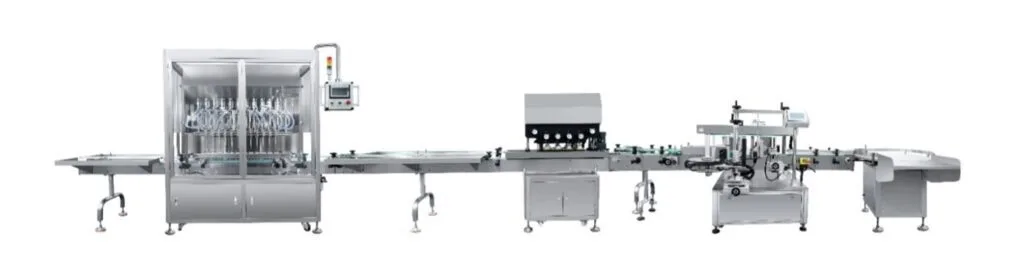

Machine Overview
| Machine type | Blister and clamshell forming, filling and sealing machine |
| Products | Tablets, capsules, batteries, hardware, electronics, confectionery |
| Layout | Linear, rotary or capsule-specific |
| Max forming area | 250 × 200 mm |
| Punch frequency | 60–130 blister sheets/min depending on model and material |
| Materials | ALU/PVC or ALU/ALU |
| Automation | Semi-automatic or fully automatic |
| Utilities | 380 V three-phase, 20–28 kW, compressed air 0.6–0.8 MPa |
Configurations
A blister and clamshell machine heats and forms plastic film into cavities, loads the product, and seals it with a backing card or foil. Layout and automation level are the two decisions that shape which configuration you need. If you are still deciding between blister and clamshell, see the comparisons below.
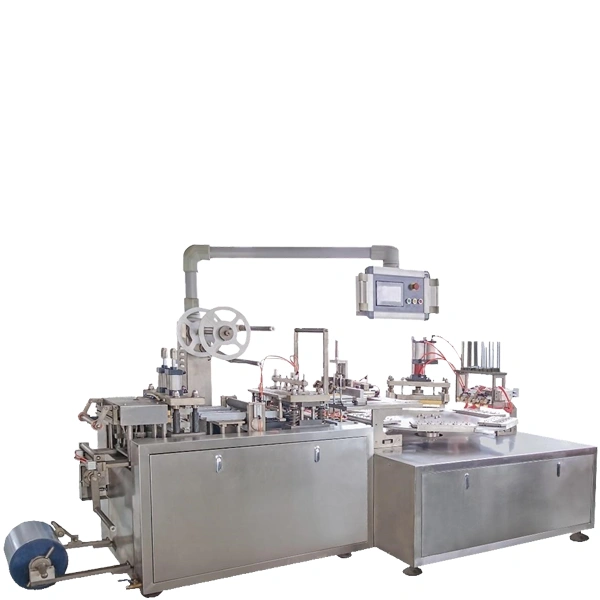
Products move through forming, filling and sealing stations on a rotating turret, with several processes happening simultaneously. Compact footprint for its output, and the standard choice for pharmaceutical and high-volume manufacturing.
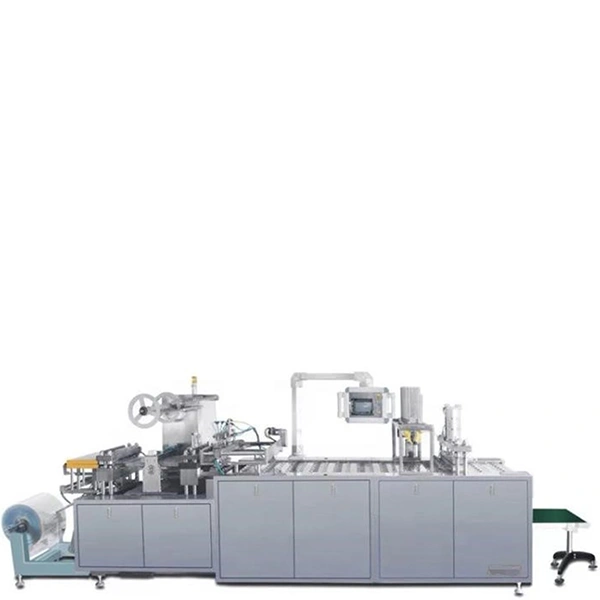
Products move through forming, feeding, sealing and cutting stations arranged in a straight line. Easier to operate and change over between products than a rotary machine, at a lower to medium production speed.
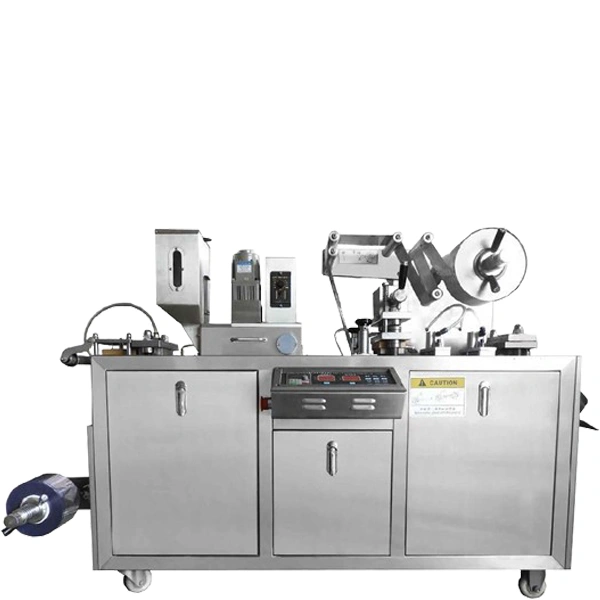
A specialised configuration with feeding systems built for capsules, tablets and soft gels, sealed with aluminium foil for maximum protection. Available as linear or rotary.
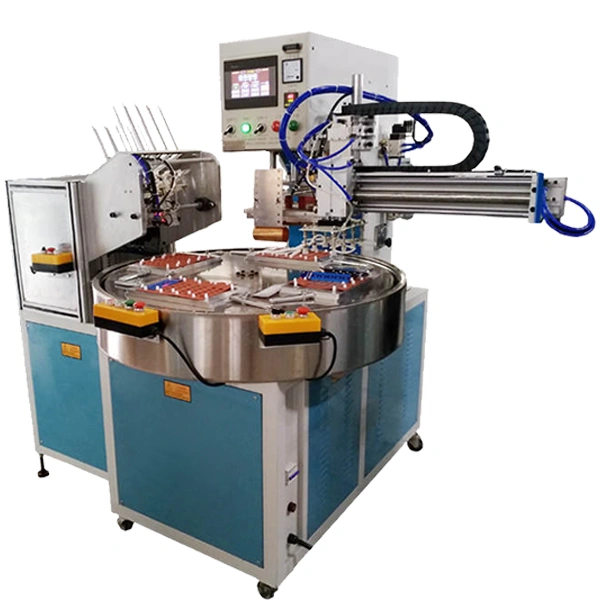
Any of the three layouts can run fully automatic or semi-automatic. Automation level decides production volume and how much of the cycle the operator handles.
Applications
Packaging format is matched to the product and the level of protection or visibility it needs. These are the three sectors we supply into most.
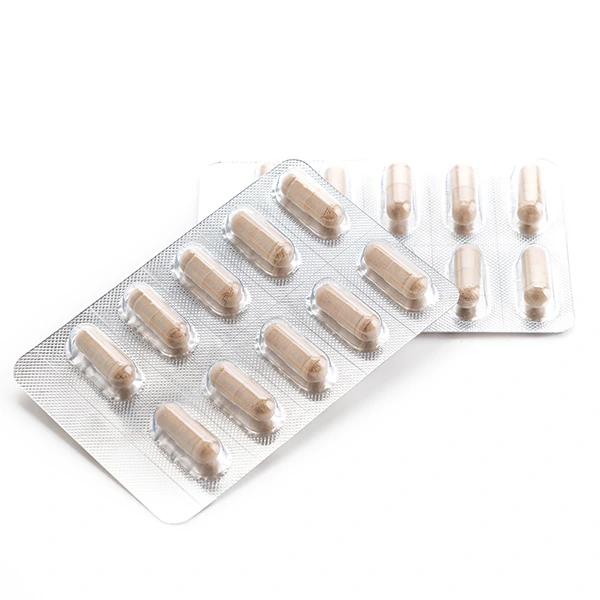
Tablets, capsules, unit-dose medication, medical devices and diagnostic kits, where blister packaging remains the largest application for the technology.
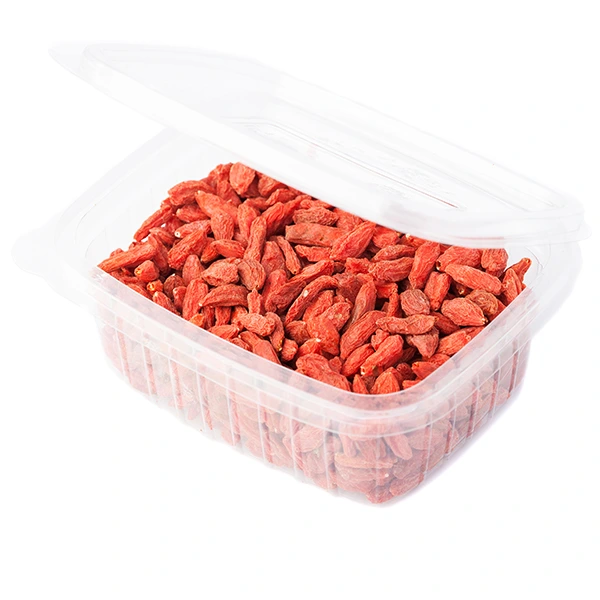
Batteries, electronics accessories, hardware items, stationery, toys and personal care accessories, where clamshell packaging deters theft and improves shelf presentation.
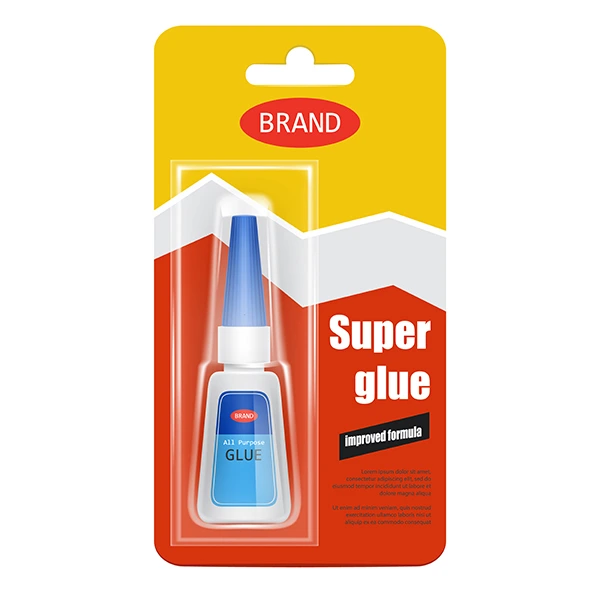
Chewing gum, mints, confectionery portions, nutritional supplements and single-serve food portions, individually protected and displayed.
Small electronics, cables, accessories and hardware components, where clear packaging shows the product while protecting it through retail handling.
Applications

Pharmaceutical. Protection and traceability:
Retail. Theft deterrence and shelf appeal:
Edible and confectionery. Individual portion protection:
The guides below cover the buying and running questions we are asked about most for blister and clamshell packaging.
Choosing: how to choose a blister machine · blister vs clamshell packaging · how blister packaging machines work
Cost and care: blister packaging machine cost · maintenance guide
By industry: pharmaceutical blister packaging · clamshell for retail and hardware
Specifications
A blister and clamshell machine is specified by forming area and output first, packaging format second. Two models cover the range, both with a 250 × 200 mm forming area.
Sizing the machine. Both models share the same forming area; the SAP-DPF260 runs higher power for ALU/ALU sealing (a fully foil-backed pack), while the SAP-DPH260 is optimised for ALU/PVC at a faster punch frequency.
ALU/ALU gives maximum barrier protection for moisture and light-sensitive products; ALU/PVC is the standard, cost-effective combination for most pharmaceutical and retail blisters.
Punch frequency runs 60–130 blister sheets/min depending on model and material. Real output is confirmed on a trial with your product and packaging material.
| Model | SAP-DPF260 | SAP-DPH260 |
|---|---|---|
| Power supply | 380V 50Hz 28kW | 380V 50Hz 20kW |
| Heat sealing power (kW) | 4.5 ×2 | 4.5 ×2 |
| Max forming area (mm) | 250 ×200 | 250 ×200 |
| Max forming depth (mm) | ALU/PVC 12, ALU/ALU 10 | ALU/PVC 12 |
| Punch frequency | ALU/PVC: 60–100/min ALU/ALU: 80/min | ALU/PVC: 60–130/min |
| Packaging material (mm) | Medicinal PVC 260×0.25 (0.15–0.5) PTP 260×0.02 | Medicinal PVC 260×0.25 (0.15–0.5) PTP 260×0.02 |
| Cooling water (m³/h) | 0.8 | 0.8 |
| Air pressure (MPa) | 0.6–0.8 | 0.6–0.8 |
| Dimensions (mm) | 5000×1300×2000 | 3500×1200×2000 |
| Weight (kg) | 2600 | 2100 |
Both models use tap water or recycling water for cooling. CE certificates are available on request.
| Parameter | Specification |
|---|---|
| Forming materials | ALU/PVC or ALU/ALU |
| Sealing | Heat and pressure bonding to a backing card, foil or film |
| Layout | Linear, rotary or capsule-specific |
| Automation | Semi-automatic or fully automatic |
| Controls | PLC control systems for precise operation and monitoring |
| Utilities | 380 V three-phase; compressed air 0.6–0.8 MPa; cooling water 0.8 m³/h |
| Options | Automatic card feeding, robotic arms, vibrating feeders, batch coding |
Not sure whether blister, clamshell or capsule blister suits your product? See the comparisons below, then send us your product for a trial.
About our modelModel codes shown are machines we have built or configured for previous projects. Your machine is specified and built to suit your product, output and pack format — not supplied off the shelf.
About the machine
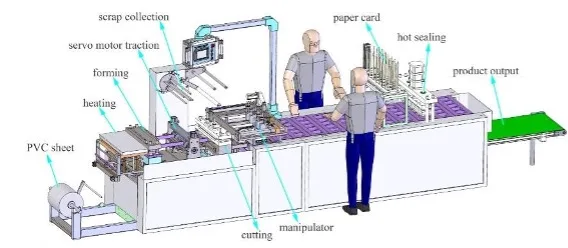
A blister and clamshell machine heats a plastic sheet and forms it into cavities using vacuum or pressure forming, loads the product into each cavity, then seals it — either to a flat backing card or foil (blister), or to a second hinged plastic half (clamshell).
Forming temperature, cavity depth and seal settings are set per product and held in the machine controls, so a changeover is a settings adjustment.
Upstream product arrives from filling or counting; downstream the sealed pack feeds cartoning or case packing.
For the finished pack, our cartoning machine page covers case-ready packaging.
Cup filling suits any product that benefits from portion-controlled, sealed dispensing — powders, liquids and granules alike.
Typical products are yoghurt and dairy beverages, instant coffee and milk powder, sauces and condiments, and snack or confectionery portions.
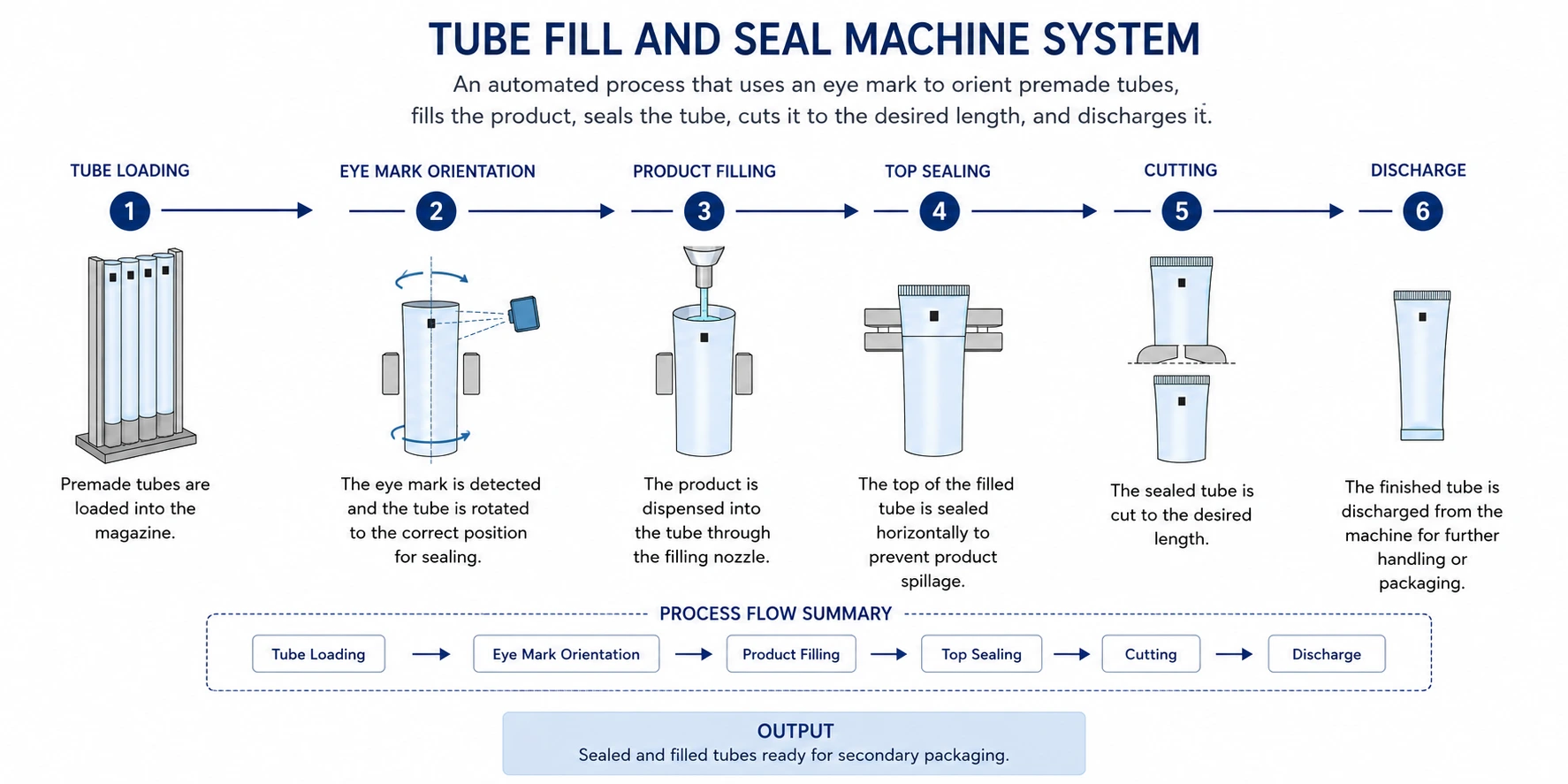
For the primary pack before cartoning, see our bottle filler-capper-labeller and tube fill and seal pages.
Comparison
Both form, fill and seal accurately; the difference is production capacity and how much of the cycle the operator handles.
| Automatic | Semi-automatic | |
|---|---|---|
| | |
| Operation | Fully automated feeding to sealing | Operator-assisted loading or positioning |
| Speed | High, continuous | Medium to low |
| Investment | Higher | More affordable entry point |
| Changeovers | Line settings change | Faster, easier adjustments |
| Best for | Large-scale, continuous production | Growing businesses, short production runs |
Choose automatic for continuous, high-volume manufacturing with lower long-term labour cost; choose semi-automatic for a lower upfront cost and flexible short runs.
All three provide product visibility and protection but differ in construction, sealing method and typical use.
| Blister | Clamshell | Capsule blister | |
|---|---|---|---|
| | | |
| Construction | Thermoformed cavity sealed to a backing card or foil | Hinged plastic fully enclosing the product | Individual cavities, foil-backed |
| Best for | Batteries, hardware, electronics, cosmetics | Tools, electronics, toys, food products | Capsules, tablets, soft gels |
| Protection | Tamper-evident | Superior physical protection, reusable/resealable | Moisture, light and tamper protection |
Choose blister for retail-ready visibility on a wide range of products, clamshell when physical protection and reusability matter more, and capsule blister for pharmaceutical dosage packs.
| Linear | Rotary | Capsule | |
|---|---|---|---|
| | | |
| Movement | Straight-line sequence | Rotating turret or indexing table | Linear or rotary configuration |
| Speed | Lower to medium | Higher, continuous | |
| Best for | Small to medium volumes, multiple product types | High-volume pharmaceutical and consumer goods | Pharmaceutical and nutraceutical accuracy |
Choose linear for flexibility across product types, rotary for maximum throughput, and a capsule-specific machine when pharmaceutical accuracy and traceability are the priority.
Guides
No case studies exist for this machine yet — here are the guides we send to anyone choosing a blister or clamshell configuration.
“Highly recommended! Excellent customer service, great prices, and they always go above and beyond.”
Ratings and reviews are published on our Google Business Profile, where they can be read in full and in context.
PackMan purchased an Automatic 6-Lane, 4-Side Seal Vinegar Packaging Machine, and it has been performing reliably since installation. The machine delivers consistent packaging quality, operates efficiently, and has met our production expectations.

SA Packaging Machinery delivered a solution that has met our expectations. The equipment has been reliable in daily production, and we’re pleased with its performance. We found the team knowledgeable, professional, and willing to assist whenever required.

We’ve been very happy with the equipment supplied by SA Packaging Machinery. It’s straightforward to use, performs consistently, and has helped us improve our production process. The team was easy to work with and made the entire experience smooth.

Why us
Blister and clamshell packaging protects a product and sells it at the same time, giving tamper-evident security and full visibility in one pack, which is why pharmaceutical and retail brands default to it. Because layout, format and automation level are chosen independently, the same underlying machine design scales from a start-up’s first semi-automatic unit to a rotary line running continuously.
For the finished pack, our cartoning machine page covers case-ready packaging.
Quotation
A blister and clamshell machine is quoted to your product and packaging format, so the quotation is built from a trial run rather than a list price. Send us your product and we will confirm the right configuration and quote it.
Why us
Every blister and clamshell machine we supply is installed and commissioned on your floor, with operator training, a spare-parts holding in Johannesburg and technical support once you are running.
Installation and commissioning.
We position the machine, connect the electrical and compressed air supply, set forming temperature, cavity depth and seal settings against your own product, and hand over once packs are forming and sealing consistently.
Operator training.
Your operators are trained on mould changeovers, forming and seal temperature settings, PLC operation, and the wear items worth keeping on the shelf.
Service, spares and support.
Forming moulds, sealing dies and heating elements are held in Johannesburg, with service across South Africa and into neighbouring SADC markets. Routine care is set out in our blister machine maintenance guide.
Choosing the right blister or clamshell configuration comes down to five things:
You might also like
SA Packaging Machinery supplies blister and clamshell packaging machines across South Africa and Southern Africa. Send us your product and we will confirm the right configuration and quote it.
Questions
A machine that heats and forms plastic film into cavities, loads the product, and seals it with a backing card, foil or a second plastic half — producing tamper-evident, high-visibility packaging.
Tablets, capsules and medical devices; batteries, electronics, hardware and toys; and chewing gum, confectionery and single-serve food portions, across pharmaceutical, retail and food industries.
Blister packaging seals a formed cavity to a flat backing; clamshell packaging uses a hinged design that fully encloses the product without a separate backing card. Our full comparison covers the decision.
Linear suits small to medium volumes and multiple product types; rotary suits high-volume pharmaceutical and consumer goods production with a compact footprint.
Punch frequency runs 60 to 130 blister sheets per minute depending on model and material. Real output is confirmed on a trial with your product and packaging material.
Choose automatic for continuous, high-volume production; choose semi-automatic for lower volumes or a lower entry cost. Our buying guide covers the decision in full.
Yes. Automatic card feeding, robotic loading arms, vibrating feeders, batch coding and line integration with cartoning can all be added to suit your application.
Routine care: clean forming moulds and sealing dies, inspect heating elements, check cooling water flow, and calibrate forming temperature. Full schedule in our maintenance guide.