Machine Overview
| Machine type | L-bar sealer with electric shrink tunnel |
| Products | Boxed and retail products, cosmetics, stationery, food cartons, multipacks |
| Output | 0–25 packs/min depending on product size and operator handling |
| Max sealing length | 500 mm (SAP-450) or 600 mm (SAP-550) |
| Max product size | 330 × 125 mm (SAP-450) or 430 × 125 mm (SAP-550) |
| Film | POF centre-fold on the sealer; the tunnel runs POF or PVC |
| Automation | Manual, semi-automatic or automatic; sealer alone or with tunnel |
| Utilities | 220 V sealer, 380 V tunnel, compressed air 0.5–0.8 MPa |
Configurations
An L-bar sealer folds centre-fold POF film over the product, seals and trims two sides in one stroke of a heated L-shaped bar, and the pack then passes through a shrink tunnel where hot air pulls the film tight. What you choose comes down to how much of that cycle the operator does and whether the tunnel is separate or built in. Because this page covers one machine in the range, start at shrink wrap machines if you are still deciding between L-bar, side sealer and sleeve sealer.

01
The operator places the product in the film, lowers the sealing arm and moves the pack to the tunnel. The lowest-cost entry into shrink wrapping and the right choice for short runs, mixed product sizes and contract packing.
02
The operator loads the product; the machine closes the arm, seals, trims and releases on a timed cycle. The common choice for steady retail packing, holding a consistent seal without relying on operator technique.

03
The sealer feeds directly into an electric shrink tunnel on rollers, where silica-tube heaters and two fans shrink the film evenly. This is the configuration most customers buy, because seal and shrink then run as one continuous stage.
04
Infeed conveyor, automatic film feed, sealing and tunnel run as one line with the operator only loading product at the front. Chosen where shrink wrapping is a fixed stage in a production line rather than a packing-bench task.
Pack types
An L-bar sealer produces a fully enclosed four-side-seal pack, so it suits products with a defined shape that fit within the sealing frame. These are the four jobs it does most.
Tea, coffee, chocolate and biscuit cartons, frozen pizza boxes and meal-kit boxes, where the film adds tamper evidence and keeps the carton clean and square on the shelf.
Cosmetics, soaps, candles, stationery, books, toys and small consumer goods sealed individually in clear POF for a clean, glossy finish that shows the product.
Two-for-one promotions, gift sets, seasonal bundles and grouped household items held together as one sellable unit without a carton or a label.

Tools, fittings, components and spare-part sets sealed for protection in transit and on the shelf, where the pack must survive handling rather than look premium.
Applications
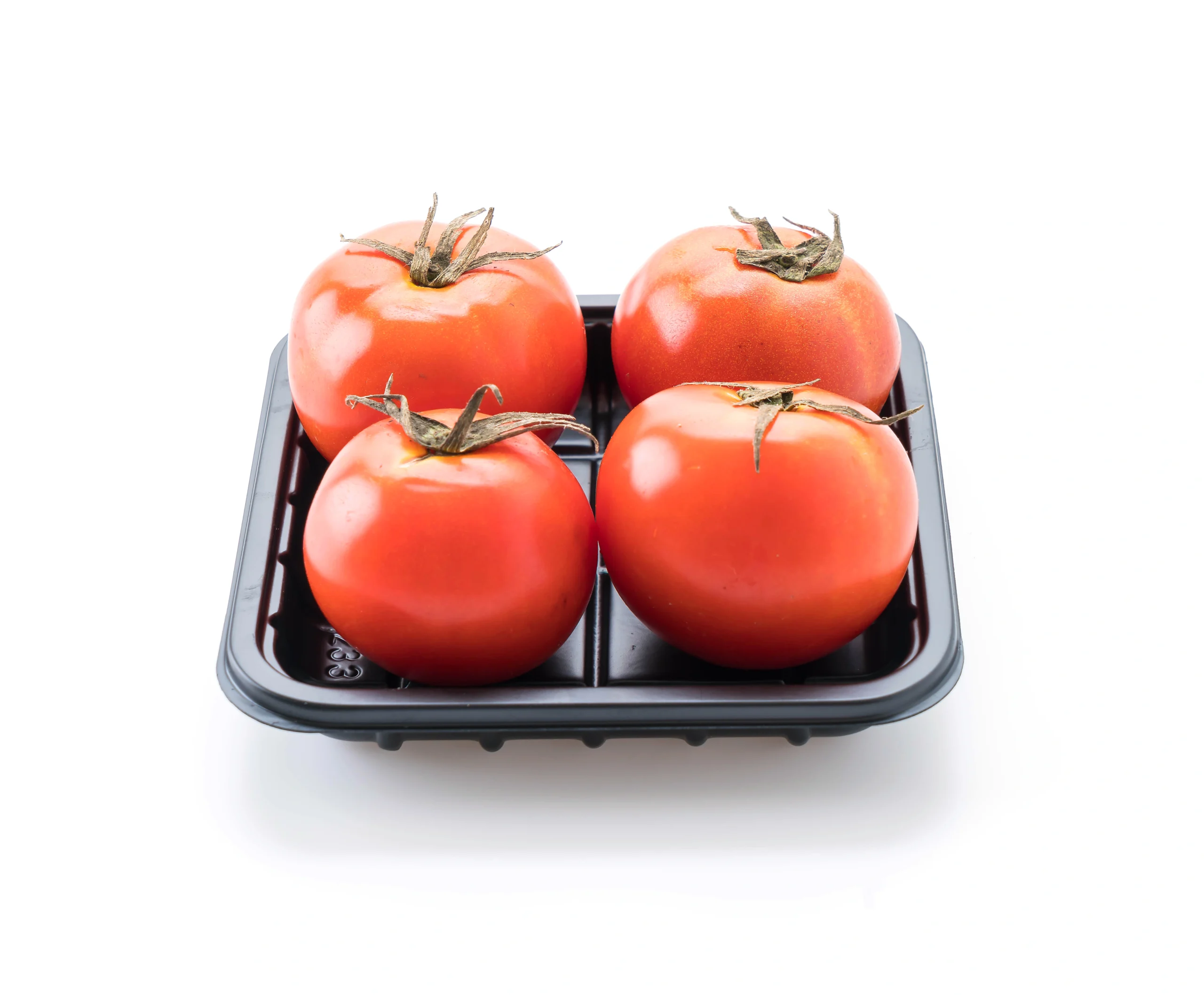
Food and beverage. Retail packs and cartons that need hygiene and shelf life:
Retail and commercial. Products where presentation sells:
Household and industrial. Bundling and protection:
The guides below cover the applications and buying questions we are asked about most for L-bar shrink wrap machines.
Choosing: L-bar vs side sealer · L-bar vs sleeve sealer · how shrink wrap machines work
By product: cans and jars · food packaging · food-grade shrink wrap · cosmetics · electronics · industrial components
By pack: household multipacks · cleaning products · retail promotional packs · beverage multipacks · pallet and transport loads
Specifications
An L-bar sealer is specified by the size of the pack it has to close, not by output. The sealing frame sets three limits at once — sealing length, product width and the combined width-plus-height of the pack — and the shrink tunnel chamber has to clear the same pack. Two sizes cover most South African retail work; larger frames are available on request.
Sizing the machine. Measure the largest pack you intend to run, including any bundle, and check it against both the sealing frame and the tunnel chamber. Width plus height must fall inside the frame limit, and length plus height inside the second limit — a tall pack eats into the length you have available.
Both sizes run centre-fold POF film on the sealer, and the tunnel handles POF or PVC. Sealing is done by a heated blade that seals and trims in one stroke, so there is no separate trimming station and no tooling to change between product sizes.
Output depends far more on how quickly product is presented to the machine than on the machine itself. The sealer runs up to 25 packs per minute; a manual bench operation realistically holds well below that, while an automatic infeed sustains it. Confirm real speeds on a trial with your product.
| SAP-450 with SAP-4020POF tunnel | L-bar sealer | Electric shrink tunnel |
|---|---|---|
| Machine model | SAP-450 | SAP-4020POF |
| Max product height | 125 mm | Shrink area height 200 mm |
| Max sealing length | 500 mm | Shrink area length 1200 mm |
| Max product width | 330 mm | Shrink area width 400 mm |
| Size limits | Width + height ≤400 mm Length + height ≤500 mm | Machine length 1700 mm |
| Speed | 0–25 packs/min | 0–10 m/min, 2 fans |
| Power supply | 1.35 kW, 220 V | 12 kW, 380 V |
| Air pressure | 0.5–0.8 MPa | — |
| Heating | Heated L-shaped sealing blade | Heating silica tube |
| Film | POF | POF or PVC |
| Conveying | Belt width 330 mm, up to 20 kg | Rollers, up to 10 kg |
| Machine weight | 350 kg | 180 kg |
| Machine dimensions | 1700 × 1000 × 1500 mm | 1700 × 800 × 1300 mm |
| SAP-550 with SAP-5530POF tunnel | L-bar sealer | Electric shrink tunnel |
|---|---|---|
| Machine model | SAP-550 | SAP-5530POF |
| Max product height | 125 mm | Shrink area height 300 mm |
| Max sealing length | 600 mm | Shrink area length 1500 mm |
| Max product width | 430 mm | Shrink area width 550 mm |
| Size limits | Width + height ≤500 mm Length + height ≤600 mm | Machine length 2100 mm |
| Speed | 0–25 packs/min | 0–10 m/min, 2 fans |
| Power supply | 1.5 kW, 220 V | 19.2 kW, 380 V |
| Air pressure | 0.5–0.8 MPa | — |
| Heating | Heated L-shaped sealing blade | Heating silica tube |
| Film | POF | POF or PVC |
| Conveying | Belt width 430 mm, up to 20 kg | Rollers, up to 20 kg |
| Machine weight | 350 kg | 250 kg |
| Machine dimensions | 1800 × 1100 × 1500 mm | 2100 × 800 × 1400 mm |
Dimensions are machine maximums; the largest pack you can actually run is set by whichever of the three frame limits it reaches first. CE and other industry certifications are available on request.
| Parameter | Specification |
|---|---|
| Pack types | Single retail products, boxed products, multipacks, bundles, industrial components |
| Seal | Four-side seal, sealed and trimmed in one stroke |
| Film | Centre-fold POF on the sealer; POF or PVC through the tunnel |
| Automation | Manual, semi-automatic or automatic; sealer alone or sealer with tunnel |
| Tunnel | Electric, silica-tube heating, two fans, roller conveying, adjustable heat and speed |
| Controls | Adjustable seal time, temperature and belt speed |
| Utilities | 220 V single-phase sealer; 380 V three-phase tunnel; compressed air 0.5–0.8 MPa |
| Integration | Infeed and outfeed conveyors; feeds cartoning, labelling or palletising |
Not sure whether an L-bar sealer or a side sealer suits your product? Read L-bar vs side sealer, then send us your product and pack size for a trial.
About our modelModel codes shown are machines we have built or configured for previous projects. Your machine is specified and built to suit your product, output and pack format — not supplied off the shelf.
About the machine
An L-bar sealer wraps a product in centre-fold POF film and closes it with a single heated L-shaped blade that seals and trims two sides at once, producing a fully enclosed four-side-seal pack. The pack then travels through a shrink tunnel, where hot air from silica-tube heaters pulls the film tight to the product. For the wider category and the other machines in it, see shrink wrap machines.
Seal time, tunnel temperature and belt speed are set once per product and held in the machine settings, so an operator changing between sizes adjusts the frame rather than the tooling.
Downstream the pack feeds a labelling machine, cartoner or palletising stage, or goes straight to a shipper.
Read the full explanation in how shrink wrap machines work.
L-bar sealers wrap products with a defined shape that fit inside the sealing frame: the film does the work, so there is no product contact beyond the conveyor.
Typical products are boxed tea, coffee, chocolate and biscuits, frozen pizza, cosmetics, soaps, candles, stationery, books, toys, tools and fittings, and promotional multipacks.
Where the product is long, irregular or runs continuously, a side bar sealer handles it better; for bundling bottles and cans in LDPE, use a sleeve sealer.
Case Studies
A fresh-produce line running the SAP-550 and a hardware packer running the SAP-450, plus the comparison we send to anyone weighing an L-bar against a side sealer.
“Highly recommended! Excellent customer service, great prices, and they always go above and beyond.”
Ratings and reviews are published on our Google Business Profile, where they can be read in full and in context.
PackMan purchased an Automatic 6-Lane, 4-Side Seal Vinegar Packaging Machine, and it has been performing reliably since installation. The machine delivers consistent packaging quality, operates efficiently, and has met our production expectations.

SA Packaging Machinery delivered a solution that has met our expectations. The equipment has been reliable in daily production, and we’re pleased with its performance. We found the team knowledgeable, professional, and willing to assist whenever required.
We’ve been very happy with the equipment supplied by SA Packaging Machinery. It’s straightforward to use, performs consistently, and has helped us improve our production process. The team was easy to work with and made the entire experience smooth.
Comparison
Both machines seal a product inside shrink film and both use POF, but they close the pack differently. An L-bar seals and trims two sides in one stroke, which caps the pack length at the size of the frame. A side sealer seals continuously along one edge as the product moves through, so length is unlimited. That single difference decides which of the two suits your product.
| L-bar sealer | Side bar sealer | |
|---|---|---|
| | |
| Pack size | Small to medium, within the frame | Medium to large |
| Product length | Limited by sealing length (500–600 mm) | Unlimited — continuous side seal |
| Film | Centre-fold POF | Centre-fold POF or LDPE |
| Seal | Four-side seal, fully enclosed | Four-side seal, continuous edge |
| Speed | 0–25 packs/min | Higher, continuous flow |
| Typical use | Boxes, cosmetics, books, retail units | Long or irregular products, industrial components |
| Best when | Sizes are consistent and presentation matters | Products vary in length or run continuously |
Choose the L-bar when packs are a consistent size and the finish is on display; choose the side sealer when length varies or throughput matters more than footprint. Our L-bar vs side sealer comparison goes further.
The other machine L-bar sealers get compared with does a different job. A sleeve sealer bundles a group of products in LDPE with open ends; an L-bar encloses one product or pack completely.
| L-bar sealer | Sleeve sealer | |
|---|---|---|
| | |
| Job | Seals one product or pack fully | Bundles a group as one batch |
| Film | Centre-fold POF | LDPE from top and bottom rolls |
| Seal | Four-side seal, fully enclosed | Two-side seal, open ends |
| Typical use | Boxes, cosmetics, retail units | Bottles, cans, cartons, bulk bundles |
| Presentation | Clear, glossy, retail-facing | Strong bundling for transport |
An L-bar sealer runs centre-fold POF; the tunnel will also shrink PVC. LDPE belongs on sleeve sealers and bundling lines. The difference is worth knowing because film choice, not the machine, decides how the finished pack looks.
| POF (polyolefin) | LDPE (polyethylene) | |
|---|---|---|
 |  | |
| Clarity | High clarity, glossy finish | Good clarity, slightly milky |
| Strength | High puncture resistance | Very tough, heavy-duty bundling |
| Flexibility | Flexible with a soft finish | Less flexible, more robust |
| Shrink | Smooth, even, tight to the product | Strong shrink force, suits bundles |
| Odour on sealing | Low odour, clean processing | Minimal, depends on grade |
| Recyclable | Yes | Yes |
| Finish quality | Premium, retail-ready appearance | Functional, transport-focused |
| Best applications | Retail display packs, pharmaceuticals, cosmetics, boxed goods | Curtain rails, door packaging, bundles and transport loads |
| Used on | L-bar and side sealers | Sleeve sealers and bundling lines |
Advantages
An L-bar sealer is the most economical way to put a product into a clear, fully sealed, tamper-evident pack. It needs no tooling change between sizes, so one machine covers a whole product range; it seals and trims in one stroke, so there is no separate trimming stage; and because centre-fold POF shrinks tight and glossy, the pack shows the product rather than hiding it. For a small producer it is usually the first packaging machine worth automating, and it fits on a bench beside an existing line rather than requiring one to be built around it.
Machines used for food are supplied with food-grade contact parts and can be specified for hygiene-controlled areas. Where the product is longer than the frame allows, or must run continuously, the side bar sealer is the machine to look at instead.
Quotation
An L-bar sealer is quoted to the pack you need to wrap, so the quotation is built from your product dimensions and target output rather than from a list price. To narrow the specification before you enquire, read L-bar vs side sealer and how shrink wrap machines work; for what shapes the figure on any machine quotation, see the packaging machine cost guide. Send us your product and we will wrap it on a trial machine and quote the configuration that suits it.
Why us
Every L-bar sealer we supply is delivered set up for your product, with operator training, a spare-parts holding in Johannesburg and technical support once you are running.
Installation and commissioning.
We position the sealer and tunnel, connect the 220 V and 380 V supplies and compressed air, set seal time, tunnel temperature and belt speed against your own product and film, and hand over once the pack is shrinking clean and tight.
Operator training.
Your operators are trained on film loading and centring, adjusting the frame between product sizes, seal temperature and dwell, tunnel settings, daily cleaning of the blade, and the wear items worth keeping on the shelf.
Service, spares and support.
Sealing blades, Teflon tape, seal wire, belts and tunnel heating elements are held in Johannesburg, with service across South Africa and into neighbouring SADC markets. Routine care is set out in our packaging machine maintenance guide.
Choosing the right L-bar configuration comes down to five things:
You might also like
SA Packaging Machinery supplies L-bar sealers and shrink tunnels across South Africa and Southern Africa. Send us your product and pack size and we will wrap it on a trial machine, recommend the configuration, and quote it.
Questions
An L-bar sealer wraps the product in centre-fold POF film and closes it with a heated L-shaped blade that seals and trims two sides in one stroke, giving a fully enclosed four-side-seal pack. The pack then passes through a shrink tunnel, where hot air shrinks the film tight to the product.
Anything with a defined shape that fits inside the sealing frame: boxed tea, coffee, chocolate and biscuits, frozen pizza and meal-kit boxes, cosmetics, soaps and candles, stationery, books and printed sets, toys and electronics accessories, tools and fittings, and promotional multipacks. Loose or very soft products wrap poorly because the film has nothing to pull tight against.
Yes, in almost every case. The sealer closes the pack but the film only pulls tight to the product under heat, so without a tunnel the pack stays loose and baggy. Sealer and tunnel are normally supplied as a matched pair — SAP-450 with the SAP-4020POF tunnel, or SAP-550 with the SAP-5530POF.
Centre-fold POF on the sealer; the tunnel will also shrink PVC. POF gives high clarity, a glossy finish and low odour, which is why it is the standard for retail packs. LDPE is a bundling film and belongs on a sleeve sealer rather than an L-bar.
The sealer runs at up to 25 packs per minute. In practice the operator sets the pace: a manual bench operation runs well below that, a semi-automatic machine holds a steadier rate, and an automatic infeed sustains the top of the range. Real output is confirmed on a trial with your product.
Three limits apply at once. The SAP-450 seals up to 500 mm long and 330 mm wide, the SAP-550 up to 600 mm long and 430 mm wide, and both take products up to 125 mm high — but width plus height must also stay under 400 mm (SAP-450) or 500 mm (SAP-550). A tall pack therefore reduces the width you have available. Larger frames are available on request.
Choose the L-bar when packs are a consistent size within the frame and the finish is on display. Choose a side bar sealer when products vary in length, exceed the frame, or run continuously, since it seals along one edge with no length limit. Our full comparison covers the decision.
Routine care: clean the sealing blade and replace the Teflon tape as it wears, check the seal wire, keep the film path and trim offcut clear, inspect belts and the tunnel heating elements, and keep the conveyor free of film debris. The general schedule is in our packaging machine maintenance guide.