
Packaging machinery is one of the most valuable investments a manufacturer can make. Whether you’re packaging food, beverages, pharmaceuticals, cosmetics, chemicals or consumer goods, your equipment plays a vital role in keeping production efficient, products consistent and customers satisfied. However, even the most advanced packaging machines require regular maintenance to continue performing at their best.
Effective packaging machine maintenance is about more than fixing equipment when it breaks. A proactive maintenance programme helps prevent unexpected downtime, reduces costly repairs, extends the lifespan of your machinery and ensures your production line continues operating at peak efficiency. It also helps maintain packaging quality, improve workplace safety and reduce unnecessary waste.
From vertical form fill seal (VFFS) machines and flow wrappers to bottle filling systems, shrink wrapping equipment and horizontal form fill seal (HFFS) machines, every type of packaging equipment has its own maintenance requirements. Understanding these requirements allows manufacturers to avoid expensive production interruptions while protecting their investment.
In this guide, we’ll explain why preventative maintenance is essential, provide a practical maintenance checklist, highlight common maintenance tasks and show you where to find machine-specific servicing advice for different types of packaging equipment.
Packaging equipment operates in demanding production environments, often running for many hours each day. Over time, moving parts wear down, sensors become dirty, belts lose tension and components naturally deteriorate. Without regular inspections and servicing, these small issues can quickly develop into major equipment failures.
Routine maintenance helps identify potential problems before they cause production delays. Instead of reacting to unexpected breakdowns, manufacturers can schedule maintenance during planned downtime, reducing disruption and avoiding emergency repair costs.
Some of the biggest reasons to maintain your packaging machinery include:
Unexpected machine failures can halt production without warning. Every minute of downtime may result in lost productivity, missed delivery deadlines and dissatisfied customers. Preventative maintenance significantly reduces the likelihood of unexpected stoppages by identifying worn or damaged components before they fail.
Packaging quality depends on properly functioning equipment. Poorly maintained machines can produce inconsistent seals, incorrect fill volumes, damaged packaging or misaligned labels. Regular servicing helps maintain consistent packaging quality and reduces product waste.
Replacing a worn bearing during a scheduled maintenance visit is far less expensive than replacing an entire drive system after a catastrophic failure. Preventative maintenance helps minimise repair costs by addressing minor issues early.
Industrial packaging machinery represents a significant capital investment. Proper cleaning, lubrication and scheduled servicing reduce wear on critical components, allowing machines to remain productive for many years.
Faulty equipment can create safety hazards for operators. Regular maintenance ensures emergency stops, guards, sensors and safety systems continue functioning correctly, helping create a safer production environment.
Machines operating in optimal condition produce more consistent results at higher speeds. Preventative servicing helps maintain production efficiency while reducing waste and rework.
Many businesses only service equipment after it breaks down. This approach, known as reactive maintenance, often results in expensive repairs, lengthy downtime and reduced productivity.
Preventative maintenance takes a different approach. Instead of waiting for failures, maintenance activities are scheduled at regular intervals to keep equipment operating reliably.
| Preventative Maintenance | Reactive Maintenance |
|---|---|
| Planned servicing | Repairs after failure |
| Lower repair costs | Higher repair costs |
| Less production downtime | Unexpected stoppages |
| Longer equipment lifespan | Increased wear |
| Better product quality | Greater risk of defects |
| Improved safety | Increased operational risks |
For most manufacturers, preventative maintenance provides significantly better long-term value by reducing both direct repair costs and indirect production losses.
Implementing a structured maintenance programme offers benefits that extend beyond simply keeping machinery operational.
Regular servicing reduces wear on motors, bearings, conveyors, sealing systems and other critical components. Machines that receive consistent maintenance often remain productive for many years longer than neglected equipment.
Routine inspections allow maintenance teams to identify worn parts before they fail unexpectedly. Planned servicing can be scheduled outside of production hours, minimising disruption.
Clean sensors, properly adjusted sealing systems and calibrated filling equipment produce more accurate, consistent packaging. This reduces rejected products and improves customer satisfaction.
Preventative maintenance helps avoid costly emergency repairs and major component replacements. Small adjustments and routine servicing are generally far more affordable than repairing equipment after a breakdown.
Well-maintained machinery operates more smoothly, allowing production lines to achieve consistent speeds with fewer interruptions. This improves overall equipment effectiveness (OEE) and maximises output.
Routine inspections ensure emergency stop buttons, safety guards, electrical systems and moving components remain in safe working condition. A safer production environment helps reduce workplace accidents and equipment-related hazards.
Packaging machinery represents a substantial investment. Protecting that investment through preventative maintenance helps maximise its operational life and improves long-term profitability.
Although each packaging machine has unique servicing requirements, most preventative maintenance programmes include a combination of daily, weekly, monthly and annual tasks.
The following checklist provides a general overview of recommended maintenance activities.
| Frequency | Recommended Maintenance Tasks |
|---|---|
| Daily | Clean the machine, remove product residue, inspect sensors, check safety guards, monitor unusual noises, inspect sealing areas, perform visual inspections. |
| Weekly | Lubricate moving parts, inspect belts and chains, check conveyor alignment, inspect pneumatic systems, tighten loose fasteners, clean air filters. |
| Monthly | Inspect motors, check electrical connections, calibrate sensors, inspect bearings, examine sealing components, replace worn consumables where necessary. |
| Quarterly | Inspect drive systems, test emergency stop functions, replace wear parts, inspect heating elements, check pneumatic valves and pressure systems. |
| Annually | Complete professional servicing, comprehensive machine inspection, software updates (where applicable), electrical testing, major component replacement and performance optimisation. |
While this checklist provides a useful starting point, manufacturers should always follow the maintenance recommendations provided by the equipment manufacturer. Different machine types, production environments and operating hours may require more frequent inspections or specialised servicing.
One of the most effective ways to reduce equipment failures is to create a documented maintenance schedule. Rather than relying on reactive repairs, a planned schedule ensures that inspections, cleaning and servicing are completed consistently.
A successful maintenance schedule should include:
Recording maintenance activities also makes it easier to identify patterns, predict future servicing requirements and improve long-term equipment reliability.
Keeping accurate maintenance records is often overlooked, but it plays a key role in improving equipment performance. Maintenance logs help track when components were replaced, identify recurring faults and ensure servicing is completed on schedule.
Good maintenance records should include:
Over time, these records provide valuable insights that help maintenance teams identify recurring issues, optimise servicing intervals and reduce unexpected downtime.
Daily maintenance is the foundation of an effective preventative maintenance programme. These routine inspections take only a short amount of time but can significantly reduce the risk of unexpected breakdowns and production delays.
Operators are often the first to notice changes in machine performance. By carrying out a thorough inspection at the beginning and end of each production shift, small issues can be identified and resolved before they become costly repairs.
Daily maintenance tasks should become part of your standard operating procedures (SOPs) and be documented using maintenance checklists.
Packaging machines are exposed to dust, product residue, packaging materials, adhesives and other contaminants throughout the production process. If left to accumulate, these materials can interfere with sensors, moving parts and sealing systems.
Daily cleaning should include:
For food and pharmaceutical applications, always follow the appropriate hygiene and sanitation procedures to meet industry regulations.
A quick visual inspection can reveal problems before they affect production.
Look for:
Even minor issues should be reported immediately to prevent further damage.
Safety should never be overlooked.
Operators should confirm that:
Never operate a machine with disabled or bypassed safety systems.
Machines that perform heat sealing should have their sealing systems inspected every day.
Check for:
Consistent seals are essential for maintaining product quality and preventing package failures.
Experienced operators often recognise equipment problems simply by listening to the machine.
Unusual sounds may indicate:
Any abnormal noises should be investigated before production continues.
Watch for signs such as:
Small performance changes often indicate developing mechanical or electrical issues.
Weekly maintenance goes beyond basic cleaning and inspection. It focuses on keeping mechanical systems operating smoothly and preventing premature wear.
Many of these tasks can be completed during planned production downtime.
Proper lubrication reduces friction and extends the life of moving components.
Typical lubrication points include:
Always use the lubricant recommended by the equipment manufacturer. Over-lubrication can be just as harmful as under-lubrication.
Belts transfer power throughout many packaging machines.
Check for:
Replace worn belts before they fail during production.
Conveyors should run smoothly without excessive vibration or misalignment.
Inspect:
Misaligned conveyors can cause product jams and reduce packaging quality.
Many packaging machines rely on compressed air.
Inspect:
Air leaks reduce efficiency and increase energy costs.
Blocked filters restrict airflow and reduce machine performance.
Weekly cleaning should include:
Replace filters when necessary.
Constant machine vibration can gradually loosen bolts and mounting hardware.
Inspect and tighten:
Never overtighten fasteners beyond manufacturer specifications.
Monthly inspections are more comprehensive and often involve maintenance personnel rather than machine operators.
These inspections help identify wear that may not be visible during routine daily checks.
Motors are critical components in packaging equipment.
Check for:
Clean accumulated dust around cooling vents to prevent overheating.
Loose electrical connections may cause intermittent faults or machine shutdowns.
Inspect:
Only qualified personnel should perform electrical maintenance.
Packaging machines rely on sensors for positioning, counting, detecting products and maintaining accurate operation.
Inspect and calibrate:
Dirty or poorly aligned sensors are among the most common causes of production interruptions.
Bearings should rotate smoothly without excessive play or noise.
Look for:
Replacing worn bearings before failure helps prevent damage to shafts and motors.
Heat sealing equipment should be inspected regularly for consistent performance.
Check:
Poor sealing quality often results from worn sealing components rather than temperature settings alone.
Every packaging machine contains components designed to wear over time.
Examples include:
Replacing these parts during scheduled maintenance helps prevent unexpected failures.
Cleaning is one of the simplest yet most effective maintenance tasks. Product build-up can interfere with sensors, increase wear and affect packaging quality.
A proper cleaning routine should include:
Avoid using excessive water on electrical components unless the machine is specifically designed for washdown environments.
Lubrication reduces friction, minimises wear and helps machines operate efficiently. However, incorrect lubrication practices can shorten equipment life.
To achieve the best results:
A consistent lubrication programme can significantly reduce bearing failures and mechanical wear.
Calibration ensures that packaging equipment continues to produce accurate and consistent results.
Components that may require regular calibration include:
Incorrect calibration can lead to:
Scheduling regular calibration helps maintain product consistency and supports quality assurance programmes.
Maintenance activities should always prioritise operator safety.
Before performing maintenance:
After maintenance is complete:
A strong safety culture protects employees while reducing the risk of equipment damage and workplace incidents.
Even with a preventative maintenance programme in place, packaging machines may occasionally experience operational issues due to wear, environmental conditions or incorrect machine settings. The key is identifying the root cause quickly to minimise downtime and maintain production efficiency.
The table below highlights some of the most common packaging machine problems, their likely causes and recommended solutions.
| Problem | Possible Cause | Recommended Solution |
|---|---|---|
| Poor sealing | Incorrect temperature, worn sealing jaws, damaged PTFE tape | Recalibrate temperature settings and replace worn sealing components |
| Film tracking issues | Misaligned film roll, worn rollers, incorrect tension | Realign the film, adjust tension and inspect rollers |
| Product jams | Incorrect guide settings, damaged conveyors, worn belts | Adjust guides, inspect conveyors and replace worn parts |
| Machine stops unexpectedly | Dirty sensors, electrical faults, emergency stop activated | Clean sensors, inspect electrical systems and check safety circuits |
| Inconsistent filling | Calibration issues, worn pumps or valves | Recalibrate filling systems and inspect components |
| Conveyor slipping | Loose drive belts or worn rollers | Adjust belt tension or replace worn components |
| Excessive vibration | Loose fasteners, worn bearings or motor problems | Tighten hardware and inspect bearings and motors |
| Unusual noises | Lack of lubrication, worn gears or damaged bearings | Lubricate moving parts and replace damaged components |
| Wrinkled packaging film | Incorrect film tension or poor alignment | Adjust film tracking and tension settings |
| Frequent rejected packages | Sensor faults, incorrect machine settings or worn tooling | Inspect sensors, recalibrate the machine and replace worn tooling |
Most issues develop gradually rather than suddenly. By investigating small changes in machine performance early, businesses can avoid major production interruptions.
While all packaging equipment benefits from regular cleaning, inspections and lubrication, every machine has unique components that require specialised maintenance.
Below is an overview of the maintenance requirements for common packaging machine types. For detailed procedures, visit the dedicated maintenance guide for each machine.
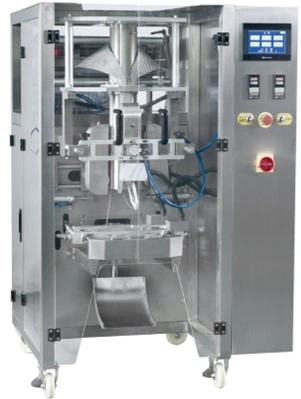
Vertical Form Fill Seal (VFFS) machines are widely used for packaging powders, granules, snacks, coffee, frozen foods, pet food and many other products. Because these machines perform forming, filling and sealing in one continuous process, several components require routine inspection.
Regular maintenance should include:
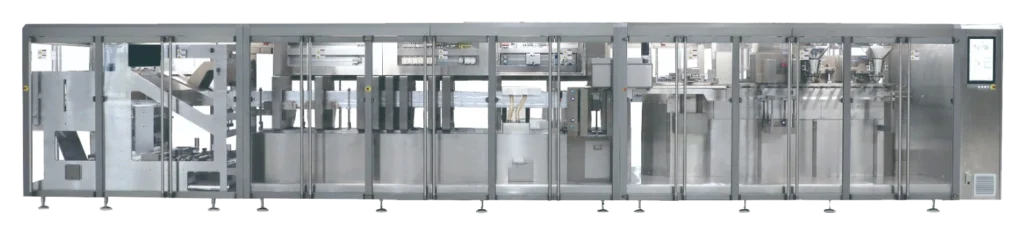
HFFS machines operate at high production speeds and rely on precise synchronisation between conveyors, film handling systems and sealing stations.
Routine maintenance includes:
Regular calibration helps maintain package consistency while reducing rejected products.
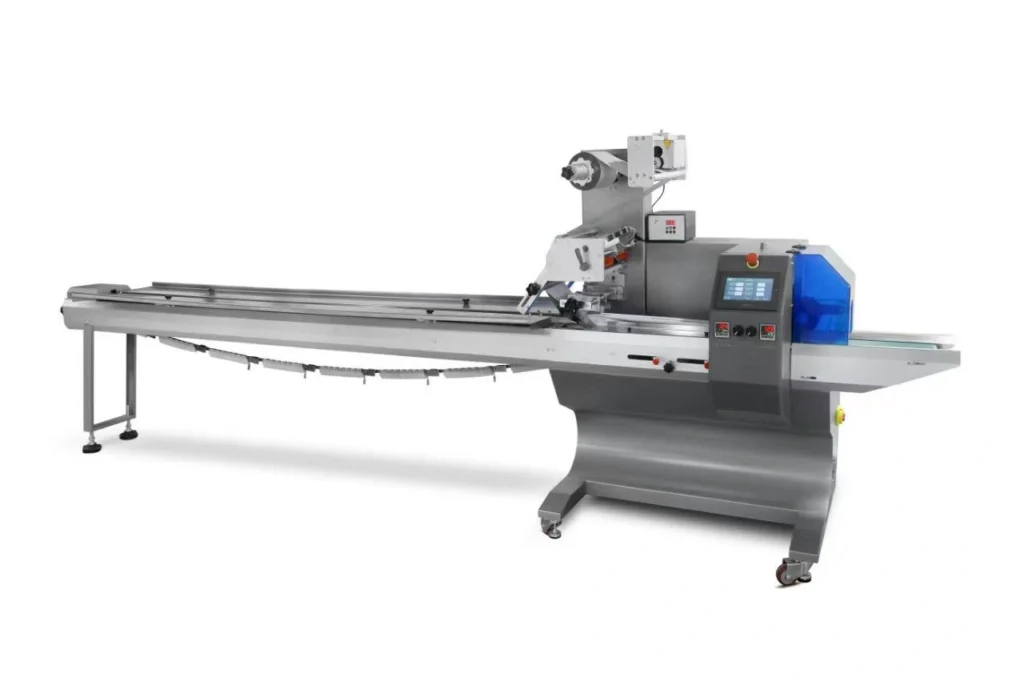
Flow wrappers package products continuously using flexible film and high-speed sealing systems. Film tracking accuracy is critical for maintaining package quality.
Routine maintenance should include:
Proper film alignment helps reduce waste while improving packaging consistency.
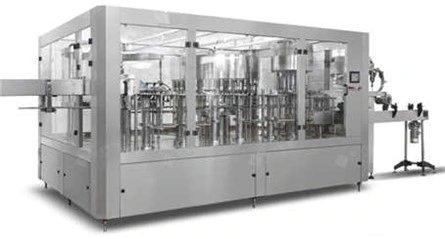
Bottle filling systems require accurate calibration and excellent hygiene, particularly in food, beverage and pharmaceutical production.
Maintenance tasks include:
Preventative servicing helps maintain accurate fill volumes while preventing contamination.
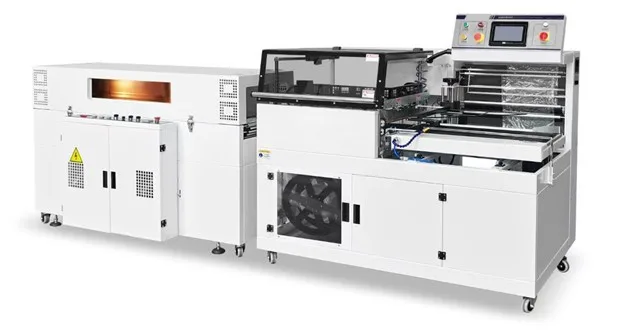
Shrink wrapping equipment combines sealing systems with heat tunnels to produce secure, professional packaging.
Maintenance should focus on:
Regular inspections improve package appearance while reducing film waste.
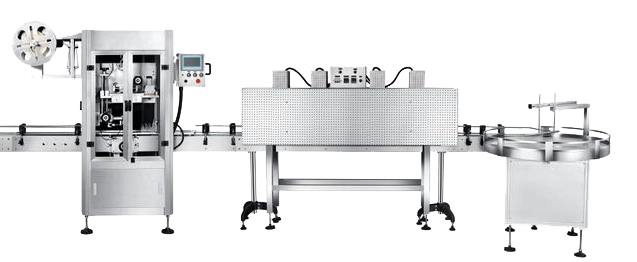
Sleeve labellers use film sleeves and heat tunnels to bundle products for transport or retail display.
Maintenance should include:
Routine maintenance improves reliability while maintaining high production speeds.
Blister packaging machines require precise temperature control, pressure and forming accuracy.
Maintenance should include:
Preventative maintenance ensures high-quality blister packs while reducing rejected products.
Many equipment failures provide early warning signs before a complete breakdown occurs. Recognising these symptoms allows maintenance teams to intervene before production is disrupted.
Common warning signs include:
Repeated interruptions often indicate worn components, sensor problems or electrical faults.
If seals become inconsistent, fill levels vary or packaging appears damaged, maintenance may be required.
Unusual vibration may result from worn bearings, loose components or drive system issues.
Grinding, squealing or knocking sounds should never be ignored, as they often indicate mechanical wear.
Electrical faults, overheated motors or damaged bearings may produce unusual odours that require immediate investigation.
Film that consistently drifts or wrinkles often indicates worn rollers, incorrect tension or alignment issues.
Higher reject rates may signal calibration issues, worn sealing components or failing sensors.
Machines that struggle to maintain normal operating speeds often require servicing.
Equipment operating inefficiently may consume more electricity due to increased friction, motor strain or pneumatic leaks.
If any of these warning signs are present, servicing should be scheduled as soon as possible to prevent further damage.
Successful maintenance programmes involve more than simply repairing equipment when problems occur. The following best practices help improve equipment reliability and maximise return on investment.
Operators interact with packaging equipment every day and are often the first to notice changes in performance.
Training should include:
Well-trained operators can identify potential problems before they develop into costly repairs.
Every packaging machine is designed with specific maintenance intervals and servicing requirements.
Always follow the manufacturer’s recommendations for:
Ignoring these guidelines may reduce equipment reliability and could affect warranty coverage.
Although lower-cost aftermarket components may seem attractive, genuine replacement parts are designed to meet the machine’s exact specifications.
Using quality components helps:
Waiting for replacement parts can significantly increase downtime.
Consider stocking commonly replaced items such as:
Maintaining an inventory of essential spare parts helps speed up repairs and minimise production delays.
Accurate maintenance records help identify recurring faults, monitor equipment performance and improve long-term planning.
Maintenance logs should record:
These records provide valuable information for future preventative maintenance planning.
While operators can perform routine inspections and cleaning, certain maintenance tasks require experienced technicians.
Professional servicing is recommended for:
Partnering with qualified packaging machinery specialists helps maximise machine reliability and minimise unexpected downtime.
Every manufacturer must decide how they will approach equipment maintenance. While it may seem more cost-effective to repair machines only when they fail, reactive maintenance often leads to higher costs, longer downtime and unnecessary production disruptions.
Preventative maintenance, on the other hand, focuses on scheduled inspections, servicing and replacement of wear parts before failures occur. This proactive approach keeps packaging equipment operating efficiently and helps avoid costly emergency repairs.
The comparison below highlights the key differences between these two maintenance strategies.
| Preventative Maintenance | Reactive Maintenance |
|---|---|
| Scheduled inspections and servicing | Repairs only after a breakdown |
| Reduces unexpected downtime | Causes production interruptions |
| Lower long-term maintenance costs | Higher emergency repair costs |
| Extends equipment lifespan | Accelerates equipment wear |
| Improves product quality | Greater risk of inconsistent packaging |
| Supports safer operations | Increased risk of equipment-related incidents |
| Allows planned maintenance during downtime | Repairs often occur during production hours |
| Improves overall equipment efficiency | Reduces production efficiency |
For most manufacturers, preventative maintenance delivers a far greater return on investment by reducing downtime, increasing productivity and extending the life of expensive packaging equipment.
While operators and in-house maintenance teams can perform routine inspections and basic servicing, certain problems require specialist knowledge and equipment.
You should contact a qualified packaging machinery technician if you experience:
Frequent electrical trips, damaged wiring, faulty control panels or power supply issues should always be diagnosed by a qualified technician.
Modern packaging machines rely on programmable logic controllers (PLCs), HMIs and servo systems. Software faults, communication errors or programming issues require specialist expertise.
Servo motors provide the precise movement required for many automated packaging machines. If positioning becomes inaccurate or motors fail, professional servicing is recommended.
Broken shafts, damaged gearboxes, worn drive systems or failed bearings often require specialist tools and replacement parts.
If problems continue after cleaning, calibration and basic adjustments, a professional inspection can identify the underlying cause.
Even if your machine is operating correctly, an annual professional service helps identify wear before failures occur and ensures all critical systems continue operating safely and efficiently.
Selecting an experienced packaging machinery supplier is just as important as choosing the right equipment.
When evaluating a maintenance provider, consider whether they offer:
A trusted maintenance partner can help improve equipment reliability while reducing the total cost of ownership over the life of your machinery.
At SA Packaging Machinery, we understand that reliable equipment is essential to keeping your production line running efficiently. Our team provides expert guidance, technical support and packaging machinery solutions designed to help businesses maximise productivity and reduce costly downtime.
Whether you’re operating a single packaging machine or a fully automated production line, we can help you implement effective maintenance practices that improve reliability and extend the lifespan of your equipment.
Our expertise includes:
We also assist businesses with selecting the right packaging equipment, improving production efficiency and identifying solutions that support long-term operational success.
Regular maintenance is one of the simplest and most effective ways to protect your investment in packaging machinery. A well-planned preventative maintenance programme reduces downtime, improves product quality, extends equipment life and lowers overall operating costs.
By combining routine inspections, proper cleaning, scheduled servicing and timely replacement of wear parts, manufacturers can significantly improve production efficiency while avoiding expensive breakdowns.
Whether you’re maintaining a flow wrapper, VFFS machine, shrink wrapper or bottle filling system, following a structured maintenance programme will help keep your packaging line operating safely and reliably.
If you’re looking for expert advice on packaging machinery or need assistance selecting the right equipment for your production line, the team at SA Packaging Machinery is here to help.
The frequency depends on the type of machine, production hours and the manufacturer’s recommendations. Daily inspections, weekly maintenance, monthly servicing and an annual professional inspection are common best practices for most packaging equipment.
Preventative maintenance is a planned maintenance strategy that includes regular inspections, cleaning, lubrication, calibration and replacement of wear parts before equipment fails. It helps reduce downtime, improve reliability and extend machine lifespan.
Some of the most common issues include poor sealing, film tracking problems, sensor failures, product jams, inconsistent filling, worn bearings, conveyor issues and electrical faults. Many of these problems can be prevented through regular maintenance.
Yes. Operators can usually carry out daily cleaning, visual inspections, basic lubrication and safety checks. More advanced repairs, electrical work and software diagnostics should be performed by qualified technicians.
Implementing a preventative maintenance schedule, training operators, keeping spare parts available and servicing equipment at recommended intervals can significantly reduce unexpected downtime.
Yes. Properly maintained machines produce more consistent seals, accurate fill levels and better overall package quality while reducing waste and rejected products.
Warning signs include unusual noises, excessive vibration, poor sealing, increased product rejects, slower production speeds, sensor faults, overheating and frequent machine stoppages.
Absolutely. Preventative maintenance helps identify small issues before they become major failures, reducing emergency repair costs, minimising downtime and extending the lifespan of your packaging equipment.
Whether you’re investing in new packaging equipment or looking to improve the reliability of your existing production line, SA Packaging Machinery can help.
Our team offers expert guidance on packaging machinery, automation solutions and best practices to keep your equipment operating efficiently.
Get in touch with SA Packaging Machinery today to discuss your packaging requirements, request expert advice or find the right packaging solution for your business.