
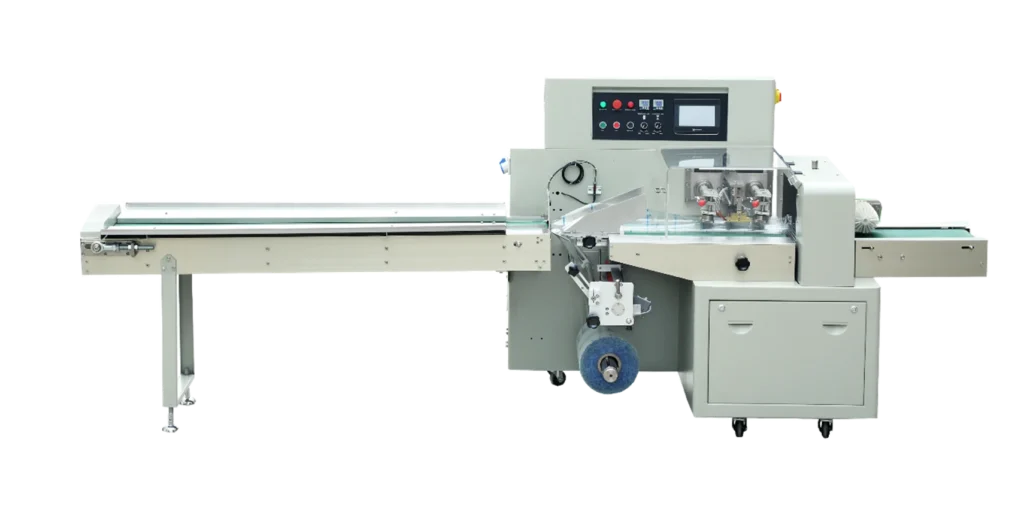
A well-maintained flow wrap machine is essential for producing consistent, high-quality packaging while avoiding costly production delays. Whether you operate a compact manual flow wrapper or a fully automated high-speed packaging line, routine maintenance plays a vital role in ensuring reliable performance, reducing waste and extending the life of your equipment.
Many common packaging issues—such as poor seals, wrinkled film, incorrect package lengths and machine stoppages—are often caused by simple maintenance tasks being overlooked. Implementing a structured preventive maintenance programme helps identify potential problems before they result in expensive repairs or unplanned downtime.
Proper maintenance also improves operator safety, protects valuable machine components and helps maintain consistent packaging quality across every production run. By investing a small amount of time in regular inspections and cleaning, manufacturers can significantly improve machine reliability and reduce long-term operating costs.
In this guide, we’ll cover:
Preventive maintenance is one of the most effective ways to improve the performance and lifespan of a flow wrap machine. Rather than waiting for components to fail, preventive maintenance focuses on regular inspections, cleaning and servicing to keep the machine operating at peak efficiency.
When packaging equipment is properly maintained, manufacturers experience fewer breakdowns, lower repair costs and more consistent production output. Scheduled maintenance also helps detect worn or damaged components before they cause major failures that interrupt production.
Routine maintenance provides several important advantages, including:
Businesses that follow a preventive maintenance schedule typically experience fewer emergency repairs and better overall equipment reliability, allowing production teams to focus on meeting customer demand rather than dealing with unexpected machine failures.
Flow wrap machines operate continuously under demanding production conditions. Over time, normal wear affects moving parts, sealing components and electronic systems. Understanding the most common causes of wear helps operators prevent unnecessary damage and schedule maintenance before problems occur.
Some of the most common causes include:
While wear is inevitable, regular cleaning, lubrication and inspection can significantly slow component deterioration and improve machine reliability.
Small maintenance tasks performed every day can prevent major machine failures later. Spending just 15–20 minutes inspecting and cleaning your flow wrap machine at the end of each shift can save hours of costly downtime and expensive repairs.
Regular daily maintenance is the foundation of a reliable packaging operation. Spending a few minutes inspecting and cleaning your flow wrap machine at the end of each production shift can help prevent unexpected downtime, improve seal quality and extend the lifespan of critical components.
Most daily maintenance tasks require minimal tools and can be performed by trained operators. Any unusual findings should be reported immediately so that maintenance personnel can investigate before production is affected.
| Task | Why It’s Important |
|---|---|
| Clean sealing jaws (crimpers) | Removes burnt film residue that can cause weak or inconsistent seals. |
| Wipe down sensors | Prevents dust or product debris from interfering with product detection and film registration. |
| Inspect the film path | Ensures the packaging film is feeding correctly without wrinkles or drifting. |
| Remove dust and debris | Prevents contamination and improves the reliability of moving components. |
| Check air pressure (if applicable) | Maintains consistent sealing pressure and machine operation. |
| Verify seal quality | Identifies sealing issues before large quantities of product are affected. |
| Inspect emergency stop buttons | Confirms all safety systems are functioning correctly. |
| Listen for unusual noises | Helps detect worn bearings, loose components or mechanical problems early. |
| Check conveyor operation | Ensures products feed smoothly into the wrapping section without jams. |
| Inspect the packaging film roll | Look for damage, poor winding or contamination that could affect packaging quality. |
Completing this checklist every shift helps maintain consistent production performance while reducing the risk of unexpected machine failures.
Operators should also complete a quick visual inspection before starting production each day.
Keeping a printed copy of this checklist near the machine can help ensure maintenance procedures are followed consistently across all production shifts.
While daily maintenance focuses on cleaning and basic inspections, weekly maintenance involves checking the machine’s mechanical condition and ensuring all moving parts operate efficiently.
These inspections help identify early signs of wear before they develop into costly repairs.
| Task | Purpose |
|---|---|
| Lubricate moving parts according to the manufacturer’s recommendations | Reduces friction and prevents premature wear. |
| Inspect drive belts | Check for cracks, fraying or excessive wear. |
| Check chain tension | Prevents inconsistent machine timing and excessive wear. |
| Tighten loose fasteners | Stops vibration from causing mechanical failures. |
| Inspect electrical connections | Ensures cables and terminals remain secure. |
| Clean cooling fans and ventilation openings | Prevents overheating of electrical components. |
| Check conveyor alignment | Ensures smooth product feeding and reduces jams. |
| Inspect pneumatic hoses and fittings | Detects air leaks before they affect machine performance. |
| Verify crimper alignment | Maintains consistent sealing quality. |
| Test safety switches and guards | Ensures operator safety systems function correctly. |
Weekly inspections are ideal for identifying minor maintenance issues before they affect production efficiency.
In addition to completing the maintenance checklist, operators and maintenance technicians should:
A proactive maintenance approach reduces emergency repairs and helps maintain consistent packaging quality.
Monthly maintenance involves a more comprehensive inspection of the machine’s mechanical, electrical and control systems. These tasks are typically completed by experienced maintenance personnel or qualified service technicians.
Regular monthly servicing helps maximise equipment lifespan while ensuring the machine continues operating within manufacturer specifications.
| Task | Purpose |
|---|---|
| Inspect sealing elements | Replace worn or damaged sealing surfaces. |
| Calibrate temperature controllers | Ensures accurate sealing temperatures. |
| Inspect heating elements | Detects damaged or failing heaters. |
| Check gearbox oil (where applicable) | Maintains smooth mechanical operation. |
| Inspect bearings | Replace worn bearings before failure occurs. |
| Check servo motors and drives | Verify normal operation and review alarm history. |
| Inspect electrical wiring | Identify loose, damaged or overheated connections. |
| Check encoder accuracy | Maintains consistent package length and registration. |
| Inspect drive chains and sprockets | Replace worn components before failure. |
| Review maintenance logs | Identify recurring issues and schedule preventive repairs. |
Monthly servicing significantly reduces the likelihood of unexpected machine breakdowns and supports long-term production reliability.
Maintaining detailed service records is an important part of any preventive maintenance programme. Recording inspections, repairs and replaced components allows maintenance teams to identify recurring issues, monitor machine performance and schedule servicing more effectively.
A maintenance log should include:
Accurate maintenance records help improve equipment reliability and simplify future troubleshooting.
A flow wrap machine consists of several mechanical, electrical and pneumatic components that work together to produce consistent, high-quality packaging. While each component has its own maintenance requirements, regular inspections and cleaning can significantly reduce wear and improve machine performance.
Below are the key components that require routine maintenance and the best practices for keeping them in excellent working condition.
The crimpers, also known as sealing jaws, create the end seals on each package. Because they operate under constant heat and pressure, they are among the hardest-working parts of a flow wrap machine.
Poorly maintained crimpers can lead to weak seals, burnt film, leaking packages and unnecessary product waste.
Watch for these signs that your crimpers may require attention:
Routine inspection helps maintain strong, consistent seals and reduces unnecessary downtime.
Fin wheels form the longitudinal seal that runs along the length of the package. Proper alignment and cleanliness are essential for producing neat, secure packages.
If fin wheels become worn or contaminated, packaging quality can deteriorate quickly.
Keeping the fin wheels clean also reduces friction and helps improve film tracking throughout the packaging process.
Accurate film tracking is essential for producing straight, professional-looking packages. Even small alignment problems can lead to wasted film, poor registration and production stoppages.
Operators should inspect the film path throughout each production shift.
Film tracking problems often result in:
Many tracking issues can be corrected by making small adjustments before production quality is affected.
orrect sealing temperatures are essential for producing strong, attractive seals without damaging the packaging film.
If temperatures fluctuate, seal quality can quickly become inconsistent.
Operators should always allow the machine to reach its correct operating temperature before starting production.
Incorrect temperature settings may cause:
Calibrating temperature controllers during scheduled maintenance helps maintain consistent packaging quality.
Modern flow wrap machines rely on multiple sensors to monitor product positioning, detect registration marks and coordinate machine movements.
Dirty or damaged sensors are one of the most common causes of production interruptions.
Even a small amount of dust can reduce sensor accuracy, particularly in dusty manufacturing environments.
The conveyor transports products into the wrapping section at a controlled speed. Consistent product feeding is critical for maintaining accurate package spacing and seal positioning.
A poorly maintained conveyor often causes product jams and irregular package lengths.
A clean and correctly aligned conveyor helps ensure products enter the wrapping section smoothly and consistently.
Many flow wrap machines use compressed air to operate sealing systems, cutters and other moving components.
Air leaks or contaminated air can reduce machine performance and increase energy consumption.
Maintaining clean, dry compressed air helps improve the reliability and lifespan of pneumatic components.
Electrical systems control virtually every aspect of a modern flow wrap machine, from temperature regulation to servo motor operation.
Routine electrical inspections should always be performed by qualified personnel.
Never perform electrical maintenance while the machine is energised unless following the manufacturer’s approved lockout and safety procedures.
Consistent maintenance of each critical machine component helps reduce unexpected breakdowns, minimise product waste and improve overall production efficiency. Rather than waiting for parts to fail, replacing worn components during scheduled maintenance keeps the machine operating at peak performance and reduces long-term operating costs.
By following a structured maintenance programme, manufacturers can maximise equipment lifespan while maintaining reliable packaging quality throughout every production run.
Even with a regular maintenance routine, small oversights can lead to reduced machine performance, poor packaging quality and unexpected downtime. Avoiding these common mistakes will help keep your flow wrap machine operating efficiently and minimise unnecessary repair costs.
Dust, product residue and burnt film quickly accumulate on sealing components, sensors and conveyors. If left unchecked, this build-up can lead to inconsistent seals, inaccurate product detection and increased wear on moving parts.
Minor issues such as unusual noises, slight vibration or inconsistent seals are often early warning signs of a larger mechanical problem. Addressing these issues promptly can prevent more extensive repairs later.
Always use the lubricants recommended by the machine manufacturer. Incorrect lubrication can increase friction, damage bearings and reduce the lifespan of critical components.
Components such as sealing jaws, belts, bearings and sensors naturally wear over time. Waiting until a part fails completely often results in longer downtime and higher repair costs than replacing it during scheduled maintenance.
Operating outside the recommended sealing temperature range can cause weak seals, burnt packaging film or excessive product waste. Temperature settings should always be verified before production begins.
Poor film tracking affects package appearance, increases film waste and can eventually cause machine stoppages. Small adjustments made early can prevent larger production issues.
Without accurate maintenance records, recurring problems are more difficult to identify and scheduled servicing can easily be overlooked. A maintenance log helps ensure preventative maintenance is completed consistently.
Even with routine maintenance, every flow wrap machine will eventually require professional servicing. Recognising the warning signs early can prevent unexpected breakdowns and costly production interruptions.
If you notice any of the following issues, schedule a service inspection as soon as possible.
Ignoring these warning signs may lead to more extensive mechanical damage, longer production downtime and higher repair costs.
Following a structured maintenance schedule helps keep your equipment operating safely and efficiently while reducing the risk of unexpected failures.
| Maintenance Frequency | Recommended Tasks |
|---|---|
| Every Production Shift | Clean sealing jaws, wipe sensors, inspect film path, remove dust and debris, verify seal quality, inspect conveyor, check safety systems. |
| Weekly | Lubricate moving parts, inspect belts and chains, tighten fasteners, clean cooling fans, inspect pneumatic components, check crimper alignment. |
| Monthly | Inspect sealing elements, calibrate temperature controllers, inspect bearings, check servo systems, inspect electrical wiring, review maintenance logs. |
| Quarterly | Complete a detailed mechanical inspection, replace worn consumable components and verify machine calibration. |
| Annually | Schedule a comprehensive professional service, including full inspection, calibration and replacement of major wear components where necessary. |
Using this schedule as part of your preventative maintenance programme can significantly improve machine reliability and reduce the total cost of ownership over the life of the equipment.
Film tearing isn’t just a “bad batch” of plastic; it is usually a mechanical cry for help. To solve it, you need a systematic approach to HFFS troubleshooting.
A common mistake in packaging operations is treating every film width the same. The physics of a 350mm film are vastly different from a 600mm film.
350mm Films: These narrower films require precise, lighter tension settings. Excessive pull can easily cause edge-tearing or “necking.”
450mm Films: Often considered the industry standard for bakery items, these require a balanced tension that accounts for the weight of the roll.
600mm Films: Large-format films carry significant inertia. If your brake tension is too loose, the roll over-runs; if it’s too tight, the film snaps during the high-speed pull cycle.
Correct maintenance involves calibrating your tension rollers every time you switch between these film widths to ensure the pull-force is distributed evenly across the web.
If the film is not centered, it will “walk” toward one side of the forming box. When the film hits the edge of the metal former at an angle, the friction causes a heat-concentrated tear. Addressing flow wrap film tracking issues starts with checking the alignment of your unwind shaft and the cleanliness of your rollers. Any buildup of adhesive or dust can create “drag,” leading to an uneven pull.
Temperature control is a vital part of maintenance. If your sealing jaws are too hot, they don’t just seal the film—they weaken the molecular structure of the plastic, making it brittle and prone to snapping right at the seam. Conversely, cold jaws require more pressure, which can mechanically pinch and tear the film. Adjusting sealing temperature should be done in increments of 5°C until the seal is clear, strong, and the film remains flexible.
While operators can perform routine cleaning and inspections, certain maintenance tasks should only be carried out by trained technicians.
Professional servicing is recommended when:
Professional servicing ensures repairs are completed safely while maintaining the manufacturer’s recommended operating standards.
A flow wrap machine is a significant investment in your packaging operation, and regular maintenance is the best way to protect that investment. By following a structured daily, weekly and monthly maintenance schedule, businesses can reduce downtime, improve packaging quality and extend the lifespan of their equipment.
Routine inspections, proper cleaning and timely replacement of worn components not only improve production efficiency but also reduce long-term operating costs and minimise unexpected breakdowns.
Whether you operate a single machine or manage a high-volume packaging line, a proactive maintenance programme helps ensure your equipment continues delivering reliable, consistent performance.
If your business requires expert servicing, preventative maintenance or technical support for a flow wrap machine, the experienced team at SA Packaging Machinery can help. We provide professional maintenance services, technical advice and packaging solutions to keep your equipment operating at peak performance.
Regular maintenance today can prevent costly downtime tomorrow. Contact SA Packaging Machinery to schedule a professional service, discuss preventative maintenance programmes or speak with our team about maintaining your packaging equipment for maximum performance and reliability.
Contact us today to book a service or request expert advice.
We pride ourselves on bridging the gap between high-end technology and affordability. Our machines offer the same—if not better—precision as premium European models but at a lower price than local suppliers. However, a lower price tag doesn’t mean lower support. Our after-sales service is designed to be the best in the country, ensuring that your maintenance needs are met with genuine spare parts and expert hands.
For specialized support or to book a service with our Chinese technical team, you can reach out via our contact page.
Daily cleaning and inspections should be completed after every production shift. More detailed preventative maintenance should be carried out weekly and monthly, while a comprehensive professional service is generally recommended annually or according to the manufacturer’s maintenance schedule. The exact servicing interval depends on production volume, operating conditions and the type of products being packaged.
Cleaning the sealing jaws, sensors and film path is one of the most important daily tasks. Removing dust, packaging film residue and product debris helps maintain consistent seal quality, improves sensor accuracy and reduces unnecessary wear on machine components.
Poor seals can result from several factors, including incorrect temperature settings, worn sealing jaws, contaminated sealing surfaces, poor film tracking or damaged packaging film. Regular inspection and maintenance of these components can help restore consistent sealing performance.
Film tracking issues are commonly caused by incorrect roll alignment, worn guide rollers, improper film tension or damaged tracking components. Even small alignment problems can lead to wrinkled packaging, crooked seals and increased film waste if not corrected promptly.
A high-quality flow wrap machine can provide reliable service for 15 to 20 years or longer when maintained correctly. Regular preventative maintenance, proper cleaning and timely replacement of worn components all contribute to extending the lifespan of the equipment.
Yes. Operators should perform routine maintenance tasks such as daily cleaning, visual inspections, sensor cleaning and basic lubrication where appropriate. However, electrical repairs, major mechanical adjustments, software changes and component replacements should always be carried out by qualified technicians.
The best way to reduce downtime is by implementing a preventative maintenance programme. Scheduled inspections, routine lubrication, temperature calibration and replacing worn components before they fail can significantly improve machine reliability and reduce costly production interruptions.
Wear parts such as sealing jaws, belts, bearings, sensors and guide rollers should be replaced as soon as signs of excessive wear, damage or reduced performance are identified. Waiting until a component fails completely often results in longer downtime and more expensive repairs.
Yes. A well-maintained flow wrap machine produces more consistent seals, accurate package lengths and better film tracking. Preventative maintenance also reduces product waste, minimises rejected packages and improves overall production efficiency.
SA Packaging Machinery provides expert technical support, preventative maintenance services and packaging equipment solutions for businesses across South Africa. Our experienced team can help maintain your flow wrap machine for reliable, efficient and long-lasting performance.