
Vertical Form Fill Seal (VFFS) machines are critical in modern packaging lines, especially in South African manufacturing, food production, and FMCG environments.
When they run well, production is fast and efficient. When they fail, downtime becomes expensive quickly.
This guide covers the most common VFFS machine problems, their causes, and how to fix them — plus preventative steps to reduce breakdowns. In some cases, recurring issues may indicate that the machine is not correctly specified for the application, which is covered in our VFFS buying guide.
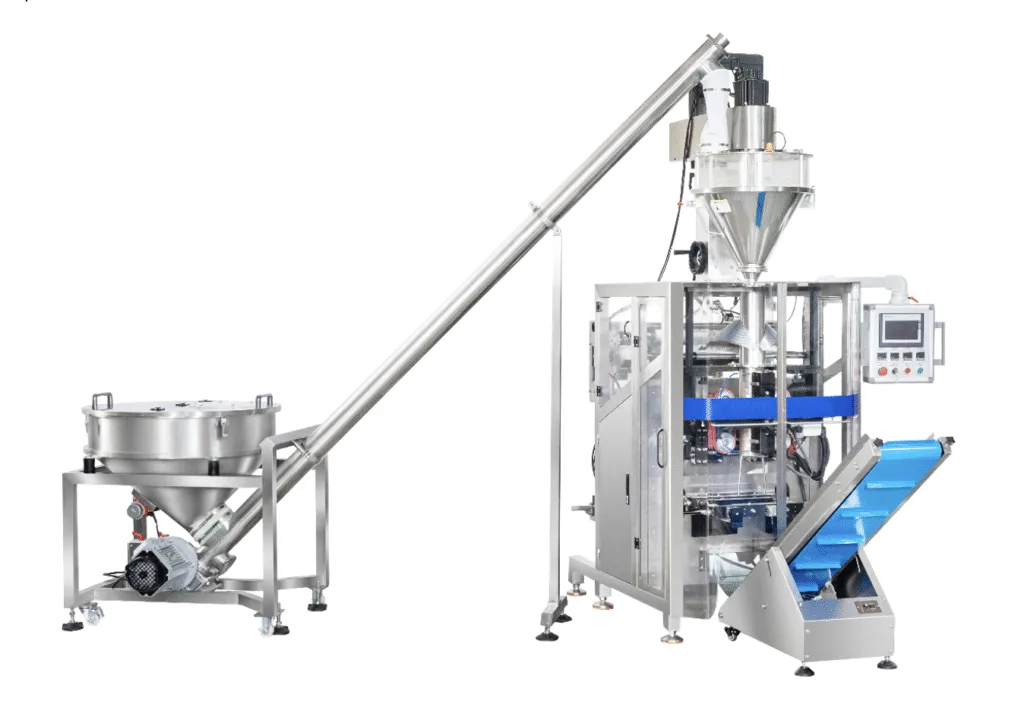
In this guide, we’ll explore the most common VFFS problems and provide step-by-step solutions to get your machine running at full efficiency again. If you need a more detailed breakdown of how the machine operates, our VFFS machine guide explains each stage of the process in detail.
This VFFS troubleshooting guide covers the most common issues, their causes, and practical solutions for operators and maintenance teams.
Film drifts left/right causing uneven bags or sealing failure.
Weak seals, burnt seals, or seals that open after packing.
Incorrect bag shape, uneven length, or sealing at wrong positions.
Overfilled or underfilled bags.
Product gets trapped in seals causing leaks.
Machine stops unexpectedly.
Many common breakdowns can be avoided with proper servicing and routine checks outlined in our VFFS maintenance guide.
Most breakdowns in South African production environments come from:
To reduce VFFS downtime:
When repair costs become frequent, it may be worth comparing them against the investment required for a new system using our guide on VFFS machine cost in South Africa.
Common problems include bags not sealing properly, film tracking issues, inconsistent fill weights, jammed film rolls, incorrect bag length, and unstable production speeds. Most issues relate to settings, worn parts, or incorrect material handling.
Weak seals are often caused by wrong sealing temperature, uneven pressure, dirty sealing jaws, or improper film type. Check the film specifications and adjust the heat and pressure according to the material being used.
Inconsistent fill weights can result from improper calibration, worn dosing parts (auger or multi‑head weigher), product bridging in the hopper, or unstable product flow. Calibrating the filler and ensuring a consistent product feed usually resolves this.
Film tracking issues typically occur when the film is misaligned, the tension is incorrect, or the rollers and guides are worn or dirty. Realign the film, adjust tension, and clean rollers/guides to improve tracking.
Incorrect bag length is usually caused by wrong indexing settings, encoder issues, or miscalibrated pull belts. Check and recalibrate the length settings in the HMI (touchscreen control), and inspect pull belts for wear.
Film wrinkles often happen due to excessive tension, incorrect forming collar installation, or mismatched film width. Reduce tension, check the collar setup, and use film that matches your machine’s specifications.
Film jams are frequently caused by sharp edges on the film roll core, damaged film edges, or rollers with debris. Ensure film edges are clean, core edges are smooth, and rollers are debris‑free.
Unexpected stops may be caused by sensor misalignment, product fall‑back, safety guard switches, or emergency stop activation. Inspect sensors for contaminants, make sure safety interlocks are fully closed, and verify product flow.
Routine cleaning after each shift is ideal. Inspect and clean sealing jaws, forming tubes, film guides, and sensor windows daily. More thorough maintenance (lubrication, belt checks) should follow your service schedule.
Regular maintenance includes:
Tightening loose fasteners
Checking and replacing worn belts and rollers
Lubricating bearings and guides
Calibrating sensors and scales
Cleaning film paths and sealing components
This boosts uptime and reduces troubleshooting needs.
For electrical or control issues, first restart the machine safely, check for loose cables or blown fuses, and review error codes on the touchscreen. If the issue persists, consult your supplier’s support team.
If you’ve tried basic adjustments and the issue continues — especially electrical faults, complex mechanical failures, or recurring error codes — reach out to technical support for guided troubleshooting and spare parts assistance.
Most sealing issues come from incorrect temperature, dirty jaws, or incompatible film.
Recalibrate the dosing system and check for auger wear or inconsistent product flow.
This happens when product drops too late or fill volume is too high.
Basic cleaning daily, inspection weekly, and full servicing monthly is recommended.
Reducing downtime and improving seal quality directly improves production efficiency and contributes to overall VFFS machine ROI