VFFS Buying Guide: How to Choose the Right VFFS Machine for Your Business

If you are investing in automated packaging, choosing the right Vertical Form Fill Seal (VFFS) machine is one of the most important decisions you will make. The correct machine improves production speed, reduces product waste, and ensures consistent packaging quality—while the wrong choice can lead to downtime, inaccurate filling, and costly inefficiencies.

This guide explains exactly how to choose the right VFFS machine based on your product type, production requirements, dosing system, and automation level.
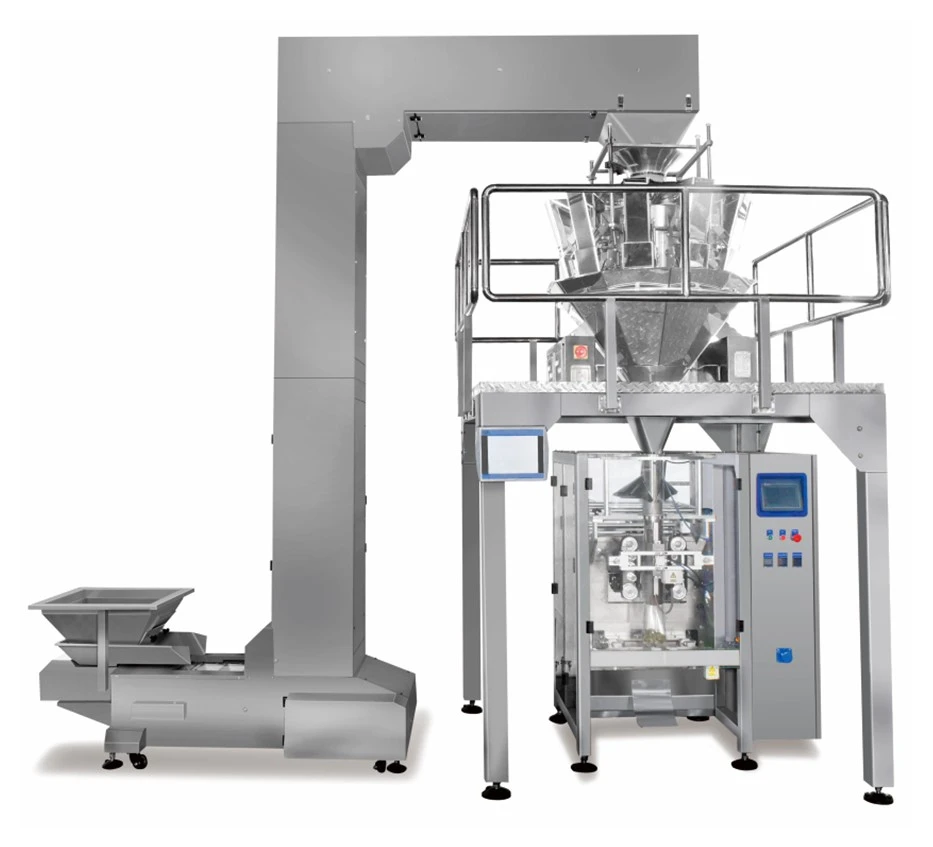
What is a VFFS Machine?

how to choose the right VFFS machine

A Vertical Form Fill Seal (VFFS) machine is an automated packaging system that forms bags from roll stock film, fills them with product, and seals them vertically in a continuous process.

These machines are widely used in:

  • Food packaging (snacks, rice, sugar, coffee)
  • Powder products (milk powder, spices, flour)
  • Confectionery
  • Agricultural products
  • Pharmaceutical and chemical packaging


One of the most critical decisions when selecting a machine is choosing the correct VFFS dosing systems, as this directly affects accuracy, speed, and product suitability.

1. Start with Your Product Type

Your product is the biggest deciding factor in VFFS machine selection.

Free-flowing products

Examples: rice, sugar, salt, coffee beans, snacks

  • Best suited for: volumetric cup fillers
  • Why: fast, cost-effective, simple operation
  • Limitation: less accurate than weighing systems

Powder products

Examples: flour, milk powder, spices, protein powder

  • Best suited for: auger fillers
  • Why: designed for fine, dusty, non-free-flowing materials
  • Benefit: higher dosing accuracy
  • Important: look for dust control and servo-driven augers for precision

Irregular or premium products

Examples: frozen foods, nuts, confectionery, mixed snacks

  • Best suited for: multihead weighers
  • Why: highest accuracy and reduced giveaway
  • Benefit: ideal for high-value products where precision matters most
  • Trade-off: higher upfront cost

These machines are used across a wide range of industries, which you can explore in our guide to applications of VFFS machines.

2. Choose the Right Dosing System

Here’s a quick comparison:

  • Volumetric Cup System
    • Best for speed and simplicity
    • Lower accuracy
    • Ideal for budget-conscious operations (Budget is one of the most important factors in any purchasing decision, and our guide on VFFS machine cost in South Africa breaks down what influences pricing.
  • Auger Filler System
    • Best for powders
    • Good accuracy
    • Requires maintenance for consistent performance
  • Multihead Weigher
    • Best for accuracy and product consistency
    • Higher speed + minimal product giveaway
    • Best for medium to high production lines

When comparing machine layouts and product handling capabilities, it’s also useful to review VFFS vs HFFS packaging machines.

3. Required Speed (Output per Minute)

You need to define your production target clearly.

Typical ranges:

  • Entry-level machines: 20–40 bags/min
  • Mid-range: 40–80 bags/min
  • High-speed systems: 80–120+ bags/min

Tip: Always plan 20–30% above current demand for future growth.

4. Pouch Formats and Packaging Style

Not all VFFS machines support all bag styles.

Common formats include:

  • Pillow bags (standard)
  • Gusseted bags (side expansion)
  • Quad seal bags (premium retail look)
  • Sachets / small packs

Make sure your machine supports:

  • Film width range
  • Seal type (back seal, fin seal, lap seal)
  • Changeover flexibility if you run multiple SKUs

Another common comparison is between automated VFFS systems and pre-formed packaging, which we cover in VFFS vs premade pouch machines.

5. Automation Level & Servo Technology

Modern VFFS machines can vary significantly in automation.

Basic systems

  • Mechanical drive
  • Manual adjustments
  • Lower cost
  • More downtime risk

Semi-automatic systems

  • Partial servo control
  • Faster changeovers
  • Better consistency

Full servo VFFS machines

  • Independent servo motors for film pull, sealing, and dosing
  • High precision and speed
  • Reduced waste and downtime
  • Best for scaling production

6. Build Quality & Hygiene Requirements

If you are in food, pharma, or sensitive packaging:

Look for:

  • Stainless steel contact parts
  • Washdown-ready design (IP ratings where needed)
  • Easy cleaning access
  • Tool-less changeover parts

7. Key Questions to Ask Your Supplier

Before buying a VFFS machine, always ask:

Product & performance

  • What product types is this machine optimized for?
  • What is the real-world output speed (not theoretical)?

Accuracy & waste

  • What is the dosing accuracy range?
  • How much product giveaway should I expect?

Support & maintenance

  • What is the lead time for spare parts in South Africa?
  • Do you offer local technical support?

Flexibility

  • Can the machine handle multiple pouch sizes?
  • How long does changeover take?

Lifecycle

  • What is the expected lifespan of the machine?
  • What maintenance is required daily, weekly, and monthly?

8. Total Cost Considerations (Not Just Purchase Price)

When evaluating a VFFS machine, consider:

  • Machine price
  • Installation and commissioning
  • Operator training
  • Spare parts inventory
  • Downtime risk
  • Energy consumption
  • Maintenance frequency

A cheaper machine can cost more over time if it causes downtime or product waste.

While upfront cost is important, long-term savings in labour, film usage, and product giveaway all contribute to strong VFFS machine ROI over time.

The best VFFS machine is not the fastest or the cheapest—it’s the one that matches:

  • Your product behaviour
  • Your required accuracy
  • Your growth plans
  • Your packaging format flexibility

For certain products, flow wrapping may be more suitable than bagging systems, which we compare in Flow Wrap vs VFFS.

Frequently Asked Questions

What is the best VFFS machine for small businesses?

For small operations, a semi-automatic VFFS machine with volumetric or auger filling is usually the most cost-effective starting point.

Which is better: auger filler or volumetric cup filler?

Auger fillers are more accurate and better for powders, while volumetric cup fillers are faster and more affordable for free-flowing products.

How fast is a VFFS machine?

Most VFFS machines range between 20 and 120 bags per minute depending on model, product type, and automation level.

Can one VFFS machine handle different products?

Yes, but only if it is designed with adjustable dosing systems and quick-change parts.

What is the lifespan of a VFFS machine?

A well-maintained VFFS machine can last 8–15 years depending on usage intensity and maintenance quality.

Is a servo VFFS machine worth it?

Yes, especially for high-volume production. Servo machines offer better accuracy, lower waste, and faster changeovers.

Choosing the right VFFS machine comes down to matching your product type, production speed, dosing system, and automation needs. The right investment will improve efficiency, reduce waste, and support long-term growth.

If you’re scaling production, it’s worth prioritising accuracy, reliability, and after-sales support over upfront cost alone.