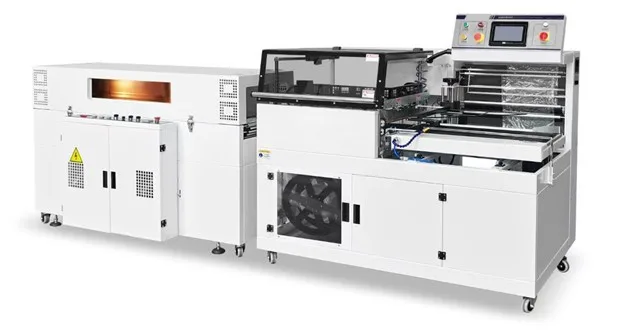
Regular shrink wrap machine maintenance is one of the easiest ways to improve machine reliability, reduce downtime and extend equipment life. Whether you operate an L-bar sealer, side sealer, sleeve wrapper or fully automatic shrink wrap line, preventative maintenance helps ensure consistent seal quality and efficient production.
In this guide, we’ll explain the daily, weekly and monthly maintenance tasks every operator should perform, how to care for seal bars and shrink tunnels, and the warning signs that indicate your machine needs servicing.
A shrink wrap machine operates under continuous heat and mechanical movement. Without regular maintenance, wear can quickly affect sealing quality, film performance and production speed.
Proper maintenance helps you:
Preventative maintenance is far less expensive than emergency repairs and unplanned downtime.
These checks should be completed before or after every production shift.
Remove any melted film residue from the seal blade once it has cooled. Build-up can cause poor seals, sticking film and uneven cuts.
Never use abrasive tools that could damage the sealing surface.
Check the Teflon tape covering the sealing element for:
Replace damaged tape immediately to maintain clean, even seals.
Dust, labels and pieces of film often collect inside the tunnel.
Remove debris regularly to:
Look for:
A damaged conveyor can affect product positioning and shrink consistency.
Verify that all emergency stop buttons and safety covers function correctly before operating the machine.
Safety systems should never be bypassed.
Every week, perform a more detailed inspection.
Lubricate bearings, guide rails and moving components according to the manufacturer’s recommendations.
Avoid over-lubrication, as excess grease attracts dust.
Check for:
Any electrical issues should be repaired by qualified technicians.
If your machine uses compressed air:
Film rollers should rotate freely without excessive wear.
Dirty rollers may cause poor film tracking.
Monthly maintenance focuses on calibration and long-term wear.
Verify that the actual tunnel temperature matches the control panel setting.
Incorrect temperatures can cause:
Use a calibrated thermometer where appropriate.
An uneven seal bar may produce:
Adjust alignment according to the manufacturer’s specifications.
Heating elements should heat evenly across their full length.
Replace damaged or failing elements before they affect production.
Check for:
Replace worn components before failure occurs.
The seal blade is one of the hardest-working components on any shrink wrap machine.
To maximise blade life:
A clean blade produces stronger, more attractive seals while reducing film waste.
Correct tunnel temperature is essential for producing professional-looking shrink-wrapped products.
If the temperature is too low:
If the temperature is too high:
Temperature settings should always be adjusted according to:
| Problem | Possible Cause | Solution |
|---|---|---|
| Weak seals | Dirty seal bar | Clean seal bar |
| Film sticks | Damaged Teflon tape | Replace tape |
| Uneven shrink | Incorrect tunnel temperature | Recalibrate tunnel |
| Wrinkled film | Conveyor speed too fast | Reduce speed |
| Film tears | Damaged blade | Replace blade |
| Products stop inside tunnel | Conveyor issue | Inspect belt and motor |
| Frequency | Tasks |
|---|---|
| Daily | Clean seal bar, inspect Teflon tape, clean tunnel, inspect conveyor, check safety systems |
| Weekly | Lubricate moving parts, inspect wiring, inspect rollers, check pneumatic system |
| Monthly | Calibrate tunnel temperature, inspect heating elements, check seal alignment, inspect drive belts |
Following a preventative maintenance schedule is the best way to maximise the return on your shrink wrap equipment investment. Train operators to recognise early signs of wear, keep the machine clean and replace consumable parts such as Teflon tape before they fail. Recording maintenance activities in a service log also helps identify recurring issues and plan servicing before breakdowns occur.
Routine shrink wrap machine maintenance improves productivity, reduces downtime and ensures consistent packaging quality. By performing simple daily inspections alongside regular weekly and monthly servicing, businesses can extend the life of their equipment and minimise costly repairs. Whether you operate a semi-automatic or fully automatic system, preventative maintenance is essential for reliable, long-term performance.
Basic cleaning and inspections should be carried out daily, with more detailed maintenance performed weekly and monthly. A full professional service is typically recommended annually or according to the manufacturer’s guidelines.
Poor seals are often caused by dirty seal bars, worn Teflon tape, incorrect sealing temperatures or misaligned sealing components.
Wrinkled shrink film can result from incorrect tunnel temperature, excessive conveyor speed, unsuitable film or uneven heat distribution inside the shrink tunnel.
Allow the machine to cool completely before cleaning. Remove film residue from the seal bar, clear debris from the shrink tunnel, wipe down conveyors and inspect moving parts for wear.
Replace Teflon tape whenever it becomes burnt, torn, wrinkled or worn, as damaged tape can lead to poor sealing performance and increased film waste.
Regular maintenance includes cleaning the tunnel, checking heating elements, inspecting airflow, calibrating temperature settings and examining conveyor belts for wear or misalignment.
Routine cleaning, inspections and minor consumable replacements can usually be performed by trained operators. Electrical repairs, heating element replacements and major servicing should be completed by qualified technicians.
Cleaning the seal bar and inspecting the Teflon tape are among the most important daily tasks because they directly affect seal quality and packaging consistency.
Next step: compare every shrink wrap machine we supply, with prices and a decision guide, on the shrink wrap machines page.