
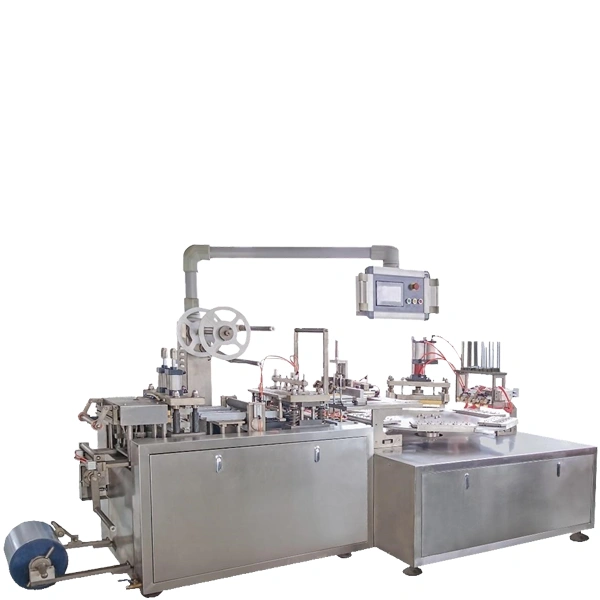
Routine blister machine maintenance is essential for achieving consistent seal quality, reducing unexpected breakdowns, and extending the lifespan of your packaging equipment. Whether you operate a pharmaceutical, medical device, cosmetics, or consumer goods production line, preventative maintenance helps maximise productivity while lowering repair costs.
A well-maintained blister packaging machine also produces better-looking packages, reduces material waste, and ensures consistent production speeds.
Regular maintenance helps you:
Ignoring routine maintenance often leads to poor seals, inconsistent forming, film jams, and lower production output.
Operators should perform these simple checks before and after each production shift.
Remove:
Pay particular attention to the forming station, sealing station, cutting station, and conveyors.
Check for:
Misaligned film can result in defective blister packs and wasted material.
Inspect:
Poor sealing can compromise product protection and lead to rejected packages.
Ensure all sensors are:
Dirty sensors are a common cause of production interruptions.
Once a week, perform a more detailed inspection.
Lubricate components according to the manufacturer’s recommendations, including:
Never over-lubricate, as excess lubricant can contaminate packaging materials.
Check for:
Replace worn parts before failure occurs.
Machine vibration can loosen:
Inspect and tighten as required.
Monthly inspections help prevent long-term wear.
Check for:
Replace faulty heaters before seal quality is affected.
Inspect:
Air leaks reduce machine efficiency and increase operating costs.
Look for:
Electrical inspections should only be carried out by qualified personnel.
Watch for warning signs such as:
Addressing these issues early helps prevent larger repairs.
To maximise the lifespan of your blister packaging machine:
A documented maintenance programme makes troubleshooting easier and reduces unexpected downtime.
Whether you require a new blister packaging machine or assistance maintaining your existing equipment, SA Packaging Machinery can help you improve reliability, production efficiency, and packaging quality.
Contact our team to discuss servicing, spare parts, or selecting the right blister packaging solution for your production requirements.
Basic cleaning and inspections should be carried out daily. Lubrication, belt checks, and component inspections should be completed weekly, while more detailed servicing of heating elements, pneumatic systems, and electrical components should be performed monthly or according to the manufacturer’s recommendations.
Keeping the machine clean is one of the most important maintenance tasks. Dust, film scraps, and product residue can affect sensors, sealing quality, and machine performance. Regular cleaning helps prevent breakdowns and ensures consistent packaging quality.
Poor seals are often caused by incorrect sealing temperatures, worn sealing plates, insufficient pressure, contaminated sealing surfaces, or damaged packaging materials. Regular inspections help identify these issues before they affect production.
Preventative maintenance is the best way to minimise downtime. Cleaning the machine regularly, replacing worn parts before they fail, lubricating moving components, and following a scheduled maintenance plan all help keep production running smoothly.
Common wear components include sealing plates, cutting tools, bearings, drive belts, guide rails, sensors, and pneumatic seals. Monitoring these parts regularly helps prevent unexpected failures.
Yes. Sensors should be cleaned daily to remove dust, film particles, and product debris. Dirty sensors can cause feeding errors, incorrect product detection, and unnecessary machine stoppages.
Absolutely. A well-maintained machine produces more consistent blister cavities, stronger seals, cleaner cuts, and fewer rejected packs. It also reduces material waste and improves overall production efficiency.
In addition to routine operator maintenance, a professional service should be carried out at least once a year, or more frequently for high-volume production lines. Professional servicing includes inspecting electrical systems, calibrating components, replacing worn parts, and ensuring the machine continues to operate at peak performance.