
When choosing retail packaging, one of the most common questions manufacturers ask is blister vs clamshell packaging. While both packaging types use transparent plastic to showcase products, they differ significantly in design, cost, protection, and customer experience.
Understanding these differences helps businesses select the right packaging solution for their products, production line, and budget.
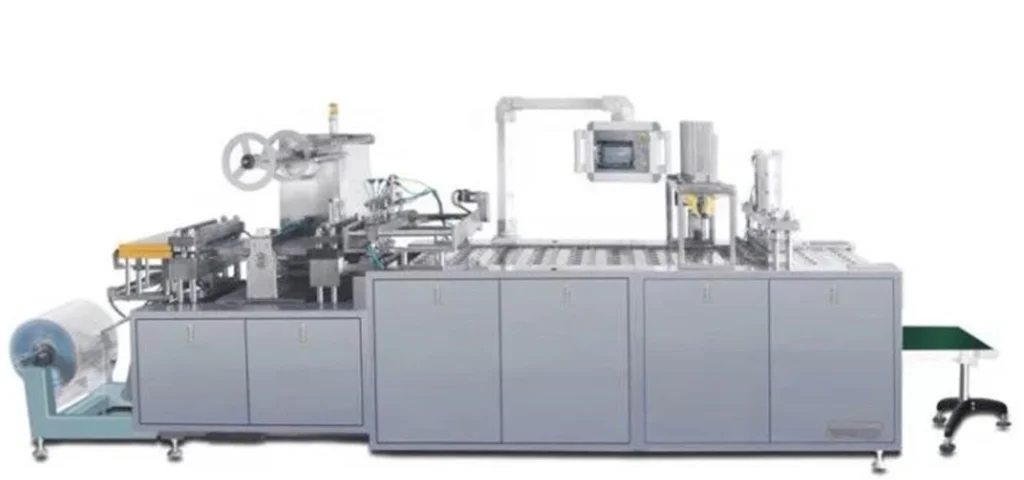
Blister packaging consists of a formed plastic cavity (blister) attached to a backing material such as:
The product sits inside the formed cavity before the package is sealed.
Blister packs are commonly used for:
Because the backing card provides branding space, blister packaging is ideal for retail displays.
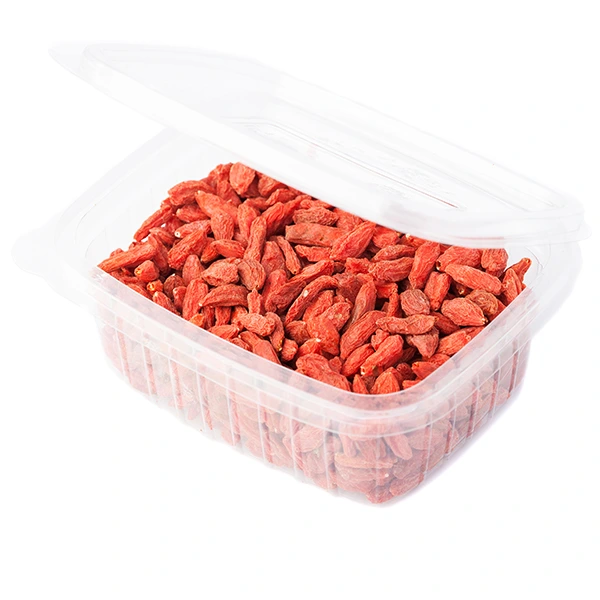
Clamshell packaging is made entirely from plastic and consists of two hinged halves that fold together like a shell.
Some versions include:
Clamshells provide excellent product visibility and superior physical protection.
Typical applications include:
| Feature | Blister Packaging | Clamshell Packaging |
|---|---|---|
| Construction | Plastic cavity + backing card/foil | Two-piece plastic shell |
| Material Usage | Lower | Higher |
| Product Visibility | Front view | Nearly 360° visibility |
| Protection | Good | Excellent |
| Tamper Resistance | Good | Excellent when sealed |
| Branding Space | Large printed backing card | Limited printed inserts |
| Weight | Lightweight | Heavier |
| Cost | Lower | Higher |
| Shipping Efficiency | Better | Requires more storage space |
| Sustainability | Less plastic | More plastic unless recycled PET is used |
For theft prevention and tamper resistance, clamshell packaging generally offers greater security.
Advantages include:
Blister packs still offer good security but are generally better suited to lightweight or lower-value products.
In most applications, blister packaging is the more economical option because it uses:
Clamshell packaging requires more plastic material and larger tooling, increasing manufacturing costs.
However, if product damage is a major concern, the additional protection offered by clamshell packaging may reduce overall costs through fewer returns and replacements.
Both packaging styles perform well in retail environments.
Sustainability is becoming increasingly important when selecting packaging.
Modern blister and clamshell packaging can both be manufactured using recyclable PET or RPET materials.
Manufacturers can further improve sustainability by:
Blister packaging generally has a lower environmental footprint because it uses less plastic.
Blister packaging is widely used in:
Clamshell packaging is common in:
Choose blister packaging if you need:
Choose clamshell packaging if you need:
The right choice depends on your product size, protection requirements, branding goals, and production volume.
Modern blister packaging machines can produce:
These systems can be integrated with cartoners, vision inspection systems, coding equipment, and automated conveyors for high-speed production.
No. Blister packaging uses a formed plastic cavity attached to a backing card or foil, while clamshell packaging consists of two plastic halves that close around the product.
Blister packaging is generally less expensive because it uses less plastic and simpler manufacturing processes.
Clamshell packaging typically offers greater protection against impacts, crushing, and tampering.
Many blister packs can be manufactured using recyclable PET materials, although recyclability depends on the combination of plastic and backing materials used.
Clamshell packaging is commonly used for electronics, toys, hardware, food products, automotive accessories, and other retail goods requiring high visibility and protection.