
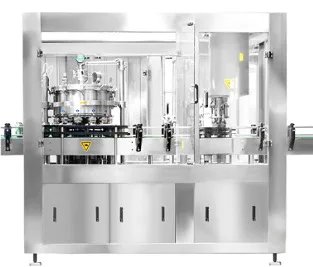
Canning is one of the most reliable packaging methods for food, beverages, chemicals, and pharmaceutical products. At the centre of every canning line is the can seamer—the machine responsible for permanently sealing the lid to the can body.
Understanding how a can seamer works helps manufacturers improve product quality, prevent leaks, and extend shelf life. Whether you’re packaging beverages, sauces, canned vegetables, pet food, or chemicals, a properly formed double seam is essential for product safety.
A can seamer is a machine that attaches a metal lid (also called an end) to a filled can by mechanically folding the lid and can body together. Unlike welding or adhesives, this process creates a double seam, which forms a strong, airtight, and leak-resistant seal.
Modern can seamers are used in:
Before seaming begins, the can passes through several production stages.
This sequence ensures the product remains protected from contamination while maintaining freshness.
The seaming chuck holds the can lid firmly in place while the seaming rolls perform the folding operation. It ensures the lid remains perfectly aligned throughout the process.
Most can seamers use two seaming rolls.
The first roll folds the edge of the can lid around the flange of the can body.
At this stage the seam is formed but not yet fully compressed.
The second roll compresses and irons the folded metal into its final shape.
This creates the finished double seam that provides strength and leak resistance.
The lifter raises the filled can against the seaming chuck with controlled pressure.
Maintaining consistent pressure is critical for producing uniform seams across every container.
Can guides keep containers correctly aligned as they enter and exit the seaming station.
Proper alignment reduces the risk of damaged seams and production stoppages.
A correctly sized lid is positioned on top of the filled can.
The seaming chuck holds the lid securely.
The first seaming roll folds:
Together to begin forming the seam.
This stage creates the initial mechanical lock between the lid and can.
The second seaming roll compresses the folded metal layers into a tight, uniform double seam.
The finished seam contains multiple interlocked layers of metal that create an airtight seal.
After seaming, cans are inspected for:
Many automated production lines include seam inspection systems to verify quality throughout production.
A poorly formed seam can result in:
For food and beverage manufacturers, seam integrity is one of the most important quality control checkpoints in the production process.
Several factors can affect seam quality.
These include:
Routine maintenance and regular seam inspections help prevent production issues.
Can seamers are widely used across multiple industries, including:
Automatic can seamers are commonly integrated into complete filling and packaging lines for high-speed production.
When selecting a can seamer, consider:
Selecting the correct machine helps ensure reliable production and consistent seam quality.
SA Packaging Machinery supplies commercial can seamers for South African manufacturers across the food, beverage, pharmaceutical, and industrial sectors.
Our specialists can recommend the right solution based on your production capacity, container sizes, and packaging requirements.
A can seamer mechanically joins a can body and lid by forming a double seam using a seaming chuck, lifter plate, and two seaming rolls. This creates a strong, airtight seal without welding or adhesives.
A double seam is the mechanical interlocking of the can lid and can body into multiple folded layers of metal, creating a leak-resistant and durable seal.
The first operation roll folds the lid curl around the can body flange to create the initial seam before final compression.
The second operation roll compresses and tightens the folded metal to produce the finished double seam.
Good seam integrity prevents leaks, contamination, oxygen ingress, and spoilage while helping products achieve their intended shelf life.
Yes. Can seamers are widely used for beer, soft drinks, energy drinks, sparkling water, cider, RTDs, and many other canned beverages.