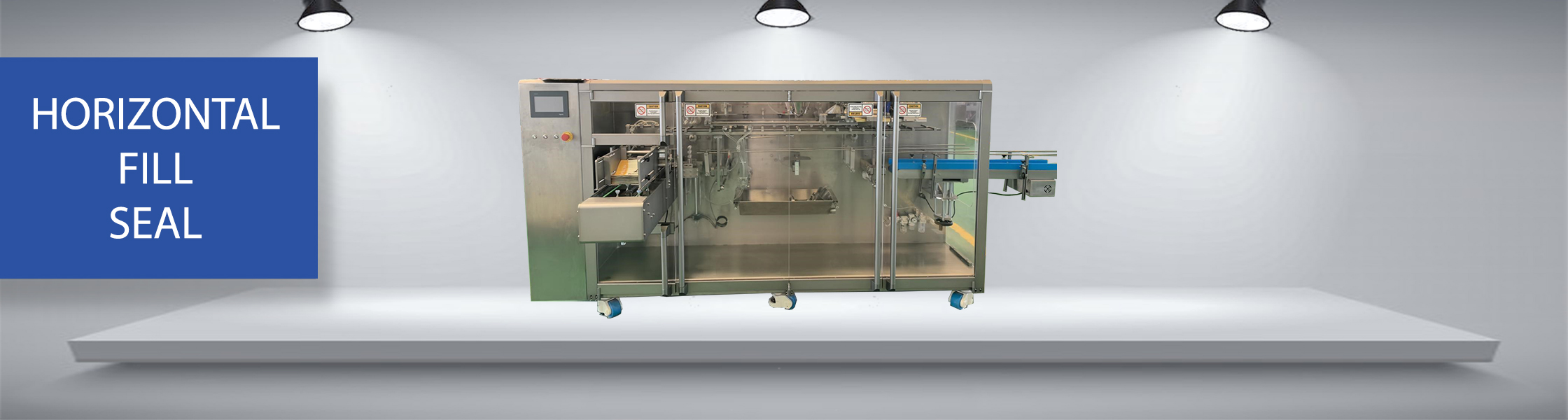
A Horizontal Fill-Seal packaging machine is an automated system that processes pouches horizontally by filling them with product and sealing them in a smooth, continuous operation. It’s widely used for food, beverages, powders, granules, liquids, pastes, and household products because it offers fast output, consistent sealing quality, and a clean, professional finish.
Unlike vertical packaging systems (where product drops down into a bag), a horizontal system moves packaging through the machine on a horizontal track, which is especially useful for pouches and specialty premade bag styles.
Horizontal fill-seal machines typically fall into a few common categories depending on the pack style you’re running. The most popular types are:
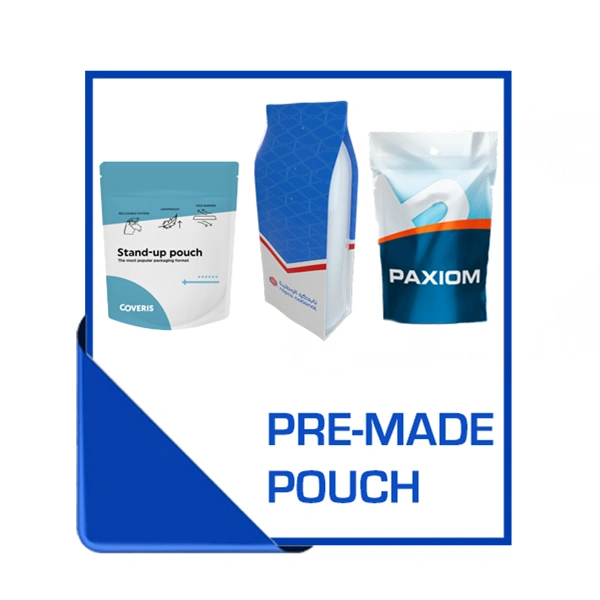
A premade pouch packing machine uses ready-made pouches (already formed and cut) that are loaded onto the machine and automatically processed.
Best for:
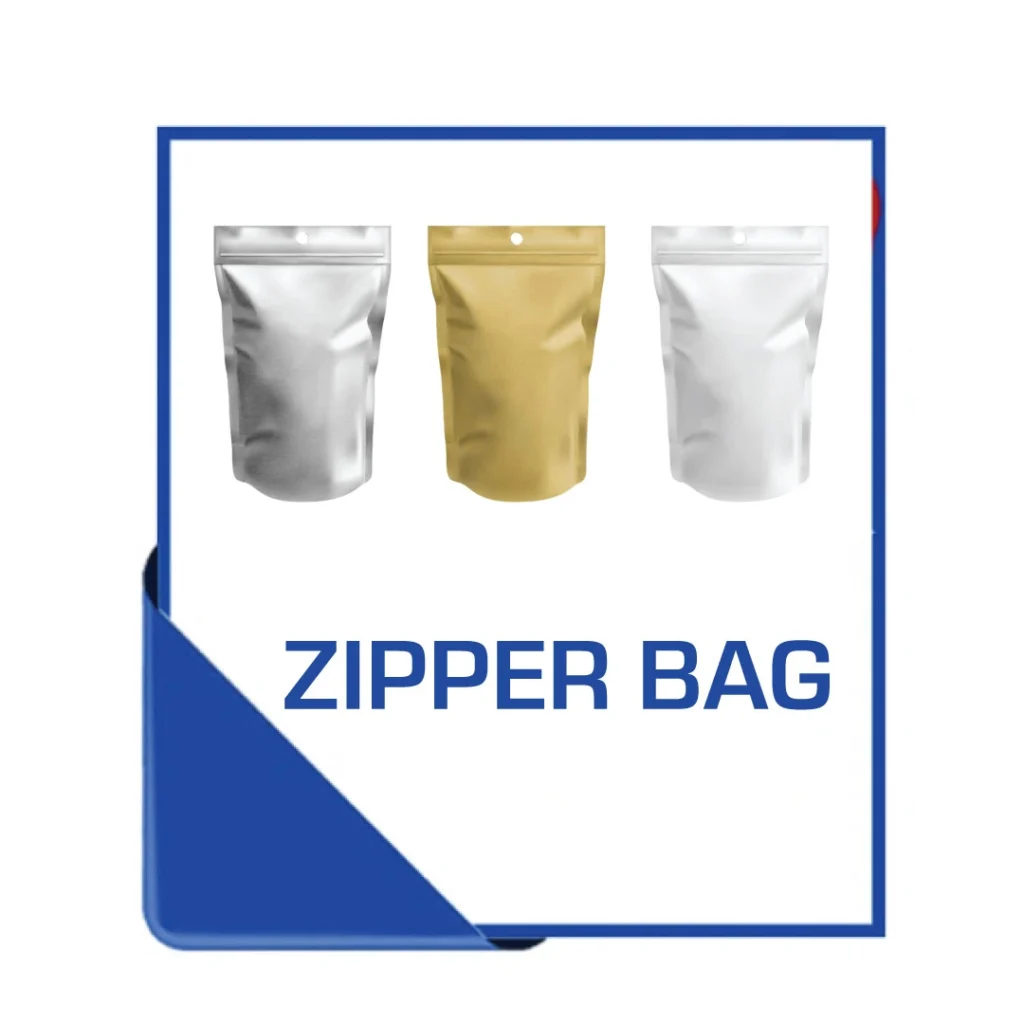
Stand-up pouches, flat pouches, zipper pouches
Products that need a premium look
Brands that want flexibility across pouch sizes/styles
A sachet packing machine produces small, sealed packets—often used for single-serve portions or samples. Sachets are ideal when you want a compact pack with high output.
Best for:
Powders (coffee, supplements, seasoning)
Liquids (sauces, shampoo, sanitiser)
Granules (sugar, salt)
Samples and single-use products
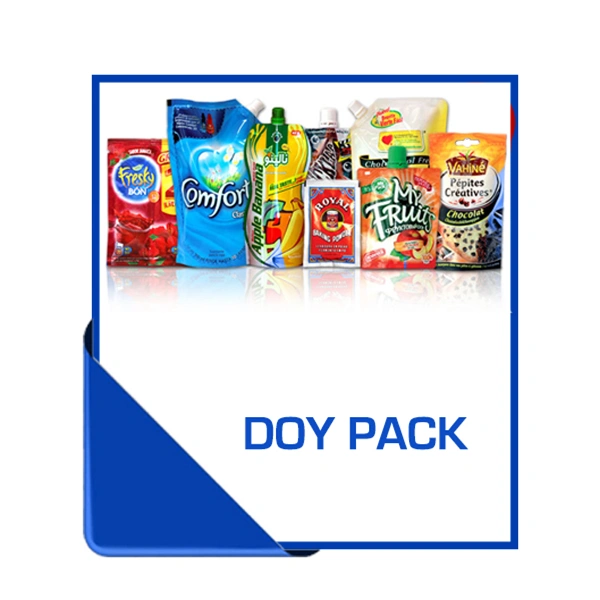
A doypack is a type of stand-up pouch with a bottom gusset that allows it to stand upright on shelves. A doypack packing machine is designed to run this pouch style efficiently and cleanly.
Best for:
Snacks, nuts, coffee, pet food
Liquids and sauces (with spout options depending on setup)
Premium retail products that need strong shelf presence
Premade pouch machines are used when you want to fill and seal ready-made pouches (often with premium features like zippers).
Common applications include:
Snacks: nuts, crisps, dried fruit, sweets
Powders: protein powder, spices, coffee, supplements
Granules: rice, sugar, salt, pet food
Liquids & sauces: sauces, oils, dressings, beverages (machine configuration dependent)
Household products: detergents, cleaning powders, soaps
Pharma & nutraceutical: tablets, capsules, powdered mixes
Sachet machines are used for small single-serve packs or sample-sized packaging, usually high volume.
Common applications include:
Food & drink: ketchup/mayo sachets, sugar sticks, instant coffee, seasoning
Powders: electrolyte sachets, collagen, vitamins, drink mixes
Liquids & gels: sauces, honey, syrups, sanitiser, lubricants
Cosmetics & personal care: shampoo, conditioner, lotions, face masks
Pharmaceutical samples: creams, gels, powders, single-dose products
Doypack machines are designed for stand-up pouches (bottom gusset) for strong shelf presentation.
Common applications include:
Snack & retail foods: nuts, granola, popcorn, dried fruit, confectionery
Coffee & tea: coffee beans/grounds, loose tea
Pet food: treats and dry pet food
Powders: supplements, drink mixes, baking powders
Liquids & sauces: sauces, soups, ready-to-drink products (with the right fill + pouch)
Frozen or chilled products: depending on film type and sealing requirements
Horizontal Fill-Seal packaging machines are widely used because they offer a reliable way to package many product types in pouch formats, with consistent results and strong presentation.
Horizontal systems are ideal for pouch-style packaging, producing clean, consistent packs that look great for retail and e-commerce.
Depending on the filling system, Horizontal Fill-Seal Packaging machines can handle:
Powders (coffee, spices, protein)
Granules (rice, sugar, salt)
Liquids (sauces, drinks, detergents)
Pastes & gels (creams, condiments)
Solid products (snacks, confectionery, hardware)
These machines are built to deliver repeatable seals for freshness and leak prevention, helping reduce waste and improve pack integrity.
HFS machines automate the key steps of packaging—feeding/forming, opening, filling, and sealing—so production can run faster and more consistently than manual packing.
Horizontal machines can support a range of pouch styles depending on configuration, including:
Premade pouches
Sachets
Doypacks (stand-up pouches)
Optional formats like zippers, tear notches, and gussets (machine + pouch dependent)
HFS lines can be integrated with equipment such as:
Date/batch coding
Checkweighers
Metal detection / X-ray
Conveyors and collection tables
Nitrogen flushing (for shelf-life, if required)
Because the process is automated, it can reduce reliance on manual packing while keeping output and pack quality consistent across shifts.
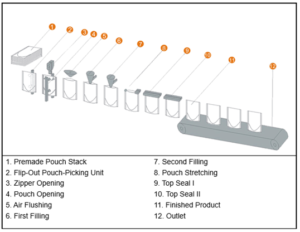
Most horizontal fill-seal setups follow the same basic steps:
Pouch is fed or formed (depending on machine type)
The pouch is opened and held in place
Product is filled (liquid, powder, granule, paste, etc.)
Air is removed, or gas is flushed (optional, for shelf-life)
Top is sealed (heat seal / ultrasonic, depending on material)
Finished pack is discharged (ready for boxing or cartoning)