
Automatic vs Manual Bottle Labeling is one of the most common comparisons businesses face when scaling production or improving packaging efficiency. Whether you’re a small startup hand-labeling bottles or a growing manufacturer looking to automate, choosing the right bottle labeling method has a direct impact on productivity, consistency, labour costs, and brand perception.
In this guide, we break down the key differences between automatic and manual bottle labeling, explore the pros and cons of each, and help South African manufacturers choose the most suitable solution for their operation.
Manual bottle labeling involves applying labels to bottles by hand or with the assistance of a basic handheld or semi-manual labeling device. This method is commonly used by startups, small-scale producers, and businesses with low daily production volumes.
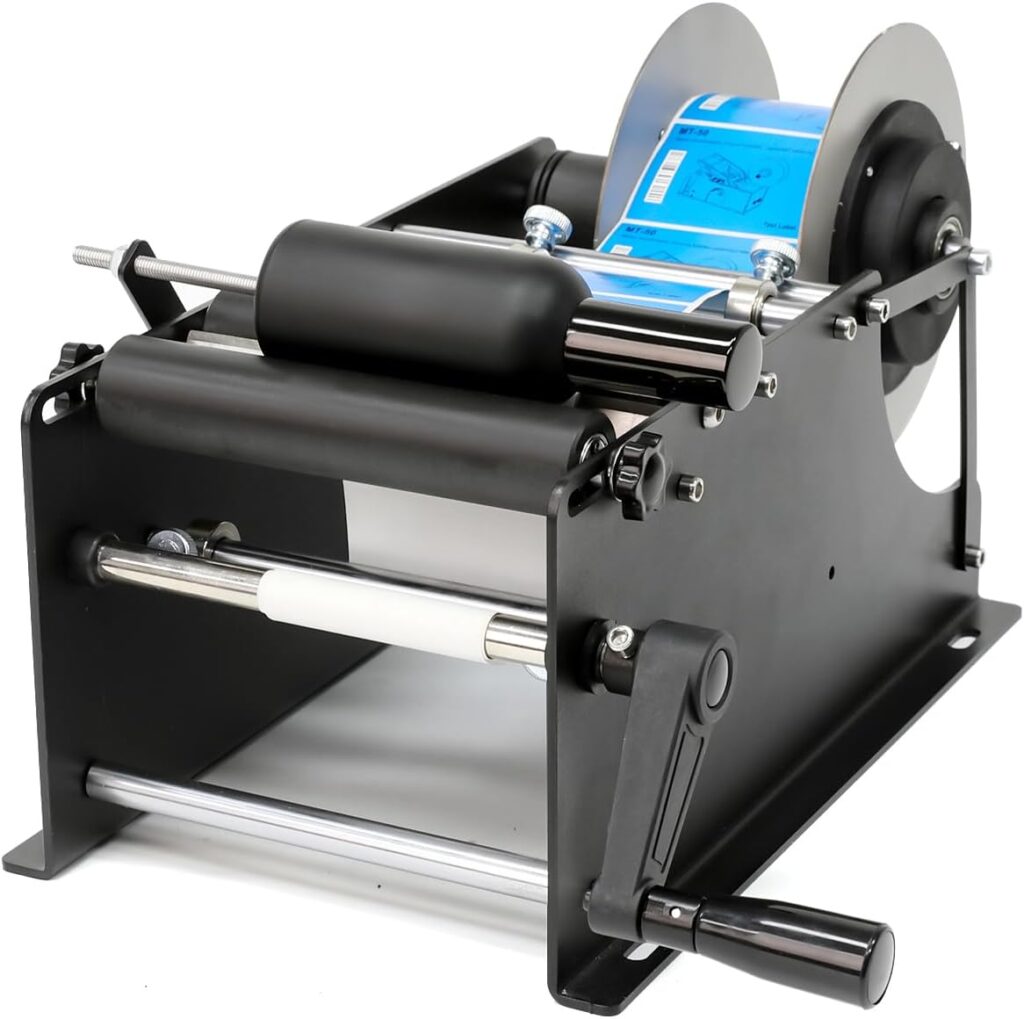
Low upfront cost
Simple to operate with minimal training
Ideal for short production runs or custom batches
Flexible for different bottle shapes and sizes
Slower production speed
Inconsistent label placement
Labour-intensive
Higher risk of human error
Not scalable for growing demand
Manual labeling may work well initially, but as order volumes increase, it often becomes a bottleneck in the packaging process.
Automatic bottle labeling machines are designed to apply labels accurately and consistently at high speeds. These machines integrate seamlessly into production lines and are widely used in food & beverage, pharmaceutical, cosmetic, chemical, and household product industries.
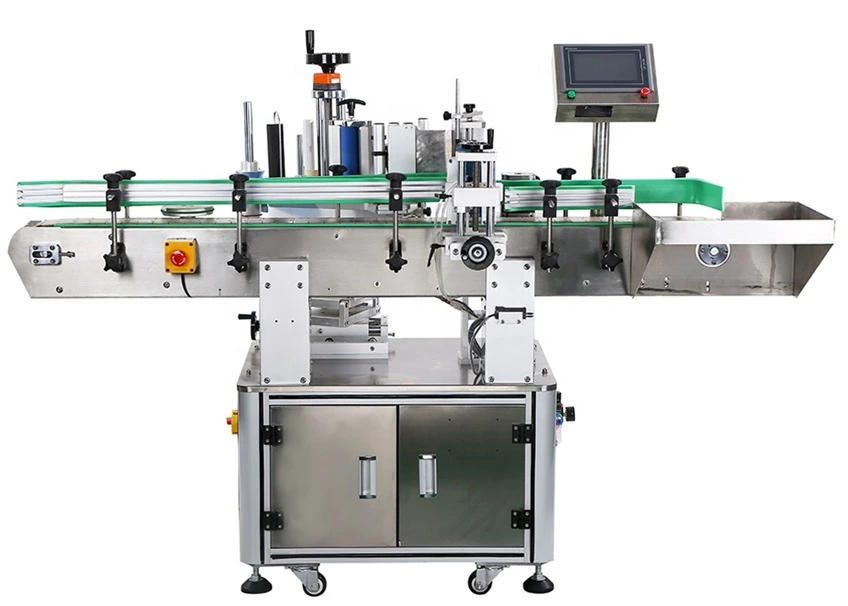
High-speed, continuous operation
Precise and consistent label placement
Reduced labour dependency
Improved product presentation
Scalable for growing production needs
Higher initial investment
Requires technical setup and maintenance
Less cost-effective for very low volumes
Despite the higher upfront cost, automation often delivers long-term savings through improved efficiency and reduced labour costs.
Manual labeling typically ranges from 10–20 bottles per minute, while automatic labeling machines can handle up to hundreds of bottles per minute, depending on the model.
Automatic machines ensure consistent label alignment, which is critical for retail compliance and brand perception. Manual labeling often results in uneven or misaligned labels.
Manual labeling has lower upfront costs but higher ongoing labour expenses. Automatic labeling offers a faster return on investment as production volumes increase.
If your business plans to grow, automatic labeling provides a future-proof solution that can scale with demand.
Manual labeling is best suited for:
Small businesses and startups
Low daily production volumes
Test batches or seasonal products
Limited floor space or budget constraints
If you’re producing a few hundred bottles per day, manual labeling may still be practical.
Automatic bottle labeling is ideal when:
Production volumes exceed 1,000 bottles per day
Labour costs are increasing
Consistency and speed are critical
You want to improve packaging efficiency
You’re supplying retail chains or export markets
For many South African manufacturers, automation becomes essential for maintaining competitiveness.
When comparing automatic vs manual bottle labeling, consider:
Daily and monthly production volumes
Label type (wrap-around, front & back, top labels)
Bottle shape and material
Available floor space
Budget and ROI expectations
Working with a local supplier ensures access to technical support, spare parts, and after-sales service.
Looking for the right solution for automatic vs manual bottle labeling? Our team specializes in bottle labeling machines and packaging automation solutions in South Africa.
Contact us today to discuss your production needs, request a quote, or book a consultation. We’ll help you choose a labeling solution that fits your business now — and as you grow.
The main difference is speed and consistency. Automatic labeling machines operate faster and deliver precise label placement, while manual labeling relies on human application.
Yes, especially for medium to high production volumes. The increased efficiency and reduced labour costs often result in a strong ROI.
Most modern machines can be adjusted for various bottle shapes and sizes with minimal changeover time.
Yes, but consistency and hygiene standards must be carefully maintained, especially for retail distribution.
Yes, we provide bottle labeling solutions with local support, installation, and maintenance across South Africa.