
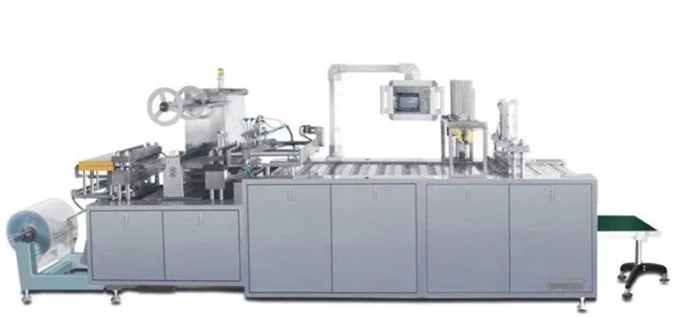
Blister packaging has long been a reliable solution for securing and displaying products in retail settings. This packaging method provides a protective barrier, enhances product visibility, and ensures tamper resistance, making it a preferred choice for a variety of industries. From stationery items like pens to personal care products such as razors, blister packaging is essential for modern businesses looking for secure and professional product presentation.
One of the most common uses of blister packaging machines is in the stationery industry. Products like pens are securely packaged in clear blister packs, allowing customers to see exactly what they are purchasing while keeping the items protected from damage or tampering.
Similarly, blister packaging is widely used for personal care items, particularly razors. These products require tamper-proof, durable packaging that also showcases the product effectively.
To see how semi-automatic blister packaging machines work, check out this video:
Blister packaging is also an essential part of the pharmaceutical industry. Pill packaging ensures that medications are kept in moisture-resistant, tamper-evident containers, maintaining product integrity. Blister packs allow for individual pill compartments, helping consumers keep track of dosages while preventing contamination. Whether for over-the-counter medications or prescription pills, blister packaging is a crucial component of the pharmaceutical supply chain.
Beyond pens, razors, and pills, blister packaging is widely used for a range of retail and industrial products, including:
Choosing between rotary and linear blister packaging machines depends on production needs and efficiency requirements. Here are the key differences and benefits of each:
Investing in a blister packaging machine offers several advantages for manufacturers and retailers:
Whether packaging pens, razors, medications, or small tools, blister packaging machines provide a flexible and secure solution for businesses across various industries. With the ability to accommodate different product sizes and packaging needs, these machines offer a cost-effective and protective solution that enhances product presentation and security. If your business is looking to invest in a blister packaging machine, now is the perfect time to explore the options available for your specific needs. Contact us today!
A blister packaging machine is equipment used to form plastic cavities (blisters), fill them with products, and seal them with a backing material such as aluminium foil, cardboard, or film. These machines are widely used in pharmaceutical, cosmetic, electronics, and consumer goods industries.
Blister packaging machines are considered versatile because they can package a wide range of product types, sizes, and shapes. They can handle tablets, capsules, small hardware items, cosmetics, batteries, and more — while offering different sealing materials and packaging formats.
Blister packaging machines are commonly used for:
Tablets and capsules
Medical devices
Vitamins and supplements
Electronics and small components
Cosmetic items
Consumer retail products
Their adaptability makes them suitable for multiple industries.
A blister packaging machine typically operates in stages:
Plastic film is heated and thermoformed into cavities
Products are placed into the formed blisters
A backing material is sealed onto the blister
The finished packs are cut and discharged
Modern machines automate this entire process for speed and consistency.
Blister packaging offers several advantages:
Product visibility for retail display
Tamper-evident sealing
Individual dose protection (especially for pharmaceuticals)
Extended shelf life
Reduced contamination risk
This makes blister packaging machines a preferred solution in regulated industries.
Thermoforming blister packaging machines use heat to shape plastic film into cavities. They are ideal for retail products requiring visibility.
Cold forming blister machines use pressure without heat and typically use aluminium foil. They provide superior moisture and light protection, commonly used in pharmaceuticals.
Yes. Blister packaging machines are widely used in pharmaceutical manufacturing because they provide:
Precise cavity formation
Hygienic packaging
Individual dose control
Tamper evidence
Regulatory compliance support
Many systems are designed to meet GMP requirements.
Yes. Blister packaging machines can integrate with:
Feeding systems
Cartoning machines
Printing and coding units
Vision inspection systems
Check weighers
This creates a fully automated packaging line for higher efficiency.
They improve efficiency by:
Automating forming, filling, and sealing
Reducing manual handling
Increasing production speed
Minimising product waste
Ensuring consistent seal quality
This results in stable, repeatable output.
Industries that benefit include:
Pharmaceuticals
Nutraceuticals
Cosmetics
Electronics
Food (single-serve items)
Industrial components
Their flexibility makes blister packaging machines suitable for both small and large-scale operations.
When selecting a blister packaging machine, consider:
Product size and shape
Required production speed
Material type (PVC, PET, aluminium foil)
Compliance requirements
Integration with existing equipment
Consulting with a packaging specialist ensures the correct configuration for your application.
Yes. Routine maintenance includes:
Cleaning forming and sealing stations
Inspecting heating elements
Checking sealing pressure and alignment
Replacing worn parts
Proper maintenance ensures consistent sealing and long-term reliability.