
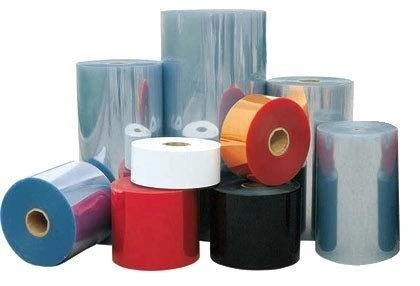
Flow Wrap Film Types Explained is one of the most common questions asked by manufacturers investing in horizontal flow wrapping systems. Choosing the correct film is just as important as selecting the right packaging machine — especially for food, medical, and FMCG manufacturers in South Africa.
If your film selection is wrong, you may experience poor sealing, product spoilage, machine downtime, or unnecessary packaging costs. In this guide, we break down the most commonly used flow wrap films, their properties, and how to choose the right one for your application.
Flow wrapping is a horizontal packaging process where products are wrapped in film, sealed on three sides, and discharged as finished packs. It is commonly used for:
Biscuits
Chocolate bars
Fresh produce
Bakery items
Medical devices
Hardware products
Flow wrap machines are sometimes referred to as horizontal form fill seal machines (HFFS), but the film used plays a critical role in packaging performance.
Understanding film structure and material composition will help you make the right decision.
Best for: Biscuits, confectionery, bakery products, snacks
BOPP is the most commonly used flow wrap film in South Africa.
Benefits:
Excellent clarity and gloss
Good moisture barrier
Cost-effective
Suitable for high-speed machines
Limitations:
Moderate oxygen barrier
Not ideal for products requiring extended shelf life
BOPP is ideal for dry food applications where moisture protection is required but high oxygen barrier properties are not critical.
Best for: Bakery, textiles, medical products
CPP film is softer and offers better heat seal strength compared to BOPP.
Benefits:
Strong seal integrity
Better puncture resistance
Suitable for heavier products
Limitations:
Less stiffness than BOPP
Slightly higher cost
CPP is commonly used when packaging products that require stronger seals or added durability.
Best for: Coffee, chocolates, high-value food products
Laminated films combine two or more materials (e.g., BOPP + PE or PET + PE) to improve barrier properties.
Benefits:
Enhanced oxygen and moisture barrier
Improved shelf life
Stronger structural integrity
Limitations:
Higher cost
More complex recycling
For manufacturers needing extended shelf life, laminated films are often the best option.
Best for: Chips, coffee, high-fat foods
Barrier films are designed to block oxygen, moisture, and light.
Thin aluminium layer
Improved moisture and oxygen barrier
Attractive premium appearance
Advanced multi-layer structure
Maximum product protection
Ideal for export products
These films are especially important for South African manufacturers distributing products nationwide or exporting to neighbouring countries.
With growing sustainability demands in South Africa, mono-material recyclable films are becoming increasingly popular.
Benefits:
Reduced environmental impact
Compliance with retailer sustainability requirements
Improved brand perception
Many retailers are now requiring recyclable packaging formats, making this a key consideration when selecting film.
When selecting film, consider:
Is it dry, oily, fresh, frozen, or fragile?
Do you need short-term protection or extended preservation?
Your flow wrap machine must match:
Film thickness
Sealing temperature
Speed capability
South Africa’s climate varies significantly. Heat and humidity impact film performance.
Cheaper film may result in higher wastage or product returns.
Incorrect film choice can lead to:
Poor seal quality
Product contamination
Reduced shelf life
Increased downtime
Higher operational costs
Working with a packaging machinery specialist ensures your film and machine work together efficiently.
At SA Packaging Machinery, we help manufacturers test and optimise packaging materials for maximum performance and cost efficiency.
If you need help selecting the correct flow wrap film types for your application, our team can assist with:
Flow wrap machine recommendations
Film compatibility testing
Packaging automation advice
Cost optimisation strategies
Contact SA Packaging Machinery today to discuss your packaging requirements and get expert advice tailored to your production environment in South Africa.
Visit: www.sapackman.co.za
Email: sales@sapackman.co.za
Phone: 082 852 1458
BOPP is the most widely used film due to its cost-effectiveness and clarity.
Laminated or high-barrier films provide better moisture and oxygen protection.
Yes, mono-material recyclable films are increasingly available in South Africa.
Typical thickness ranges between 20–40 microns, depending on the application.
Yes. Some films seal faster and perform better at high speeds than others.