
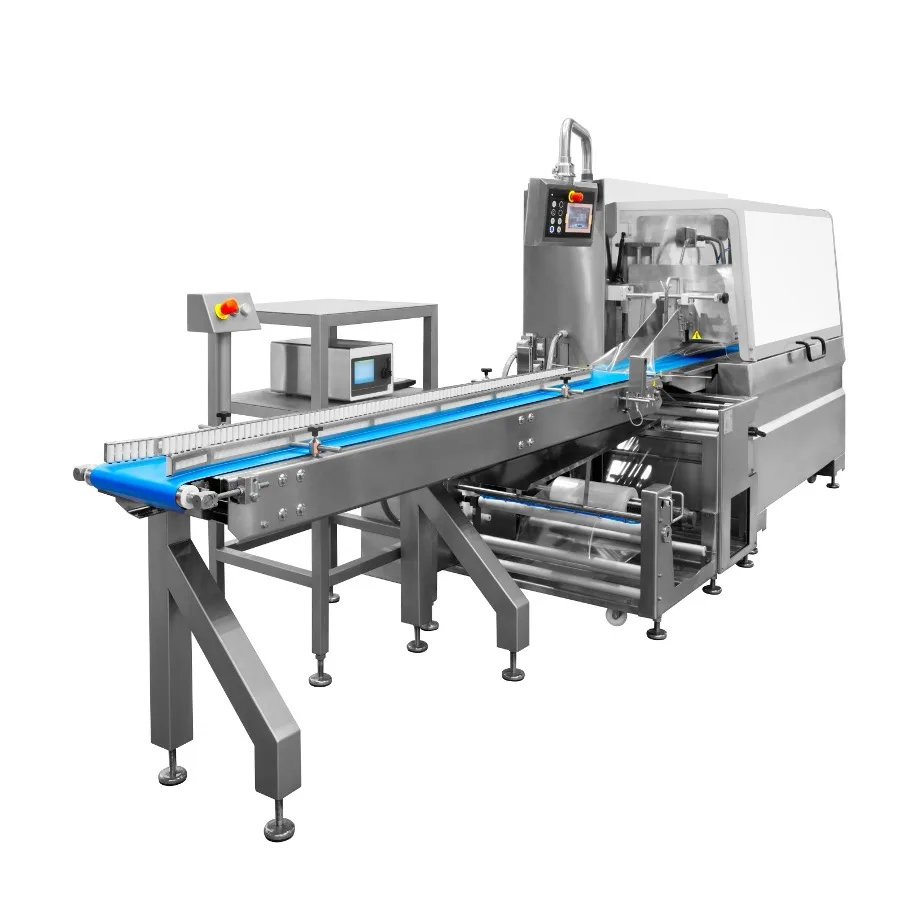
Flow wrap for confectionery packaging has become one of the most efficient and reliable ways to package sweets, chocolates, candy bars, and other confectionery products. As demand for packaged sweets continues to grow, manufacturers require packaging solutions that are fast, hygienic, visually appealing, and capable of protecting delicate products during transport and storage.
Flow wrapping technology offers confectionery producers a versatile and cost-effective packaging method that maintains product freshness while delivering strong shelf appeal. In this guide, we explore how flow wrap systems work, their advantages for confectionery production, and why they are widely used across the food manufacturing industry.
Flow wrap for confectionery packaging refers to a horizontal packaging process where individual sweets or confectionery products are wrapped in a continuous film. The packaging material is formed around the product and sealed along the back and ends to create a tight, protective package.
This process is typically performed using Horizontal Flow Wrapping Machines (HFFS), which are widely used for packaging:
Chocolate bars
Candy bars
Chewing gum packs
Toffees
Nougat bars
Marshmallow treats
Biscuits with chocolate coating
Individually wrapped sweets
The result is a sealed pillow-style package that protects the confectionery product while keeping it visually attractive for retail shelves.
Confectionery manufacturers choose flow wrapping because it offers several operational and product benefits.
The confectionery industry often operates with extremely high production volumes. Flow wrap machines can package hundreds of products per minute, making them ideal for mass production environments.
High-speed automation allows manufacturers to:
Increase productivity
Reduce manual labour
Improve packaging consistency
Many confectionery products are sensitive to environmental conditions such as moisture, air, and contamination.
Flow wrapping provides:
Airtight seals
Moisture protection
Protection from dust and contaminants
Extended product shelf life
This ensures the sweets maintain their taste, texture, and quality from factory to consumer.
Packaging plays a major role in confectionery sales. Flow wrapping allows manufacturers to use printed films and branded packaging designs that attract consumer attention.
Benefits include:
Bright and colourful branding
Clear product visibility (using transparent films)
Retail-ready packaging formats
This combination of protection and visual appeal helps confectionery brands stand out in competitive retail environments.
Flow wrap systems can handle a wide variety of confectionery products with minimal adjustments.
Manufacturers can package:
Small sweets
Individually wrapped chocolates
Multi-packs
Seasonal confectionery items
With adjustable forming boxes and sealing systems, a single flow wrap machine can accommodate multiple product formats.
Flow wrap packaging is also highly economical for confectionery manufacturers.
Cost advantages include:
Lower packaging material usage
Reduced labour costs through automation
Minimal product waste
Efficient production speeds
These benefits help manufacturers maintain profitability while scaling production.
Flow wrap packaging is typically performed using horizontal form fill seal machines.
These machines perform three main steps:
Product Feeding – Confectionery products move along a conveyor into the packaging system.
Film Wrapping – Packaging film is formed around the product.
Sealing and Cutting – The machine seals the package and cuts individual units.
Modern flow wrap systems may also include:
Automatic feeding systems
Date coding
Gas flushing for extended shelf life
Metal detection integration
These technologies help confectionery manufacturers maintain food safety and packaging efficiency.
Different films can be used depending on the confectionery product.
Popular packaging materials include:
BOPP (Biaxially Oriented Polypropylene) – widely used for sweets and chocolate bars
Laminated films – provide enhanced barrier protection
Metalized films – protect against light and oxygen
Compostable or recyclable films – for sustainable packaging
Choosing the right film ensures the product remains fresh and visually appealing.
When selecting flow wrap for confectionery packaging, manufacturers should consider:
Production speed requirements
Product size and shape
Packaging material compatibility
Hygiene and food safety standards
Integration with existing production lines
Working with an experienced packaging machinery supplier ensures the correct solution is implemented for long-term production efficiency.
If your confectionery business is looking for reliable flow wrap packaging solutions, SA Packaging Machinery can help.
Our team specializes in supplying high-quality packaging equipment designed to improve production efficiency and product protection.
Contact us today to discuss your packaging needs:
SA Packaging Machinery
Website: https://sapackagingmachinery.co.za
Email: sales@sapackagingmachinery.co.za
Our experts will help you find the ideal packaging solution for your confectionery products.
Flow wrap packaging is used to wrap individual sweets, chocolates, candy bars, and other confectionery products in sealed protective film packaging.
Horizontal flow wrapping machines (HFFS machines) are commonly used to package confectionery products quickly and efficiently.
Typical materials include BOPP films, laminated films, metalized films, and increasingly recyclable or compostable packaging films.
Flow wrapping offers high production speeds, strong product protection, attractive packaging, and cost-effective automation.
Yes. Flow wrap machines can be adjusted to accommodate different product sizes and packaging formats.