
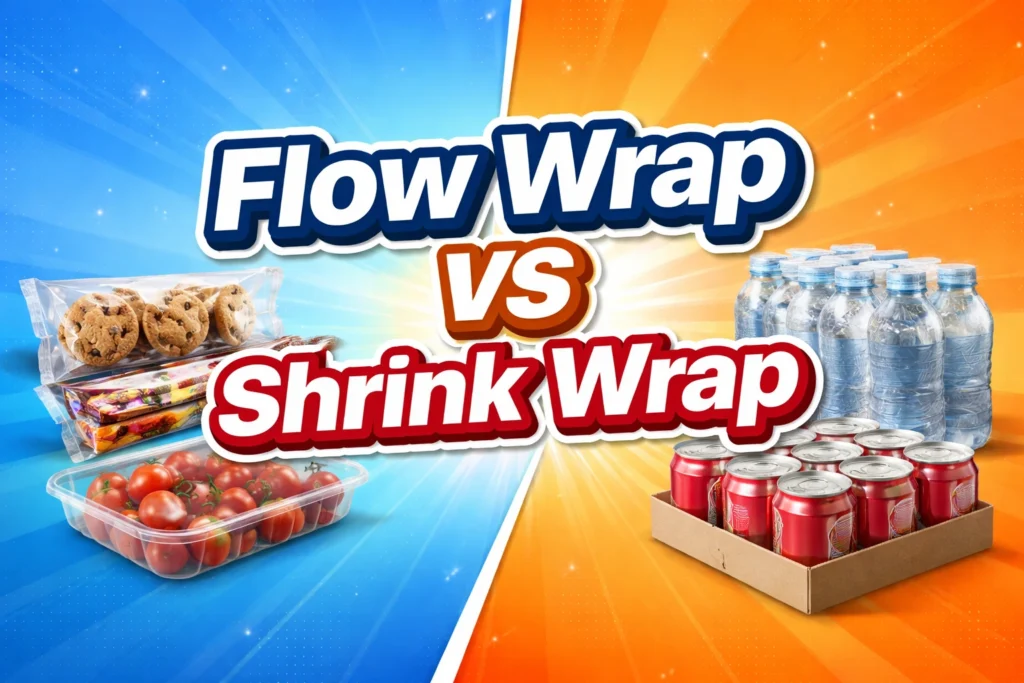
When comparing Flow Wrap vs Shrink Wrap, many manufacturers, food processors, and distributors struggle to determine which packaging solution best suits their product and production needs. While both methods use plastic film for wrapping, they differ significantly in application, machinery, cost, protection level, and product presentation.
Understanding the key differences between Flow Wrap and Shrink Wrap will help you choose the most efficient, cost-effective, and scalable packaging solution for your business.
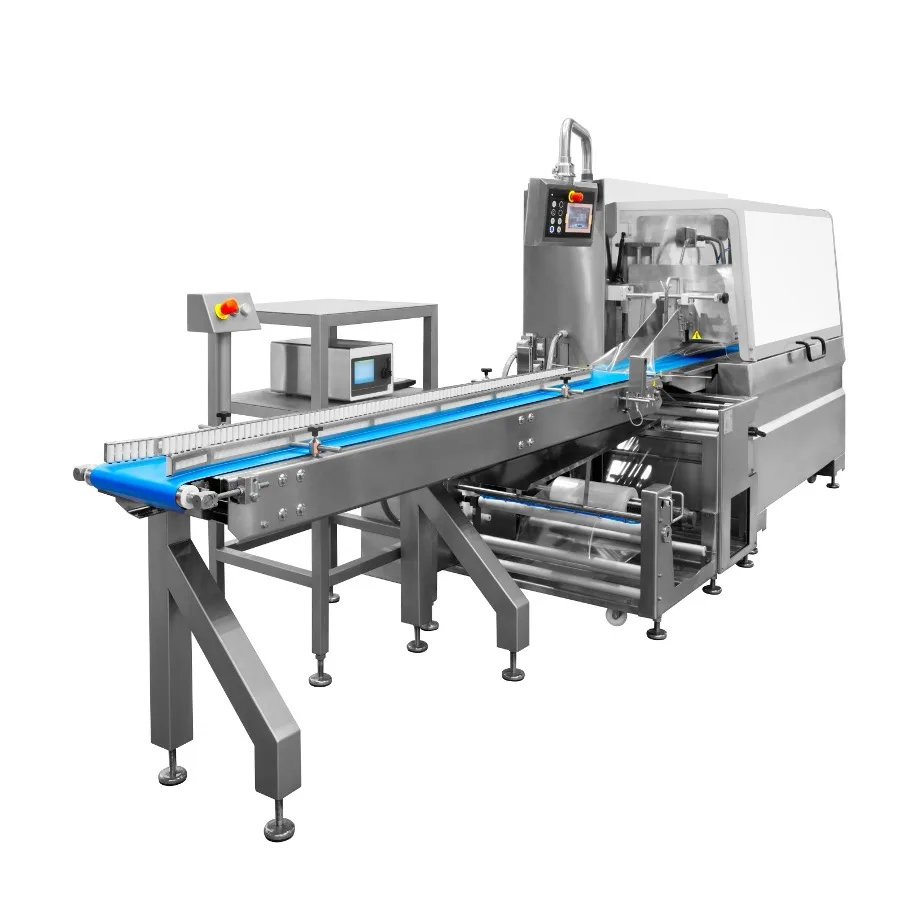
Flow wrapping (also called horizontal form fill seal – HFFS) is a packaging process where products are wrapped in a continuous roll of film, sealed longitudinally along the bottom, and sealed on both ends to create a tight pillow-style pack.
Flow wrap machines are commonly used for:
Bakery products
Biscuits and snack bars
Fresh produce
Medical devices
Confectionery
Hardware items
The product moves horizontally through the machine while the film forms around it, making this method ideal for high-speed production environments.
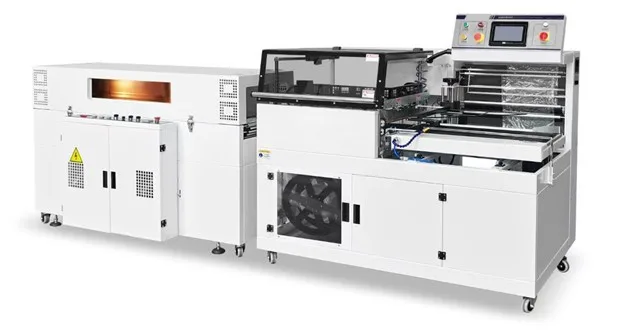
Shrink wrapping involves placing a product inside a shrink film sleeve or bag, then applying heat using a shrink tunnel or heat gun. The heat causes the film to shrink tightly around the product.
Shrink wrap is typically used for:
Multipacks (bottles, cans, cartons)
Beverage bundling
Household cleaning products
Pallet wrapping
Promotional packs
Unlike flow wrap, shrink wrap requires a secondary heat process to achieve the tight finish.
Film forms around product
Sealed with crimp jaws
No external heat tunnel required
Fully automated and continuous
Product inserted into film sleeve
Requires heat tunnel
Film shrinks tightly after heating
Can be semi-automatic or automatic
If you need high-speed, continuous packaging, flow wrap is typically more efficient.
Clean, professional pillow-pack appearance
Excellent printable surface area
Ideal for retail-ready packaging
Transparent, tight finish
Often used to group multiple items
Less branding space unless printed film is used
For retail shelf appeal, flow wrapping is often preferred.
High-speed capability
Designed for continuous production lines
Ideal for FMCG manufacturing
Slightly slower due to heat tunnel process
Great for secondary packaging
Suitable for bundling operations
If production efficiency is your top priority, flow wrapping may deliver better throughput.
When evaluating Flow Wrap vs Shrink Wrap, cost depends on:
Film type and thickness
Machine automation level
Energy consumption
Production speed
Flow wrap machines may require higher initial investment but offer strong ROI in high-volume environments. Shrink wrap systems can be more affordable upfront, especially for bundling or transport packaging.
| Application | Flow Wrap | Shrink Wrap |
|---|---|---|
|
Individual food items |
✅ |
❌ |
|
Multipacks |
❌ |
✅ |
|
Bakery products |
✅ |
❌ |
|
Beverage bundling |
❌ |
✅ |
|
Medical products |
✅ |
❌ |
|
Transport protection |
⚠️ |
✅ |
Ask yourself:
Is this primary or secondary packaging?
Does the product require airtight sealing?
Is branding important?
What production speed is required?
Is bundling multiple products necessary?
If you are packaging individual consumer goods for retail, flow wrap is often the better solution.
If you are grouping products for transport or promotional multipacks, shrink wrap is likely the better option.
In competitive markets, packaging impacts:
Shelf life
Retail appeal
Logistics efficiency
Production costs
Compliance with food safety standards
Selecting the wrong packaging system can lead to product damage, inefficiencies, or unnecessary expenses.
Working with a trusted packaging machinery supplier ensures you invest in the correct solution tailored to your product and production goals.
Not sure whether Flow Wrap vs Shrink Wrap is right for your application?
At SA Packaging Machinery, we help South African manufacturers choose the most efficient and cost-effective packaging solutions for their production lines.
Flow wrap forms and seals film around a product in one continuous process, while shrink wrap requires heat to shrink film tightly around the product after sealing.
Flow wrap is typically better for food packaging because it provides superior sealing and barrier protection.
Shrink wrap systems can have lower initial costs, but flow wrap may offer better long-term ROI for high-volume production.
It can, but it is more commonly used for secondary packaging or bundling applications.
Flow wrap machines are generally faster and more suitable for continuous production environments.