
When comparing HFFS vs VFFS, South African manufacturers often struggle to determine which packaging solution best suits their production requirements. Both systems are highly efficient form-fill-seal technologies, but they serve different industries, product types, and operational needs.
In this guide, we break down the key differences between horizontal form fill seal (HFFS) and vertical form fill seal (VFFS) machines to help you make an informed investment decision.
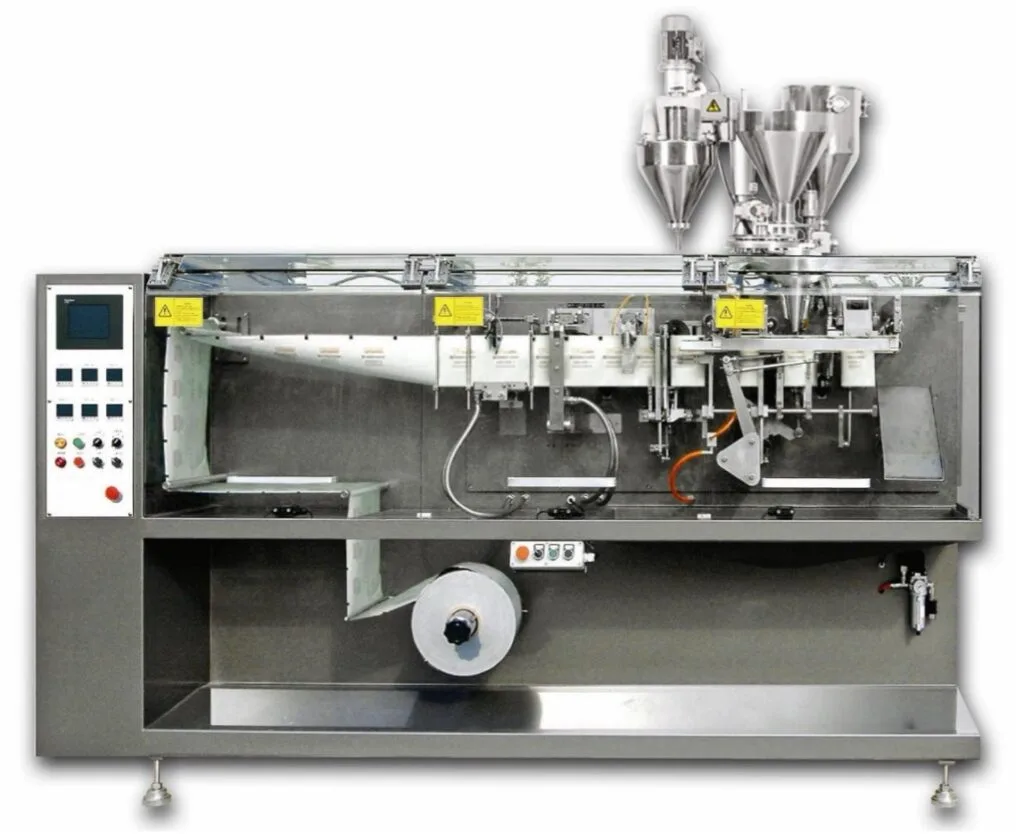
Horizontal Form Fill Seal (HFFS) machines operate horizontally and are commonly used for packaging solid, single-piece, or tray-based products.
HFFS machines form the packaging film into a horizontal tube, insert the product, and then seal and cut the package. They are often used in industries such as:
Biscuits and baked goods
Medical devices
Hardware components
Frozen foods
Confectionery
HFFS systems are widely known for producing pillow packs, flow wraps, and modified atmosphere packaging (MAP).
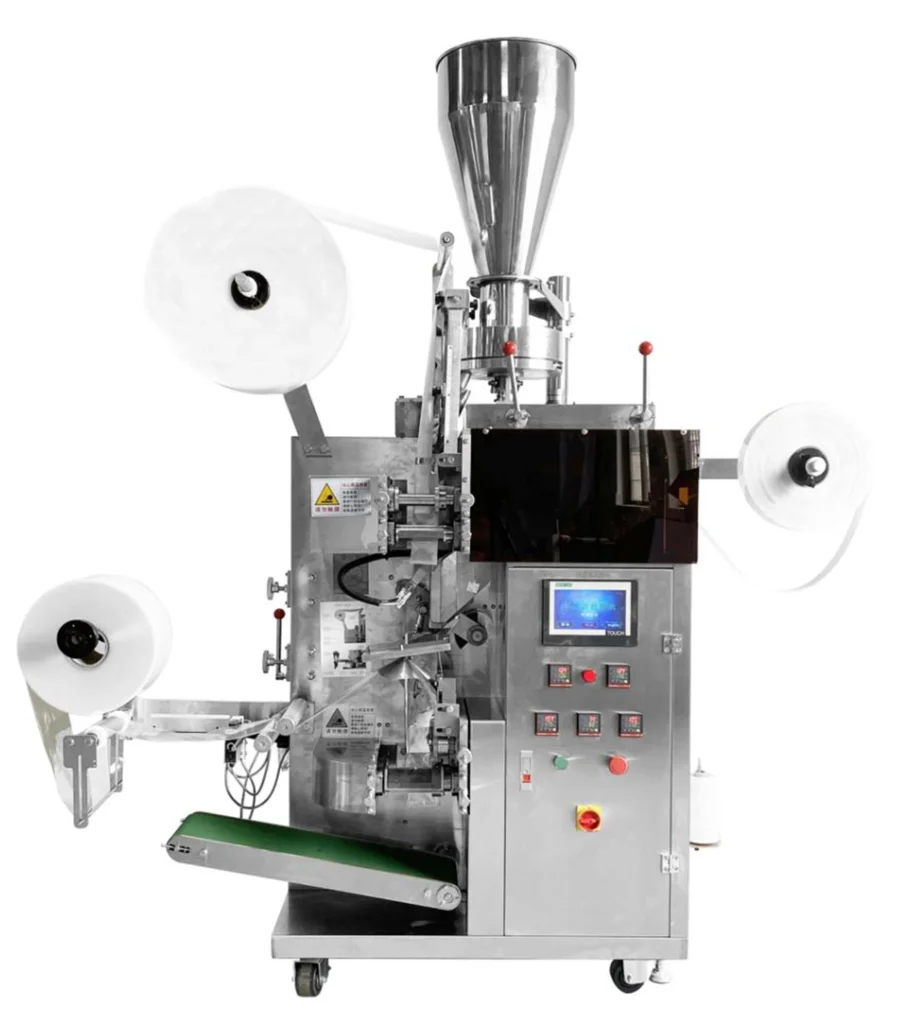
Vertical Form Fill Seal (VFFS) machines operate vertically and are typically used for free-flowing products such as powders, granules, and liquids.
The machine forms a vertical tube of packaging film, fills it from the top, and seals it at the bottom and top before cutting.
Common VFFS applications include:
Rice and grains
Coffee and sugar
Snacks and chips
Liquids and sauces
Detergents and chemicals
VFFS systems are popular for producing sachets, stick packs, and pillow bags.
The most obvious difference in HFFS vs VFFS is orientation:
HFFS = Horizontal product flow
VFFS = Vertical gravity-fed filling
If your product benefits from gravity feeding (like grains or powders), VFFS is usually the better choice.
HFFS machines are ideal for:
Solid items
Fragile products
Tray-based goods
Irregular shapes
VFFS machines are ideal for:
Powders
Granules
Liquids
Small particulate products
Choosing the wrong system can affect seal integrity and packaging efficiency.
In South African production facilities where space optimization is critical:
VFFS machines generally require less floor space due to their vertical design.
HFFS machines may require more horizontal space but allow more complex packaging formats.
Both systems can operate at high speeds, but:
VFFS machines are often more efficient for bulk packaging and high-volume production.
HFFS machines are preferred for premium retail packaging with precise product placement.
HFFS Packaging Options:
Flow wrap packs
Modified atmosphere packaging (MAP)
Four-side seal packs
VFFS Packaging Options:
Pillow bags
Gusseted bags
Sachets
Quad seal bags
When evaluating HFFS vs VFFS, cost depends on:
Product type
Required speed
Automation level
Film type
Integration with existing systems
VFFS machines are often more cost-effective for high-volume commodity packaging. HFFS machines may involve higher investment but offer premium presentation and advanced sealing options.
There is no universal answer in the HFFS vs VFFS debate.
Ask yourself:
What product are you packaging?
Is it solid, powder, or liquid?
What packaging style is required?
What is your monthly production target?
How much floor space is available?
For example:
Rice manufacturers in South Africa typically benefit from VFFS.
Biscuit and confectionery producers often require HFFS flow wrapping.
The right solution depends on your operational goals, industry standards, and expansion plans.
At SA Packaging Machinery, we supply and install both HFFS and VFFS systems tailored to:
Food processing plants
Agricultural packhouses
Chemical manufacturers
Pharmaceutical companies
FMCG production facilities
We provide full consultation, installation, training, and after-sales technical support across South Africa.
HFFS stands for Horizontal Form Fill Seal.
VFFS stands for Vertical Form Fill Seal.
It depends on the food type. Solid items work well with HFFS, while grains and powders are better suited to VFFS.
VFFS machines are generally more cost-effective for high-volume bulk packaging, but total cost depends on specifications.
Yes. Both HFFS and VFFS machines can integrate with automated feeding, weighing, coding, and end-of-line systems.
Looking to invest in the right form fill seal machine?
Our technical team will assess your product, production volume, and facility requirements to recommend the best solution.
Call us today
Email our sales team
Visit: https://www.sapackman.co.za
Let’s optimise your packaging line for efficiency, speed, and profitability.