Premade pouch filling machines are rewriting the rules for pet food packaging in South Africa, and if you're still forcing chunky kibble through a vertical bagger, you're fighting a losing battle. Walk through any Woolworths or Pick n Pay these days and you'll notice something: premium pet food brands have gone all-in on stand-up pouches. Glossy, colourful, standing proud on the shelf like they own the place.
But here's what most factory owners don't realise — those pouches weren't made on a vertical bagger. They were filled on a horizontal form-fill-seal system, and there's a bloody good reason why.
If you're running chunky kibble or meaty pet food through a VFFS machine and wondering why you're getting spillage, crooked seals, or pouches that won't stand straight, you're not alone. Vertical systems were built for free-flowing products like coffee or rice — not the stuff that goes into Fido's bowl. Let's talk about why pet food brands are making the switch to premade pouch filling machines, and why your production line might need to do the same.
Table of Contents
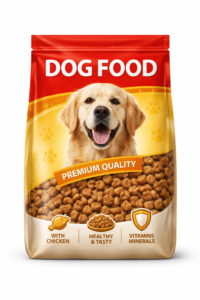
Vertical form-fill-seal machines were designed for gravity-fed, free-flowing products — think sugar, flour, or ground coffee. When you drop chunky kibble or meaty bits through a narrow forming tube, you get bridging, jamming, and spillage all over the film. Film forming on the fly means the pouch shape is only as good as the tension and heat settings, and pet food particulates mess with both.
You end up with crooked seals, weak bottom gussets, and pouches that tip over the moment they hit the shelf. Your operators spend half their shift clearing jams and adjusting settings instead of actually packing product. The machine's fighting the product instead of working with it, and that's a battle you can't win long-term.
The real kicker? Pet food isn't getting any easier to handle. Brands are adding freeze-dried meat chunks, whole kibble pieces, and textured blends because that's what sells. Your VFFS machine wasn't built for that world, and forcing it to adapt is costing you in downtime, waste, and missed production targets.
HFFS machines don't form the pouch — they fill pre-made bags that arrive already shaped, branded, and gusseted. The fill station is wider and gentler, so chunky kibble drops in without getting crushed or caught. Pouches are held upright and stable during filling, which means accurate dosing and clean seals every time.
Because the pouch is already formed, you're not fighting film tension, heat variance, or registration issues. The machine grabs a pouch from the magazine, opens it, fills it, seals it, and sends it down the line. Simple, reliable, and built specifically for products that don't behave like sand.
The horizontal form fill seal approach treats the pouch as a finished container, not something you're building and filling at the same time. That single change eliminates about 70% of the headaches you're dealing with on a vertical line.
Key Takeaways

Pre-made pouches are printed off-line using rotogravure or flexo — the same quality you'd see on a chocolate bar or coffee bag. Your branding stays sharp, colours stay vibrant, and there's no risk of print distortion from forming heat. You can add matte finishes, soft-touch coatings, metallic layers, and transparent windows — none of which work on VFFS film rolls.
In the premium pet food category, packaging is half the battle, and premade pouch filling machines let you punch above your weight. When a customer's choosing between your brand and the competitor next to it, the one with the crisp graphics and matte finish wins. That's not marketing fluff — that's retail reality.
According to the Flexible Packaging Association, brands using high-quality pre-printed pouches see up to 23% higher shelf velocity compared to generic film-formed bags. Your packaging either opens the door for a first purchase or it doesn't. Once they've tried your product, quality keeps them coming back. But you need that first sale, and that happens at the shelf.
Stand-up pouches only work if they actually stand up — sounds obvious, but plenty of VFFS pouches slouch like they've given up on life. Horizontal pouch fillers use engineered bottom gussets that lock into place once filled, creating a stable base. A pouch that stands proud gets noticed; one that tips over gets passed by for the competitor next to it.
Retailers care about shelf presentation, and brands that deliver stable, attractive pouches get better placement and repeat orders. You're not just competing on product quality anymore — you're competing on how your product presents itself in a crowded aisle. A premade pouch filling machine gives you the tools to win that fight.
Talk to any retail buyer and they'll tell you the same thing: products that fall over or look cheap get moved to lower shelves or delisted entirely. Premium shelf space goes to brands that respect the retail environment. Your packaging is your first sales rep, and it needs to perform like one.
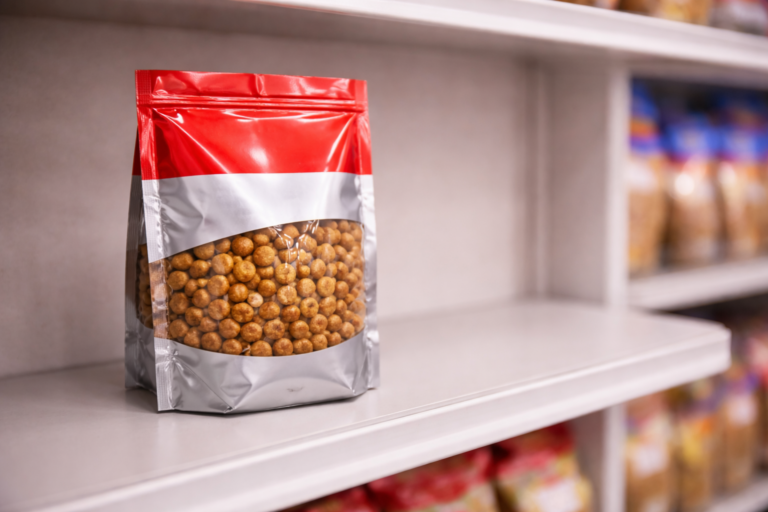
If you're running multiple SKUs — different sizes, flavours, or product lines — changeover speed is everything. VFFS machines require film roll swaps, tension adjustments, and re-registration, which can eat 45 to 90 minutes per changeover. That's an hour of dead time where you're paying operators and electricity but packing nothing.
Horizontal pouch fillers? You load a new stack of premade pouches, adjust the fill weight, and you're back in production in 10 to 15 minutes. That flexibility means you can run smaller batches economically and respond faster to retailer orders or seasonal demand.
Most South African pet food brands run 6 to 12 SKUs across their range. On a VFFS line, that means constant changeovers and lost production time. On an HFFS line, it means flexibility and the ability to actually meet demand without building inventory you don't need.
If you're packaging fine, free-flowing products like rice, lentils, or ground supplements, VFFS machines are brilliant — fast, simple, and cheap to run. For high-volume, single-SKU operations where branding takes a back seat to throughput, vertical baggers can still compete. But for chunky kibble, meaty blends, freeze-dried treats, or any premium pet food where packaging sells the product, horizontal is the smarter bet.
It's not about one machine being better — it's about matching the tool to the job, and for pet food, that job demands stability and presentation. If you're running a commodity product in bulk bags for the agricultural market, stick with vertical. If you're competing in retail and trying to build a brand, you need the capabilities that only a premade pouch filling machine delivers.
The other reality? You might need both. Plenty of operations run VFFS for high-volume basic SKUs and HFFS for premium lines. That's not indecision — that's smart production planning. The key is knowing which products need which approach and not trying to force a vertical bagger to do a job it wasn't designed for.
| Feature | VFFS (Vertical Bagger) | HFFS (Horizontal Pouch Filler) |
|---|---|---|
| Handles chunky kibble | Struggles with large pieces | Handles up to 20mm chunks cleanly |
| Print quality | Can distort during forming | Pre-printed pouches = perfect branding |
| Pouch stability | Often slouches on shelf | Engineered gussets stand upright |
| Changeover time | 45–90 minutes (film swap) | 10–15 minutes (pouch swap) |
| Premium features (zippers, windows) | Limited options | Wide range available |
Get in touch
SA Packman works with manufacturers across South Africa to find the right machine for your line — and we give you a straight answer, not a sales pitch. Get in touch with our team at sapackman.co.za for a no-obligation quote.
Contact SA PackmanQ: Can a premade pouch filling machine handle wet pet food as well as dry kibble?
Absolutely. Horizontal pouch fillers can run wet, semi-moist, and dry products — just swap out the dosing system. Volumetric cups for kibble, auger fillers for ground meat, or multi-head weighers for chunky stews. The same machine that fills dry kibble in the morning can run wet food in the afternoon with a quick changeover. You're not locked into one product type like you often are with vertical systems.
Q: Do I need a separate machine for different pouch sizes?
Not at all. Most HFFS machines use quick-change tooling that adjusts to different pouch widths and heights in minutes. You can run 500g pouches in the morning and 2kg bags in the afternoon. The flexibility is one of the biggest advantages — you're not investing in dedicated lines for each SKU. One machine handles your entire range if you plan it properly.
Q: What's the learning curve like for operators coming from VFFS systems?
Surprisingly short. Most operators pick up horizontal pouch filling in a day or two because there's less to manage — no film tension, no forming temperature curves, no registration headaches. You're loading pouches, setting fill weights, and monitoring seals. The machine does the heavy lifting. Operators usually prefer HFFS systems because there's less troubleshooting and fewer variables to fight.
Q: Can I use my existing film supplier or do I need special pouches?
You'll need premade pouches, not film rolls, so that's a supply chain shift. But most film suppliers either make pouches or can connect you with converters who do. The advantage is you're buying finished pouches that arrive ready to fill, so your supplier handles the printing, forming, and quality control. You're outsourcing the complexity and keeping the simple part in-house.
Q: How does throughput compare between VFFS and HFFS for pet food specifically?
For pet food, horizontal systems often match or exceed VFFS throughput because you're not dealing with jams, film breaks, or constant adjustments. A modern HFFS line runs 40 to 80 pouches per minute depending on fill weight, and it maintains that speed consistently. VFFS might claim higher theoretical speeds, but actual uptime and real-world output tell a different story when you're running difficult products.
Q: What maintenance differences should I expect between the two systems?
HFFS machines generally need less daily maintenance because you're not running film through forming stations, heat tunnels, and registration systems. You're maintaining a pick-and-place mechanism, a dosing system, and a sealer. Simpler mechanics, fewer wear points. Most operations report lower maintenance costs over the machine's lifetime, though you should still budget for regular servicing and parts replacement like any production equipment.