
How to Choose the Right Packaging Machine is one of the most important decisions a growing manufacturing or production business will make. When it comes to flow wrapping, selecting the correct machine can significantly impact your production speed, product quality, labour costs, and long-term profitability.
If you’re considering investing in a flow wrap system in South Africa, this guide will walk you through everything you need to evaluate before making your decision.
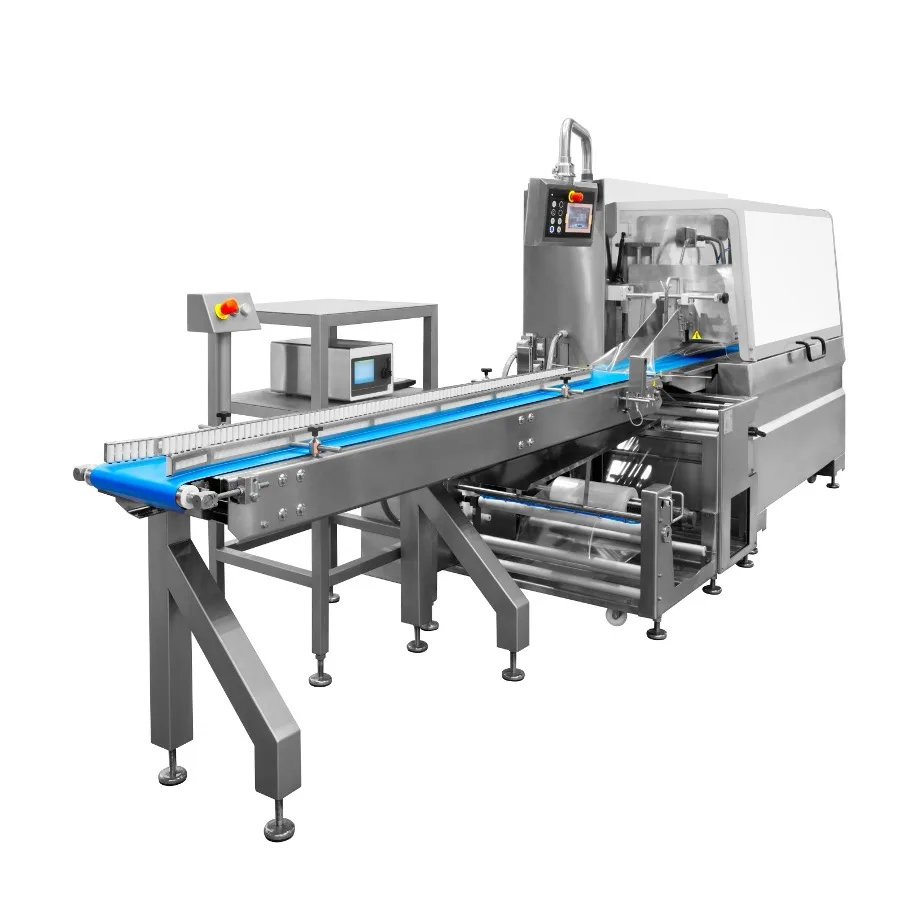
A flow wrap machine, also known as a horizontal flow wrapping machine, is designed to wrap products in a continuous roll of film. The product moves horizontally along a conveyor, where it is sealed and cut into individual packages.
Flow wrapping is commonly used for:
Food products (biscuits, chocolates, bakery items)
Medical supplies
Hardware components
Soap and hygiene products
Stationery and consumer goods
This packaging method offers speed, consistency, and a professional retail-ready finish.
Selecting the wrong packaging equipment can lead to:
Production bottlenecks
Excess film waste
Poor seal integrity
Increased downtime
Higher maintenance costs
That’s why understanding how to choose the right packaging machine for your specific production environment is critical.
Before looking at machinery, define:
Product dimensions (length, width, height)
Product shape (rigid, fragile, irregular)
Product weight
Required packaging material
Different products require different sealing systems, film types, and feeding mechanisms. For example, bakery products may require modified atmosphere packaging (MAP), while hardware items need stronger sealing.
Ask yourself:
How many units per minute do you need to produce?
Is your demand seasonal or consistent?
Are you planning to scale within 12–24 months?
Entry-level flow wrap machines may run at 30–60 packs per minute, while high-speed automated systems can exceed 200 packs per minute.
Choosing a machine that matches both current and future output prevents costly upgrades later.
When learning how to choose the right packaging machine, automation level is a major factor.
Lower upfront investment
Suitable for small to medium businesses
Requires operator feeding
Higher production speeds
Reduced labour costs
Ideal for large-scale manufacturing
If you’re a growing South African manufacturer, automation can significantly reduce long-term operational costs.
Ensure the machine supports:
Polypropylene (PP)
Laminated films
Heat-sealable films
Printed films
Your packaging design and branding strategy will influence this decision. Retail-ready products require high-quality sealing and precise cutting for shelf appeal.
When investing in packaging equipment, local support is essential.
Consider:
Is the supplier based in South Africa?
Do they stock spare parts locally?
Is technical support available?
What is the response time for breakdowns?
Working with a trusted packaging machine supplier in South Africa ensures reduced downtime and faster servicing.
Many businesses focus only on upfront cost — but ROI is what truly matters.
Calculate:
Labour savings
Film waste reduction
Increased production capacity
Maintenance costs
A slightly more expensive machine with better efficiency may deliver faster payback.
Your flow wrap machine should integrate seamlessly with:
Conveyors
Feeding systems
Date coding machines
Labelling systems
Cartoning machines
If you’re upgrading from manual packaging, ensure your electrical and floor space requirements are sufficient.
Buying based on price alone
Ignoring after-sales support
Underestimating future growth
Choosing a machine that cannot handle product variations
Avoid these mistakes by thoroughly evaluating your operational goals.
With rising labour costs and increased retail competition, automated packaging solutions are becoming essential across industries in South Africa.
Flow wrapping offers:
Professional packaging presentation
Tamper evidence
Extended shelf life (when paired with MAP)
Faster turnaround times
For manufacturers in food, retail, and FMCG sectors, this technology provides a competitive advantage.
Choosing the correct equipment can feel overwhelming — but you don’t have to make the decision alone.
Our team of packaging specialists will:
Assess your product requirements
Recommend the ideal flow wrap machine
Provide a tailored quotation
Offer installation and after-sales support
Contact us today to discuss your packaging needs and get expert guidance on selecting the right solution for your business in South Africa.
Flow wrap machines are widely used in food production, pharmaceuticals, hardware, cosmetics, and consumer goods manufacturing.
Prices vary depending on automation level and speed. Entry-level machines may start lower, while high-speed automated systems require a larger investment.
Yes, many machines allow for adjustable settings to accommodate various product dimensions.
Flow wrapping uses a horizontal sealing process, while shrink wrapping uses heat to shrink film tightly around products.
Installation timelines depend on the complexity of the machine and your production environment, but most systems can be operational within days after delivery.