
Sachet filling machines are crucial in various industries for efficiently packaging products in small, sealed bags or pouches. These machines offer a reliable way to package powders, liquids, granules, and other materials, ensuring consistency and quality in every sachet. This article delves into the different types of sachet filling machines, their applications, and their benefits.
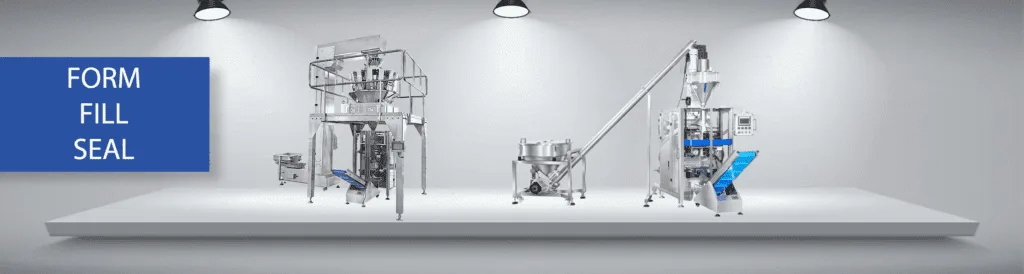
When selecting a sachet filling machine, consider the following factors:
Sachet filling machines play a vital role in modern packaging, offering an efficient and precise solution for a wide range of products. By understanding the different types of machines and their applications, businesses can select the right equipment to enhance their packaging operations and meet their specific needs.
A sachet filling machine is packaging equipment designed to automatically fill small, pre-formed sachets with products such as powders, granules, liquids, creams, or pastes and then seal them securely for retail or distribution.
Sachet filling machines typically follow these steps:
Sachets are fed into the machine
The product is measured and dosed into each sachet
The sachet is sealed (heat-sealed or cold-sealed depending on material)
The finished sachet is discharged for packing or collection
Different machines use specialised dosing systems (e.g., auger for powders or piston fillers for liquids) to ensure accuracy.
Sachet filling machines can package a wide range of products, including:
Powders (spices, coffee, sugar)
Granules (rice, detergents)
Liquids (sauces, oils, gels)
Pastes and creams (cosmetics, condiments)
Pharmaceuticals and single-serve products
Common sachet formats include:
Flat sachets — simple, lightweight packs
Three-side seal sachets — sealed on three edges for secure packaging
Pillow packs — shaped like a pillow, common for snacks
Doypack / stand-up pouches — with a gusseted bottom for shelf display
The choice depends on product type and retail display needs.
Sachet filling machines offer key benefits such as:
High production speed with consistent filling
Accurate product dosing to reduce waste
Improved hygiene and sealing quality
Efficient packaging of single-serve portions
These advantages help businesses scale and compete effectively.
Yes. There are semi-automatic sachet fillers ideal for small to medium production runs, as well as fully automatic machines designed for high-volume industrial packaging.
Accuracy depends on the dosing system used. Machines with auger fillers, volumetric cups, or precision pistons can achieve very tight tolerances — crucial for products with regulatory labelling and weight requirements.
Yes. With the right dosing configuration, sachet filling machines can handle:
Free-flowing powders
Viscous liquids and gels
Sticky or high-viscosity pastes
Machine settings and dosing systems are adjusted to suit product characteristics.
Routine maintenance typically includes:
Cleaning contact parts to prevent contamination
Checking wear parts such as nozzles and seals
Lubricating mechanical components
Regular maintenance ensures consistent performance and extends machine life.
Yes. They can be combined with conveyors, labellers, check weighers, case packers, or cartoners to create a fully automated packaging line.
Sachet machines are widely used in:
Food & beverage (sauces, spices, condiments)
Pharmaceuticals and nutraceuticals
Cosmetics and personal care
Household chemicals and detergents
Considerations include:
Product type and viscosity
Desired output speed
Sachet format and size
Level of automation required
A packaging specialist can help determine the most suitable machine configuration for your specific product and production goals.