
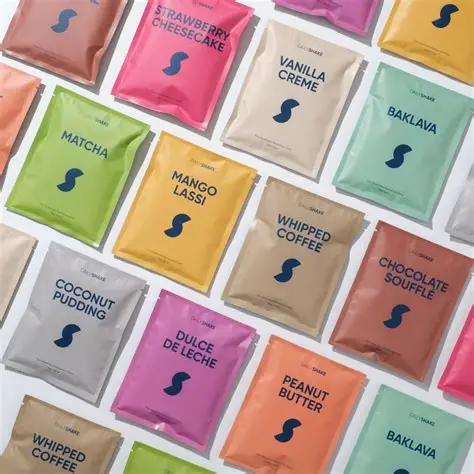
Sachet Packaging Growth is accelerating at an unprecedented rate across global markets. From food and beverages to cosmetics and pharmaceuticals, sachet packaging has become one of the most in-demand packaging formats worldwide. Businesses are increasingly adopting sachets because they offer affordability, convenience, portion control, and extended product shelf life — all critical factors in today’s competitive marketplace.
For manufacturers, retailers, and procurement teams, understanding why sachet packaging is expanding globally is essential for staying ahead in production efficiency and consumer demand trends.
One of the primary drivers behind sachet packaging growth is affordability. Sachets allow consumers to purchase products in small, low-cost quantities. This is particularly important in emerging markets where purchasing power may be limited.
Single-use sachets make products accessible without requiring customers to buy full-sized units. This strategy significantly expands a brand’s target market while maintaining production efficiency.
Industries benefiting from this trend include:
Food & beverage (sauces, sugar, coffee, spices)
Personal care (shampoo, lotion, conditioner)
Pharmaceuticals (powders, supplements)
Household cleaning products
Modern consumers value convenience more than ever. Sachets are lightweight, portable, and easy to open. They fit easily into handbags, travel kits, or lunchboxes.
The global rise in travel, urbanization, and on-the-go lifestyles has significantly contributed to sachet packaging growth. Products packaged in sachets meet the demand for single-use, hygienic, and travel-friendly solutions.
Emerging economies across Africa, Asia, and Latin America have played a major role in sachet packaging growth. Smaller packaging sizes allow brands to penetrate rural and lower-income markets effectively.
Instead of investing in large product units that may not move quickly, manufacturers use sachets to:
Reduce product waste
Increase brand trials
Improve product accessibility
Strengthen distribution into remote areas
For B2B manufacturers, this represents a major production opportunity requiring efficient vertical or horizontal form-fill-seal machinery.
Automation and improved packaging technology have made sachet production faster and more cost-effective.
Modern packaging machines now offer:
High-speed production output
Accurate filling systems
Multi-lane sachet production
Reduced material waste
Improved sealing integrity
With advancements in form-fill-seal (FFS) technology, manufacturers can produce thousands of sachets per hour while maintaining strict quality standards.
This efficiency directly contributes to sachet packaging growth by lowering operational costs and improving scalability.
Sustainability concerns are reshaping the packaging industry. While sachets have historically faced criticism for plastic waste, innovation is changing the landscape.
Manufacturers are now exploring:
Recyclable laminates
Biodegradable films
Reduced material thickness
Mono-material solutions
As sustainable packaging materials become more viable, sachet packaging growth continues without compromising environmental responsibility.
Another factor behind sachet packaging growth is the rapid expansion of e-commerce.
Brands are using sachets for:
Product sampling campaigns
Promotional giveaways
Subscription box inserts
Trial-size packaging
Small sachets reduce shipping costs and encourage product trials, making them a powerful marketing tool in digital commerce.
The following sectors are driving global expansion:
Condiments, instant beverages, spices, and powdered mixes are increasingly sold in sachet form for portion control and hygiene.
Shampoo, face creams, and skincare products benefit from sachet trials before customers commit to full-sized products.
Single-dose sachets ensure precise dosage and prevent contamination.
From a B2B perspective, sachet packaging growth represents strong ROI potential.
Key benefits for manufacturers include:
Faster market entry
Lower packaging material costs
High production scalability
Expanded global distribution capability
Improved brand penetration
For factory managers and procurement teams, investing in high-quality sachet packaging machinery ensures:
Reduced downtime
Consistent seal integrity
Accurate dosing
Compliance with hygiene standards
Modern automated sachet systems allow companies to respond quickly to shifting market demands.
Industry analysts predict continued expansion due to:
Growing population in emerging markets
Rising demand for single-use convenience
Increased urbanization
Technological packaging innovations
Sustainable material development
As brands compete for shelf space and consumer attention, sachets provide a strategic balance between affordability, convenience, and production efficiency.
Sachet packaging is a small, sealed flexible pouch used for single-use or portion-controlled products.
Sachet packaging growth is driven by affordability, convenience, emerging markets, automation, and product sampling strategies.
Food, personal care, pharmaceuticals, and household product industries benefit significantly.
New recyclable and biodegradable material innovations are making sachets more environmentally friendly.
Vertical and horizontal form-fill-seal machines are commonly used for high-speed sachet production.
Looking to capitalize on Sachet Packaging Growth in your industry?
Our team specializes in high-performance sachet packaging machinery designed for:
Food production lines
Pharmaceutical manufacturing
Personal care product packaging
High-speed multi-lane sachet systems
Contact us today to discuss your production requirements and discover how automated sachet packaging solutions can increase efficiency, reduce costs, and scale your operations globally.