
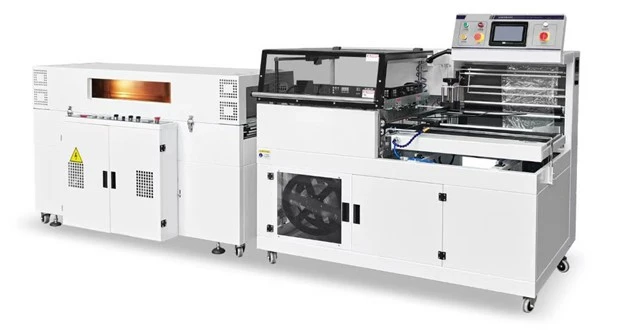
When it comes to protecting products in warehouses, distribution centers, and transport, shrink wrap for storage and pallets remains one of the most cost-effective and reliable packaging solutions. Companies across various industries rely on shrink wrap to secure loads, prevent product damage, and improve overall pallet stability. Whether you manage a warehouse or ship high-volume goods, understanding how shrink wrap works and why it is so effective can transform your storage processes.
In this guide, we break down what shrink wrap is, why it’s essential for palletization, and how your business can use it to reduce losses, enhance safety, and streamline operations.
Shrink wrap for storage & pallets refers to a heat-shrink plastic film applied around palletized goods to create a tight, protective barrier. Once heat is applied, the film contracts and forms a secure layer that prevents items from shifting, falling, or getting exposed to dust and moisture.
Polyolefin (POF) – versatile, strong, and clear
PVC shrink film – used for consumer products
Polyethylene (PE) – best for heavy-duty pallet loads
Cross-linked shrink film – extra strength and puncture resistance
Different industries choose the type of shrink wrap depending on load weight, environment, and storage duration.
Shrink wrap provides multiple benefits that directly impact your warehouse efficiency, transport safety, and product protection.
Shrink wrap tightly secures items on a pallet, reducing movement during transport or storage. This minimizes breakage, tipping, and product loss.
Once shrunk, the film forms a sealed barrier that keeps out dust, water, and contaminants — ideal for long-term storage or outdoor facilities.
Compared to alternatives like strapping, boxes, or rigid packaging, shrink wrap is low-cost, easy to apply, and reduces waste.
Opaque or printed shrink wrap hides pallet contents and deters tampering during transport. Some companies use branded shrink film for added security.
Since shrink wrap is lightweight and tightly sealed, it allows more efficient stacking and maximizes warehouse space.
Choosing the correct film ensures optimal strength and protection.
Strong and durable
Ideal for heavy pallets
Good puncture resistance
Clear and glossy
Suitable for retail packaging, not heavy pallets
Great clarity
Strong and flexible
Often used for consumer goods
Using the proper equipment ensures consistency and safety.
Best for small-scale operations. The film is wrapped manually and then heated using a heat gun.
Used in larger warehouses. Pallets move through a heated tunnel that shrinks the film automatically.
Ensure the film is evenly layered
Avoid overheating to prevent holes
Wrap tightly at the base for stability
Use the correct film thickness (typically 60–120 microns for pallets)
Shrink wrap for storage & palletization improves key operational areas:
Reduces product damage
Improves pallet integrity
Minimizes packaging waste
Enhances inventory control
Supports long-distance logistics
By improving both protection and efficiency, shrink wrap helps businesses maintain high standards across their supply chain.
Although similar, shrink wrap and stretch wrap have key differences:
Requires heat
Creates a tight, sealed barrier
Better for long-term storage
Provides stronger load stability
Applied manually or by machine
Stretches around the load without heat
More affordable for high-volume wrapping
Ideal for quick transport and short-term storage
Companies often use both, depending on need and environment.
Whether you store goods for long periods or prepare them for transport, shrink wrap for storage and pallets is a smart investment. It protects products, reduces losses, and improves pallet stability — all while keeping packaging costs low.
If you need shrink wrap machines, shrink tunnels, or advice on choosing the right film for your application, our team can help.
Contact us today for expert support and tailored solutions!
Shrink wrap protects products from dust, moisture, and damage while stabilizing pallet loads for long-term storage.
Shrink wrap provides a tighter and more secure seal, making it stronger for pallet stabilization and protection.
Yes — especially polyethylene shrink wrap, which handles UV exposure and weather conditions well.
Typically between 60 and 120 microns, depending on the weight of the pallet load.
You can apply shrink wrap manually with a heat gun, but shrink tunnels are recommended for higher volumes or consistent results.