
Shrink wrap packaging is an essential component in the pharmaceutical and cosmetics industries, providing product safety, tamper evidence, and hygiene. As consumers demand high-quality, safe, and compliant products, manufacturers must adopt packaging solutions that protect both the product and the end-user. Shrink wrap packaging offers a reliable solution by tightly sealing individual products, multipacks, or secondary packaging.
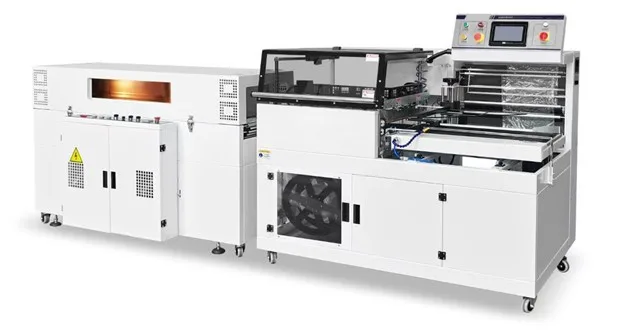
Maintaining hygiene is non-negotiable in pharmaceuticals and cosmetics. Shrink wrap packaging protects products from dust, bacteria, and other contaminants during storage, shipping, and on retail shelves. Many shrink films are made from food-grade, non-toxic materials, ensuring the packaging does not compromise product safety.
Automated shrink wrap machines reduce manual handling, minimizing contamination risks—critical for pharmaceutical manufacturers operating under Good Manufacturing Practice (GMP) regulations. Cosmetic packaging, including jars, tubes, and bottles, also benefits from shrink wrap’s tamper-evident protection, keeping products safe for consumers.
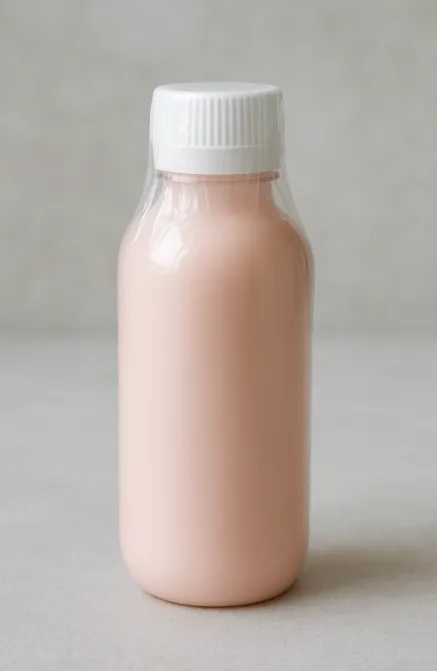
Sealing integrity is vital in regulated industries. Shrink wrap creates a uniform seal that makes tampering immediately visible. A torn or missing shrink film signals potential contamination or unauthorized access, which is crucial for consumer safety and regulatory compliance.
Shrink wrap packaging machines are designed to control temperature and pressure precisely, ensuring consistent sealing across all products, including fragile or irregularly shaped items.
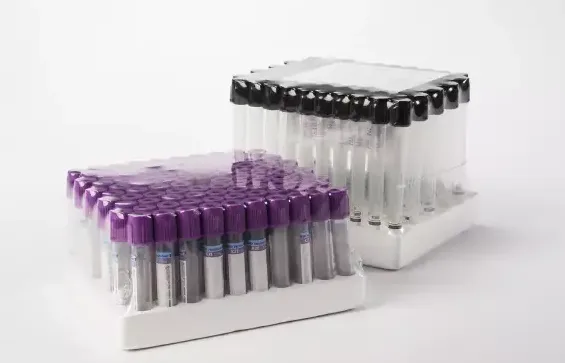
Pharmaceutical and cosmetic industries worldwide are subject to strict regulations to ensure product safety, quality, and traceability. In South Africa, manufacturers must comply with SAHPRA (South African Health Products Regulatory Authority) guidelines, which govern hygiene, labeling, and packaging processes. Similarly, in the United States, the FDA (Food and Drug Administration) sets rigorous standards for pharmaceutical and cosmetic packaging, including tamper-evidence, contamination control, and material safety. In Europe, the European Medicines Agency (EMA) provides comprehensive regulations covering product integrity, labeling, and traceability to ensure consumer safety.
Shrink wrap packaging supports compliance across all these jurisdictions by providing:
Tamper-evident seals for all consumable products
Hygienic and contamination-free packaging processes
Use of approved, non-toxic materials
Accurate labeling and traceability
By adopting shrink wrap packaging, manufacturers can meet local and international regulatory requirements while improving operational efficiency and reducing the risk of non-compliance.
For more information on the South African guidelines you can check out the SAPHRA website and for more information on the American guidelines you can check out the FDA website.
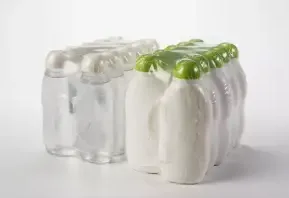
| Advantage | Description |
|---|---|
| Protection | Prevents dust, moisture, and microbial contamination. |
| Tamper-Evidence | Ensures products reach consumers safely and untampered. |
| Versatility | Suitable for bottles, jars, tubes, blister packs, and multipacks. |
| Efficiency | Automated machines increase throughput while reducing manual handling. |
| Sustainability | Many shrink films are recyclable or eco-friendly, supporting green packaging initiatives. |
Shrink wrap packaging is a vital solution for ensuring the safety, hygiene, and compliance of pharmaceutical and cosmetic products. By providing tamper-evident seals, protecting against contamination, and supporting regulatory standards, it helps manufacturers deliver high-quality products that consumers can trust. Its versatility, efficiency, and sustainability make shrink wrap an ideal choice for modern packaging needs. Investing in reliable shrink wrap machines not only safeguards products but also enhances operational efficiency and strengthens brand reputation in a competitive market.
For more information or to discuss your packaging needs, contact us today and speak with our packaging experts.
Shrink wrap provides tamper‑evident protection, moisture resistance, and improved product hygiene — all critical factors for pharmaceutical products that must maintain integrity from production to patient use.
In cosmetics, shrink wrap protects products from contamination, leakage, and accidental opening during storage, transport, and retail display — ensuring the product reaches the consumer intact and hygienic.
Yes. Shrink wrap solutions can be configured with tamper‑evident seals and traceability features that support compliance with pharmaceutical and cosmetic safety regulations.
The most common films used include polyolefin (POF) and polyethylene (PE) — chosen for clarity, strength, and compliance with industry safety requirements. Some films also support printable area for batch codes, expiry dates, and regulatory information.
Yes — shrink wrap can be applied in combination with specially designed closures or tamper‑evident bands to enhance child resistance and product security where required.
Shrink wrap tightly conforms to the product, shielding it from dust, moisture, abrasion, and handling impacts — which is especially important for fragile cosmetic jars, tubes, and small vials in pharma.
Yes. Fully automatic shrink wrap systems can be integrated into high‑speed production lines, enabling continuous packaging with consistent seals, minimal downtime, and high reliability.
Absolutely. Shrink wrap can be used alongside cartons, blister packs, trays, and seals to create layered protection that meets safety and retail presentation needs.
Consider:
Product size and shape
Required seal strength and clarity
Production speed
Regulatory requirements
A packaging specialist can recommend solutions aligned with both safety standards and production goals.
Yes — shrink wrap adds a clean, professional look and can also be printed or combined with labels and security seals that enhance brand authenticity and consumer confidence.
Shrink wrap can be paired with serialised codes, tamper‑evident seals, or QR codes to help verify product authenticity and reduce counterfeiting risk — crucial for pharmaceutical and premium cosmetic products.