Shrink-wrapping machines are essential tools in various industries, providing an efficient and effective method for packaging products for storage, transportation, and retail. These machines use a film that shrinks tightly around a product when heat is applied, resulting in a secure and professional finish. This article explores the types, applications, and benefits of shrink-wrapping machines.
When selecting a shrink-wrapping machine, consider the following factors:
Shrink-wrapping machines are indispensable in modern packaging processes, offering a versatile, efficient, and cost-effective solution. By understanding the different types of machines and their applications, businesses can select the right equipment to enhance their packaging operations and meet their specific needs.
A shrink wrapping machine is packaging equipment that encloses products in a shrink film and applies heat to cause the film to shrink tightly around the product. This creates a secure, tamper‑evident, and professional‑looking package.
Shrink wrap machines use plastic shrink film (such as PVC or polyolefin) to cover items. The product wrapped in film then passes through a heat tunnel or heat chamber, where the heat causes the film to shrink snugly around the product’s contours.
Shrink wrapping is versatile and can be used for many products, including:
Food and beverage packs
Multipacks of cans or bottles
Books, toys and retail products
Industrial parts and hardware
Pharmaceuticals and cosmetics
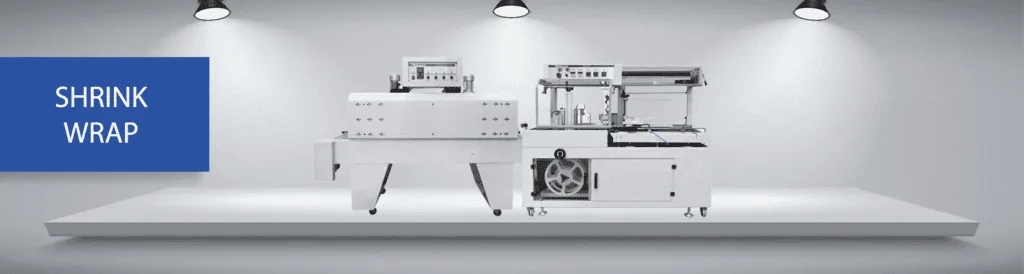
There are several types of shrink wrapping machines including:
L‑Bar Sealers / Manual Shrink Wrappers – for low‑volume applications
Automatic Shrink Wrappers – high speeds for industrial production
Heat Tunnels – paired with sealers to shrink film
Automatic Infeed Systems – for continuous packaging
Each type is suited to specific production scales and product sizes.
Common shrink films include:
PVC (Polyvinyl Chloride) – cost‑effective and clear
Polyolefin – stronger, safer for food, and more durable
Polyethylene (PE) – thicker option for heavy products
Choosing the right film depends on product weight, clarity needs and shrink ratio.
Shrink wrapping machines offer:
Enhanced product protection
Improved presentation and retail appeal
Tamper evidence and security
Efficient bundling of multipacks
Dust and moisture resistance
Yes. Shrink wrap machines can be integrated into automated production lines, linking conveyors, heat tunnels, labelers and packing stations for seamless operation and higher throughput.
Manual Shrink Wrappers require operator involvement for feeding and sealing.
Automatic Shrink Wrappers run continuously with minimal human input, suitable for high volume demands.
Considerations include:
Product size and shape
Production volume and speed
Film type and thickness
Budget and available space
A packaging specialist can help match the right model to your needs.
Routine maintenance typically includes:
Cleaning sealing bars and conveyor belts
Checking film alignment and tension
Ensuring heat tunnel elements are functioning
Regular service keeps operations smooth and reduces downtime.
Yes — when used with food‑grade shrink film and hygienic machine designs, shrink wrapping is widely used in food packaging.
Safe machines may include:
Emergency stop buttons
Guarding around heat tunnels
Over‑temperature protection
Film tear detectors
These help protect operators and prevent damage.