
Stick Pack vs Sachet Packaging is one of the most common comparisons manufacturers face when choosing flexible packaging solutions. If you are packaging powders, liquids, granules, or single-dose products, understanding the differences between these two formats can significantly impact your production efficiency, material costs, and shelf appeal.
In this guide, we break down the key differences between stick packs and sachets, helping South African businesses make informed packaging decisions.
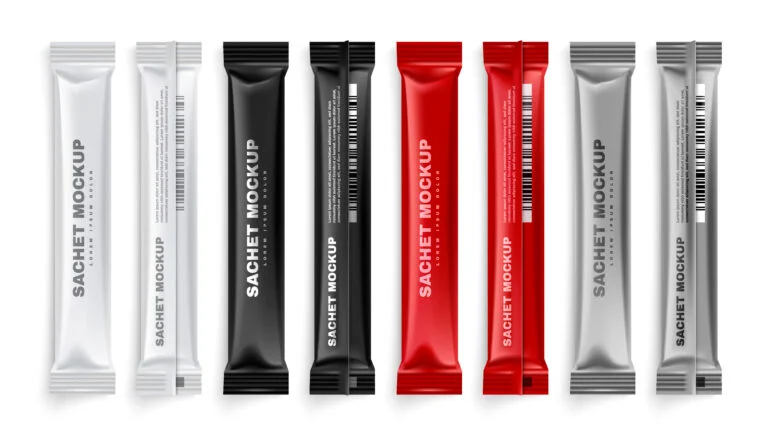
Stick packs are slim, vertically formed tubular packets sealed on three or four sides. They are typically produced using a vertical form-fill-seal system such as a Vertical Form Fill Seal (VFFS) machine.
Sugar and sweeteners
Coffee and drink powders
Nutritional supplements
Pharmaceutical powders
Energy boosters
Uses less film material per unit
Modern, premium appearance
Ideal for single-serve convenience
Easy to transport and store
Stick packs are particularly popular in industries where portion control and portability are essential.
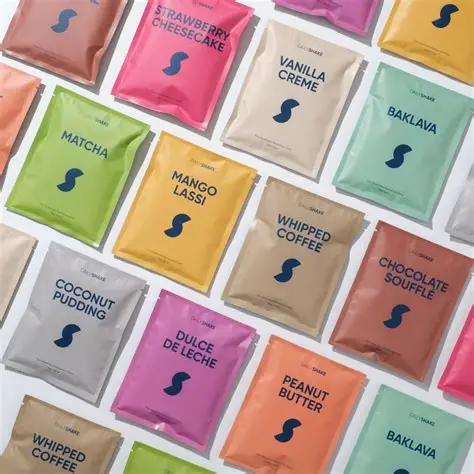
Sachets are flat, sealed packets typically rectangular or square in shape. They are widely used for both liquids and powders and can be produced on both vertical and horizontal systems like a Horizontal Form Fill Seal (HFFS) machine.
Sauces and condiments
Shampoo and cosmetic samples
Creams and gels
Instant drink powders
Pharmaceutical liquids
Larger surface area for branding
Suitable for higher fill volumes
More versatile shape options
Ideal for liquid packaging
Sachets are often chosen when branding space and product visibility are priorities.
Understanding the structural and operational differences is essential when choosing between the two.
Stick Packs: Slim, elongated tube format
Sachets: Flat, pillow-style rectangular format
Stick packs are more compact, while sachets offer more surface area for graphics and compliance information.
Stick packs generally use less packaging film because of their narrow width. This can reduce material costs and improve sustainability efforts — a growing priority for South African manufacturers.
Sachets may use slightly more film depending on size and configuration.
Stick pack machines are designed for high-speed production of narrow formats, often allowing multiple lanes in one system.
Sachets can also run at high speeds but may require different sealing configurations depending on whether the product is liquid or powder.
Sachets win when it comes to branding space. Their larger front and back panels allow:
Nutritional information
Promotional messaging
Multi-language labeling
Eye-catching design
Stick packs offer a sleek design but limited printing width.
| Product Type | Stick Pack | Sachet |
|---|---|---|
|
Powders |
Excellent |
Excellent |
|
Granules |
Excellent |
Excellent |
|
Liquids |
Limited |
Excellent |
|
Gels & Creams |
Not ideal |
Excellent |
If you are packaging liquids or viscous products, sachets are typically the better option.
When deciding between stick pack vs sachet packaging, consider the following:
Powders and drink mixes often perform well in stick packs. Liquids and sauces are better suited to sachets.
High-speed, multi-lane production lines often favour stick pack machines for efficiency.
If your packaging needs strong retail shelf presence, sachets offer more visual impact.
Stick packs may reduce film usage and lower long-term material costs.
For local manufacturers, choosing the right machinery supplier is just as important as selecting the packaging format. Factors to evaluate include:
Machine durability
Spare parts availability
Local technical support
Scalability for future growth
Working with a South African packaging machinery specialist ensures faster response times and reduced downtime.
Not sure whether stick pack vs sachet packaging is right for your product?
Our team of packaging machinery specialists helps South African manufacturers choose the most efficient and cost-effective solution for their production needs.
Contact us today to discuss:
Machine recommendations
Production capacity planning
Cost comparisons
Installation and support services
Let us help you optimise your packaging line for performance and profitability.
The main difference is shape and application. Stick packs are slim and ideal for powders, while sachets are flat and better suited for liquids and products requiring more branding space.
In many cases, yes. Stick packs use less film material, which can reduce packaging costs over time.
Yes. Sachets are highly versatile and can package powders, granules, liquids, and gels.
Sachets generally offer better branding visibility due to their larger printable surface area.
Stick packs are common in food, beverage, pharmaceutical, and nutraceutical industries.