
VFFS Machine for Sauces | Packaging Solutions Guide

VFFS Machine for Sauces

Packaging powdered products efficiently is one of the biggest challenges in modern manufacturing. From food ingredients and nutritional supplements to chemicals and pharmaceuticals, powders require precise handling, accurate dosing, and reliable sealing to maintain quality and reduce waste. This is where VFFS machines for powdered products have become an essential part of many production lines.

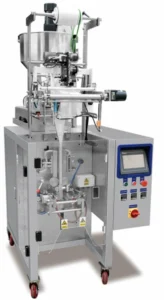
A vertical form fill seal machine for powder is designed to form a bag from roll film, fill it with a measured amount of product, and seal it in one continuous automated process. This approach not only improves production speed but also ensures consistent package quality across large volumes. For manufacturers dealing with flour, milk powder, protein powders, spices, detergents, or similar products, VFFS technology offers a proven and scalable solution.

One of the main advantages of using a powder packaging machine based on VFFS technology is efficiency. Traditional manual or semi-automatic packing methods are slow, labour-intensive, and prone to inconsistencies. In contrast, VFFS systems integrate dosing, bag forming, filling, and sealing into a single streamlined workflow. This reduces handling, minimises contamination risk, and improves overall production hygiene.

Accuracy is another critical factor when packaging powdered products. Even small variations in fill weight can lead to regulatory issues, customer complaints, or unnecessary product giveaway. Modern VFFS machines can be paired with auger fillers, vacuum fillers, or net weighers to achieve highly precise dosing. This makes them suitable for both free-flowing powders and more challenging, dusty, or compacting materials.

Hygiene is another critical factor in sauce packaging. Many sauces contain ingredients that are sensitive to contamination or spoilage if not handled correctly. Modern VFFS machines are built with food-grade materials, smooth surfaces, and enclosed product paths that make cleaning easier and reduce the risk of contamination. For manufacturers working under strict food safety standards, this design approach is a major advantage.

Sauce Packaging Machine Sample

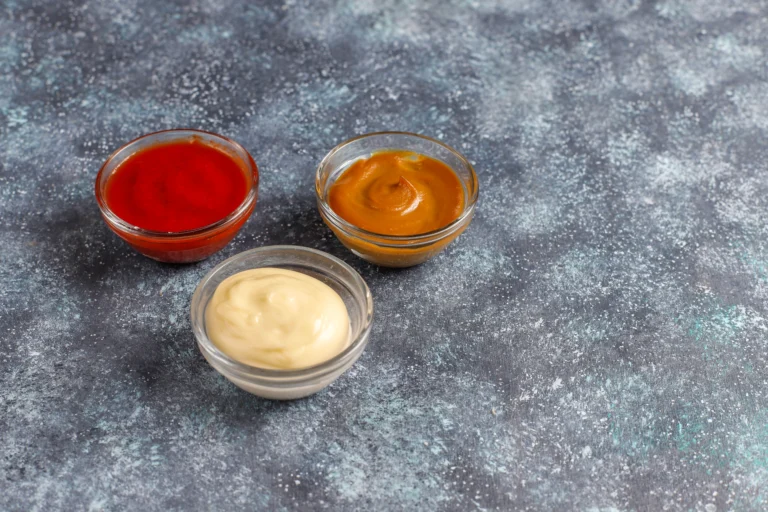
Flexibility is also a key benefit. A well-specified vertical form fill seal machine for sauces can handle a wide range of viscosities, from thin soy sauce and vinegar to thicker products like mayonnaise, cheese sauce, or curry paste. By selecting the right filling system—such as piston fillers, pump fillers, or servo-driven dosing units—manufacturers can ensure stable, accurate filling even with challenging products.

Packaging material efficiency plays an important role in overall operating costs. VFFS machines use roll film rather than premade pouches, which is generally more cost-effective and offers greater flexibility in bag size and format. This allows manufacturers to produce different pack sizes on the same machine with minimal changeover, making it easier to respond to market demands or promotional packaging requirements.

From a branding perspective, consistent pouch shape and seal quality are essential. Poor sealing or inconsistent package appearance can negatively impact consumer trust and product shelf life. A modern sauce packaging machine delivers repeatable sealing performance, helping to protect the product from leaks, oxygen ingress, and external contamination. Optional features such as gas flushing, spout or fitment insertion, and coding systems can further enhance product quality and traceability.

Automation is another major reason why many food manufacturers invest in VFFS technology. By integrating the packaging machine with upstream cooking, mixing, and holding systems, companies can create a continuous production flow with minimal manual intervention. This not only improves efficiency but also reduces labour costs and the risk of human error. In high-volume environments, these benefits quickly add up.

Scalability is equally important. As brands grow and expand into new markets, packaging requirements often change. A flexible VFFS machine for sauces can be adapted for higher speeds, larger or smaller pouch sizes, or new product variants. This makes it a long-term investment that supports business growth rather than a short-term solution that needs frequent replacement.

VFFS Machines for Sauces: Key Comparisons

Feature VFFS Sauce Packaging Machine Traditional Filling & Sealing
Production Speed High and consistent Low to medium
Filling Accuracy High with pump or piston filler Variable, operator dependent
Packaging Material Roll film (lower cost) Premade pouches or containers
Hygiene Level Enclosed, easy to clean Higher contamination risk
Labour Requirement Low High

Choosing the Right VFFS Machine for Sauce Applications

Not all sauces behave the same way, so selecting the right configuration is essential. Thin, free-flowing liquids may require a different filling system compared to thick, chunky, or high-viscosity sauces. The ideal vertical form fill seal machine for sauces should be matched to your product’s flow characteristics, target pack sizes, and required production output.

It is also important to consider future needs such as new product launches, different packaging formats, or higher speed requirements. Choosing a modular, upgradeable VFFS platform can help protect your investment and extend the useful life of your packaging equipment.

In a market where efficiency, hygiene, and consistency directly impact brand reputation, the right packaging solution is more than just a piece of machinery—it is a strategic asset. By investing in a reliable VFFS machine for sauces, manufacturers can improve productivity, reduce costs, and deliver high-quality packaging that meets both customer expectations and regulatory standards.

Why Choose SA Packaging Machinery

In today’s competitive food manufacturing environment, efficiency, hygiene, and consistency are no longer optional—they are essential. A VFFS machine for sauces delivers all three by combining high-speed production, accurate filling, and reliable sealing into one fully automated solution. Whether you are packaging thin liquids like soy sauce or thicker products such as mayonnaise, ketchup, or cooking sauces, the right sauce packaging machine can dramatically improve output while reducing waste and operating costs.

By investing in a well-specified vertical form fill seal machine for sauces, manufacturers gain more than just a piece of equipment—they gain a scalable packaging platform that supports growth, protects product quality, and strengthens brand reputation on the shelf. With lower material costs through roll film, improved hygiene through enclosed product paths, and consistent, professional packaging results, VFFS technology stands out as the smart long-term choice for modern sauce producers. Choosing the right system today is not just about meeting current demand—it’s about building a more efficient, competitive, and future-ready production operation.

Check out our VFFS Machine for Sauces video here.

Ready to take your sauce packaigng to the next level?

📞 Get in touch with us today!
Our expert team is here to help you choose the perfect machine to fit your production needs.

FAQS

What types of sauces can be packaged with a VFFS machine?

VFFS machines can package a wide range of sauces, including ketchup, mayonnaise, chilli sauce, soy sauce, gravies, and cooking sauces.

How does a VFFS machine ensure accurate filling?

Accuracy is achieved using pump fillers, piston fillers, or servo-driven dosing systems integrated with the machine.

Are VFFS machines suitable for food-grade applications?

Yes, most VFFS machines for sauces are designed with food-grade materials and hygienic, easy-to-clean construction.

What are the benefits of using roll film instead of premade pouches?

Roll film is more cost-effective, offers greater flexibility in bag sizes, and reduces overall packaging cost per unit.

Can a VFFS sauce packaging machine be upgraded later?

Yes, many modern systems can be upgraded with features such as gas flushing, coding systems, or different filling units as production needs evolve.