In 2026, bottled water in South Africa isn’t just “water in a bottle” anymore. Customers expect clean presentation, consistent fill levels, strong seals, and a professional label that doesn’t peel in the fridge. Retailers expect reliability. Distributors expect volume. And for any brand trying to grow, the bottling process needs to run smoothly every day.
That’s exactly why more producers are investing in one core piece of equipment: the water bottle filler machine.
A well-set-up water bottle filler machine doesn’t just increase output—it reduces waste, improves hygiene, and gives your product that “retail-ready” finish that helps it compete on shelf.
See the machine in action below:
If you’re still bottling water manually or using a setup that spills, foams, or fills inconsistently, you’re losing money in ways that add up quickly:
Overfills quietly eat into margins
Spills slow down production and ruin labels
Inconsistent fill levels look unprofessional on retail shelves
Manual handling increases contamination risk
Slow throughput makes it hard to scale into bigger orders
A water bottle filler machine creates repeatability—so every bottle comes out looking the same, sealing properly, and moving efficiently through your line.
One of the biggest changes in 2026 is that water bottling brands are competing on presentation and reliability, not just price.
When customers pick up a bottle, they notice:
fill level consistency across bottles
whether the cap feels tight and secure
whether the bottle is clean and dry (especially around the neck)
whether the label looks smooth and properly aligned
A good water bottle filler machine contributes to all of these, because it reduces the “human variation” that comes with manual filling.
As demand grows, many South African businesses hit the same bottleneck: labour. You can only fill so many bottles per hour manually before quality drops and waste increases.
A water bottle filler machine increases your capacity while keeping quality stable.
Spillage around the neck or on the bottle body causes two big problems:
the bottle looks messy and cheap
labels don’t stick properly (especially in cold storage)
Modern setups in 2026 focus heavily on controlled filling and drip reduction—because clean bottles = better branding.
The biggest “silent loss” in many small bottling operations is overfilling. A few extra millilitres per bottle can destroy your margins at scale.
A properly tuned water bottle filler machine helps keep fills consistent and reduces giveaway.
Water bottling has to be clean and repeatable. The more manual handling in the process, the more risk you introduce.
Even a small upgrade to a water bottle filler machine can reduce human contact points dramatically.
Many bottlers start with filling only, then quickly realise that the “real” bottling workflow includes more steps. In 2026, most growing water brands aim for a line that flows like this:
bottle feed / staging
rinsing (optional but common for hygiene)
water bottle filler machine
capping
labelling
date coding
packing / shrink wrapping
Even if you don’t install a full line immediately, planning around a water bottle filler machine as your core unit makes expansion easier later.
Some bottles look slightly lower or higher than others. On a shelf, customers notice, and it hurts brand trust.
A water bottle filler machine reduces that variation so your bottles look uniform.
This is common when filling spills down the bottle, especially near the neck. Labels then wrinkle or peel in the fridge.
Controlled filling + reduced drips means cleaner bottles and stronger label adhesion.
When orders spike, manual setups break down: staff fatigue, more spills, more inconsistent output.
A water bottle filler machine keeps production stable even when demand increases.
Bottled water demand remains high because:
consumers want convenient, portable hydration
many buyers still prefer packaged water for travel, gym, and work
businesses buy water in bulk for staff and customers
distribution into shops and local outlets creates repeat orders
That consistent demand is why bottlers keep upgrading equipment—the more reliable your operation, the easier it is to grow.
If you’re planning to expand your water production or improve consistency in 2026, SA Packaging Machinery can help you choose the right water bottle filler machine setup based on your bottle sizes, output goals, and workflow.
Whether you’re starting small or building toward a complete rinse–fill–cap–label line, SA Packaging Machinery can recommend a solution that matches your operation and helps you bottle faster, cleaner, and more consistently.
Contact SA Packaging Machinery to get a quote today
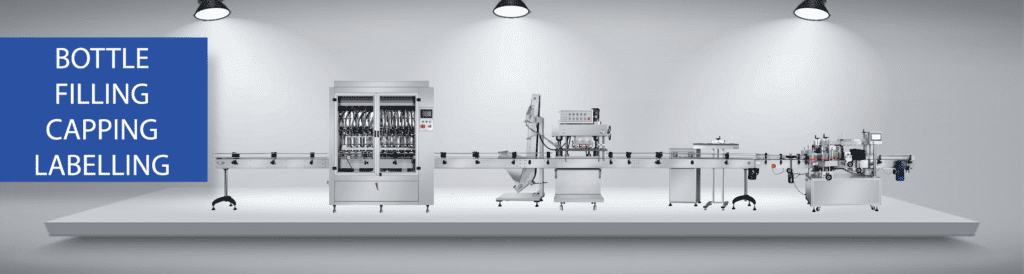
Integrates filling, screw capping, and labelling of various products.