
Bottle labeling techniques play a critical role in product presentation, regulatory compliance, and brand recognition across industries such as beverages, cosmetics, pharmaceuticals, and household chemicals. For manufacturers in South Africa, choosing the right bottle labeling method can directly impact production efficiency, costs, and shelf appeal.
In this guide, we explain the most common bottle labeling techniques, how they work, and how to choose the right solution for your production environment.
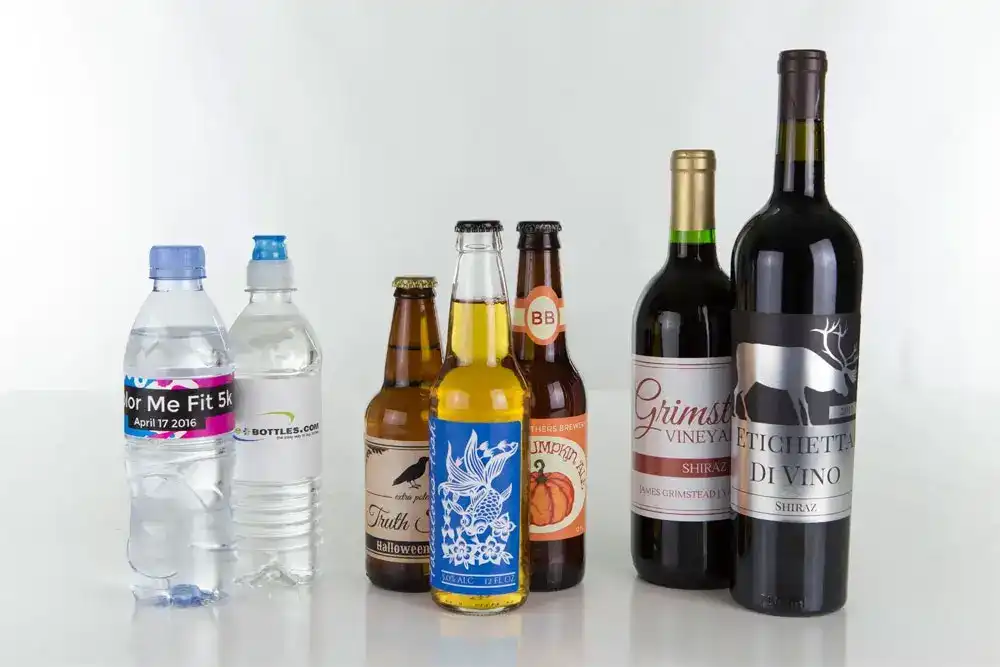
Bottle labels do more than display branding — they communicate essential information such as ingredients, batch numbers, barcodes, and legal compliance details. Selecting the correct labeling technique ensures:
Consistent label placement
High-speed production compatibility
Durability during transport and storage
Compliance with local and international regulations
For growing manufacturers, the right labeling solution also supports automation and scalability.
Wrap-around labeling is one of the most widely used bottle labeling techniques in high-volume production.
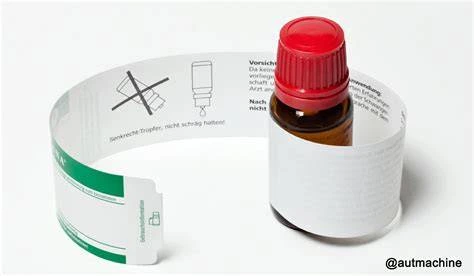
A single label is wrapped around the full circumference of a cylindrical bottle and secured with adhesive.
PET bottles
Glass beverage bottles
Water, soft drinks, and juices
Cost-effective for large volumes
High-speed application
Clean and professional appearance
This technique applies two separate labels — one on the front and one on the back of the bottle.
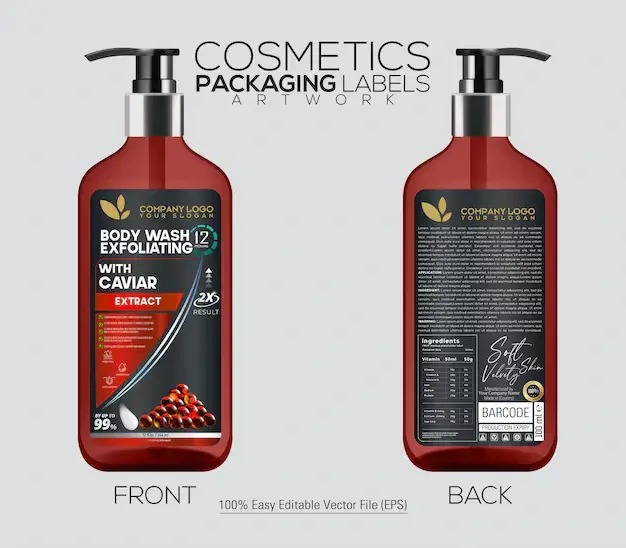
Shampoo and cosmetic bottles
Household cleaning products
Irregular bottle shapes
Flexible design options
Ideal for marketing-heavy products
Works well with pressure-sensitive labels
Pressure-sensitive labeling is one of the most versatile bottle labeling techniques available.
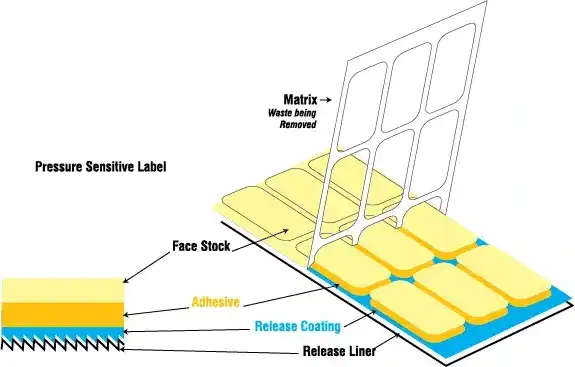
Labels with pre-applied adhesive are pressed onto the bottle surface using rollers or applicators.
Craft beverages
Pharmaceutical bottles
Short to medium production runs
No glue or heat required
Quick changeovers
Excellent label accuracy
Sleeve labeling provides full-body coverage and strong visual impact.
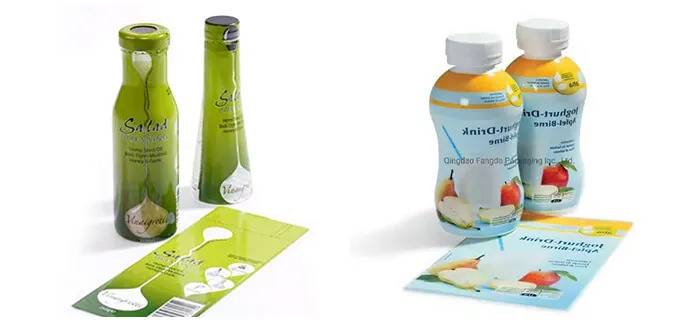
A plastic sleeve is placed over the bottle and either shrunk with heat or stretched to fit.
Energy drinks
Promotional bottles
Products requiring tamper evidence
360-degree branding
Tamper-evident options
Ideal for uniquely shaped bottles
Cold glue labeling is commonly used in traditional beverage bottling lines.
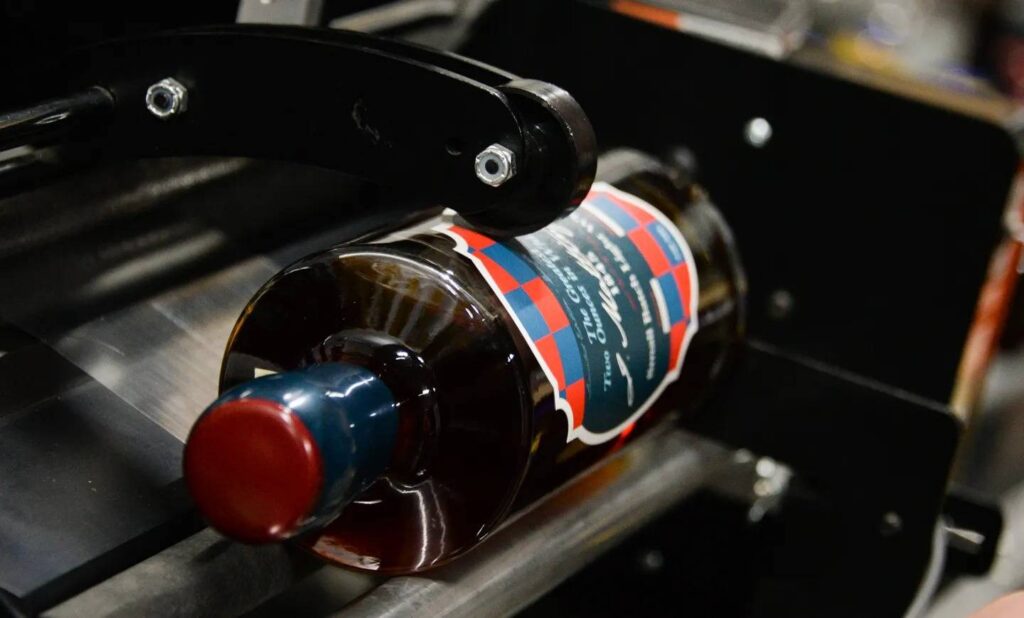
Glass beer bottles
Returnable bottles
Large-scale beverage operations
Low label material cost
Strong adhesion on glass
Proven and reliable method
When selecting from different bottle labeling techniques, manufacturers should consider:
Bottle material and shape
Production speed requirements
Label design and material
Budget and long-term scalability
Integration with existing filling and capping lines
South African manufacturers often benefit from semi-automatic or fully automatic labeling machines depending on production volume and labour availability.
At SA Packaging Machinery, we supply and support a wide range of bottle labeling machines designed for South African production environments. Our solutions cater to:
Food and beverage manufacturers
Cosmetic and personal care brands
Pharmaceutical and chemical producers
If you’re unsure which bottle labeling technique is right for your product, our team can help.
📞 Contact SA Packaging Machinery today for expert guidance, machine specifications, and tailored solutions to match your production goals.
Whether you’re upgrading an existing line or launching a new product, we’ll help you label with confidence.
Wrap-around labeling is typically the most cost-effective option for high-volume cylindrical bottles.
Pressure-sensitive and sleeve labeling techniques work best for uniquely shaped bottles.
Yes, sleeve labeling is widely used for beverages and offers tamper-evident options.
Most modern labeling machines are designed to integrate seamlessly with filling and capping equipment.
Yes, when correctly configured, labeling systems support compliance with local labelling standards.