Packaging equipment is the backbone of efficient product handling across industries, from food and beverage to pharmaceuticals and cosmetics. Whether you’re new to the packaging industry or looking to upgrade your production line, this comprehensive guide will walk you through the key aspects of packaging machinery—what it is, how it works, cost considerations, and the different types available.
Packaging equipment refers to machinery used across various stages of the packaging process, including cleaning, filling, sealing, labeling, overwrapping, and palletising. From primary packaging to distribution packaging, the goal of these machines is to improve efficiency, safety, and consistency.
In industries like food, medical, and pharmaceuticals, packaging equipment must meet strict standards to ensure heat seals are secure, preventing contamination and preserving product integrity.
As automation continues to evolve, packaging lines increasingly incorporate robotics and programmable logic controllers (PLCs), integrating equipment from multiple manufacturers into seamless production flows. This complexity often necessitates consultation with engineering firms to ensure optimal system integration.
These terms are often used interchangeably, but there is a subtle difference:
The cost of packaging machinery depends on several factors, including the level of automation, the type of product, and production volume. But the true cost goes beyond the purchase price.
Maintenance, efficiency, and future scalability all play crucial roles in determining the right machine for your operation.
Shrink film is widely used in packaging. The cost per roll is important, but cost per package is even more crucial. For example:
Understanding this calculation helps manage budgets more effectively.
Consider these cost-saving strategies:
Negotiate pricing, ask for promotions or rebates.
Explore refurbished equipment or alternative technical support options.
Implement a preventative maintenance plan.
Test different material types for compatibility and cost-efficiency.
Conduct a machinery analysis before replacing older machines.
At SA Packaging Machinery, we specialise in matching you with the best machines for your production needs and budget. Contact us today to discuss your requirements and let our experts help you find cost-effective solutions that maximise efficiency and deliver long-term value.
Modern packaging machinery offers numerous benefits:
Used for various products and container types:
Understanding your packaging needs, workflow, and budget is the first step in selecting the right packaging machinery. Whether you’re working with flow-wrapped snacks, bottles, shrink-wrapped goods, or VVFS pouch systems, there’s an ideal solution to help you optimise production and reduce costs.
Need expert guidance? Enoline is here to help with tailored packaging solutions for your specific application. Request a fast and free quote today.
Packaging equipment refers to the machines and systems used to prepare products for storage, transport, and sale — including filling, sealing, labelling, wrapping, cartoning, palletising and inspection equipment. These machines automate key steps in the packaging process to improve efficiency and product consistency.
Common packaging machinery includes:
Filling machines (liquid, powder, granule)
Form-Fill-Seal (FFS) machines
Flow and shrink wrappers
Cartoning and case erectors
Labelling and coding systems
Pallet wrapping and strapping units
Each machine addresses specific packaging tasks depending on the product and format.
Choosing the right machine depends on:
Your product type (solid, liquid, powder)
Desired pack format (bag, bottle, carton)
Production volume and speed requirements
Available floor space and budget
A packaging specialist can assess your production goals and recommend the best fit.
Automated packaging equipment offers:
Increased throughput and efficiency
Consistent fill and seal quality
Reduced labour costs
Improved hygiene and safety
Enhanced product presentation
These advantages help manufacturers meet tighter deadlines and maintain quality standards.
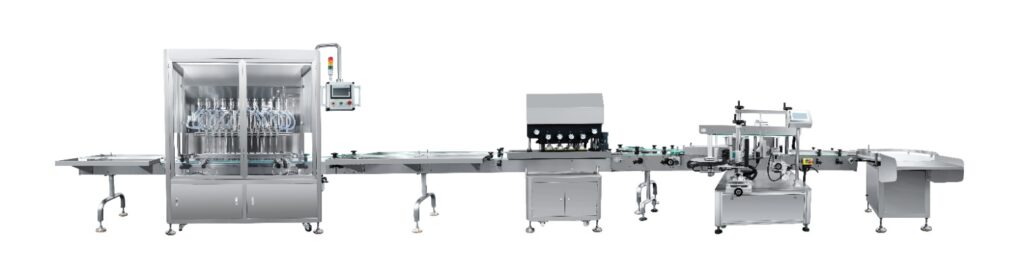
Yes — modern packaging machinery is often designed to be integrated into a complete automated line, linking systems such as fillers, sealers, labellers, check weighers and palletisers to streamline production with minimal manual intervention.
Absolutely. Packaging solutions range from semi-automatic machines ideal for smaller production runs to fully automated systems capable of high-speed throughput for large-scale factories — allowing businesses at every stage to benefit from automation.
Beyond the purchase price, you should factor in:
Installation and commissioning
Operator training
Maintenance and spare parts
Utility and energy use
Warranty and after-sales support
Evaluating total cost of ownership helps ensure long-term value.
Advanced packaging lines often incorporate inspection systems such as check weighers, vision systems and metal detectors to ensure correct fill weights, accurate labelling, and safe seals — reducing rejects and ensuring compliance with industry standards.
Yes. Many machines are adjustable or modular, enabling them to handle various product dimensions and packaging formats — offering flexibility as your product range or market needs evolve.
Yes. We provide comprehensive support, including installation, commissioning, operator training, and ongoing technical assistance to ensure your equipment runs efficiently and reliably.