
Sachet Filling vs Stick Pack Filling is one of the most common comparisons manufacturers make when choosing flexible packaging equipment. If you’re packaging powders, liquids, granules, or gels, selecting the right format directly affects production efficiency, material costs, shelf appeal, and profitability.
In this guide, we break down the key differences between sachet packaging machines and stick pack packaging machines to help South African manufacturers make an informed investment decision.
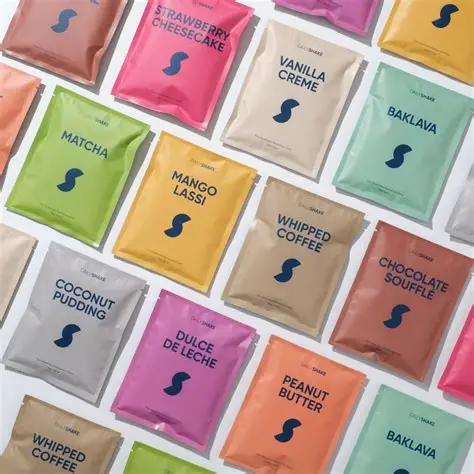
Sachet filling refers to the process of forming, filling, and sealing small, flat packets typically sealed on 3 or 4 sides. Sachets are commonly used for:
Sauces and condiments
Shampoo and cosmetic samples
Pharmaceutical powders
Instant coffee
Sugar and sweeteners
Sachet packaging machines can handle liquids, powders, granules, and pastes depending on the dosing system installed.
Larger printable surface area for branding
Flexible size options
Ideal for single-use retail and promotional packs
Works well for both viscous liquids and powders
Uses slightly more film material
Takes up more storage space compared to stick packs
Slower output on some machine models
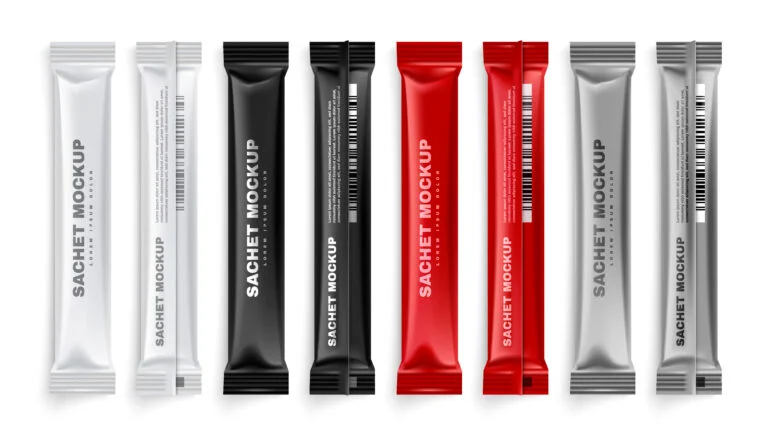
Stick pack filling produces slim, tube-shaped packets sealed vertically. These are commonly used for:
Energy drink powders
Coffee sticks
Nutritional supplements
Sugar sticks
Pharmaceutical single-dose powders
Stick packs are narrow and elongated, making them ideal for portion-controlled packaging.
Uses less packaging material
Higher output speeds
Modern, premium appearance
Compact for transport and storage
Limited width for branding
Better suited for powders and free-flowing products
Not always ideal for thicker liquids
Sachets: Flat, rectangular format
Stick Packs: Slim, vertical tube shape
Stick packs are often perceived as more modern and premium, while sachets provide more branding space.
Stick packs typically use less film material, making them more cost-effective in high-volume production.
Stick pack machines generally operate at higher speeds, especially multi-lane systems.
Sachets: Better for liquids, gels, and thicker products
Stick Packs: Best for powders and granules
Stick packs are more compact, reducing secondary packaging costs and logistics expenses.
Sugar, salt, coffee → Stick pack filling
Sauces, condiments → Sachet filling
Powder medication → Stick pack
Liquid doses → Sachet
Cream samples → Sachet
Powder supplements → Stick pack
When comparing Sachet Filling vs Stick Pack Filling, consider:
Machine investment cost
Film material cost
Production output requirements
Floor space availability
Maintenance and technical support
For high-volume powder packaging in South Africa, stick pack machines often provide a lower cost per unit. For versatile product lines with liquids and gels, sachet machines offer greater flexibility.
Both sachet and stick pack machines can be integrated with:
Automatic cartoning systems
Date coding systems
Weigh checkers
Conveyor systems
If your goal is to scale production or export into African markets, choosing the right flexible packaging system is critical for long-term ROI.
Partnering with us ensures:
Local technical support
Faster spare parts availability
Reduced downtime
On-site installation and training
This is especially important when investing in multi-lane automated packaging systems.
Not sure whether sachet filling or stick pack filling is right for your production line?
Our team at SA Packaging Machinery can assess your product type, output requirements, and budget to recommend the most cost-effective solution.
Call us today to speak to a packaging specialist. Let us help you choose the right packaging system for your business growth.
The main difference is the package shape and material usage. Sachets are flat and wider, while stick packs are narrow and use less film material.
For high-volume powder production, stick packs often result in lower material costs and higher speed efficiency.
Yes. Sachet machines are ideal for liquids, gels, and viscous products.
Stick packs are best suited for powders and granules, although certain liquid applications are possible depending on machine configuration.
It depends on your product. Startups with liquids or sauces may prefer sachet filling, while powder-based businesses may benefit from stick pack systems.