
In today’s fast-paced production environment, Form-Fill-Seal (FFS) machines are a game-changer for businesses looking to optimize packaging. These machines offer incredible flexibility, adapting to different product types, including liquids, granules, and powders. Whether you are packaging food, pharmaceuticals, or chemicals, an FFS machine can streamline your process, ensuring efficiency, precision, and cost savings.
A Form-Fill-Seal machine is an automated packaging system that forms the packaging material, fills it with the product, and seals it—all in one continuous process. These machines are available in vertical (VFFS) and horizontal (HFFS) configurations, making them versatile for different industries and product types.
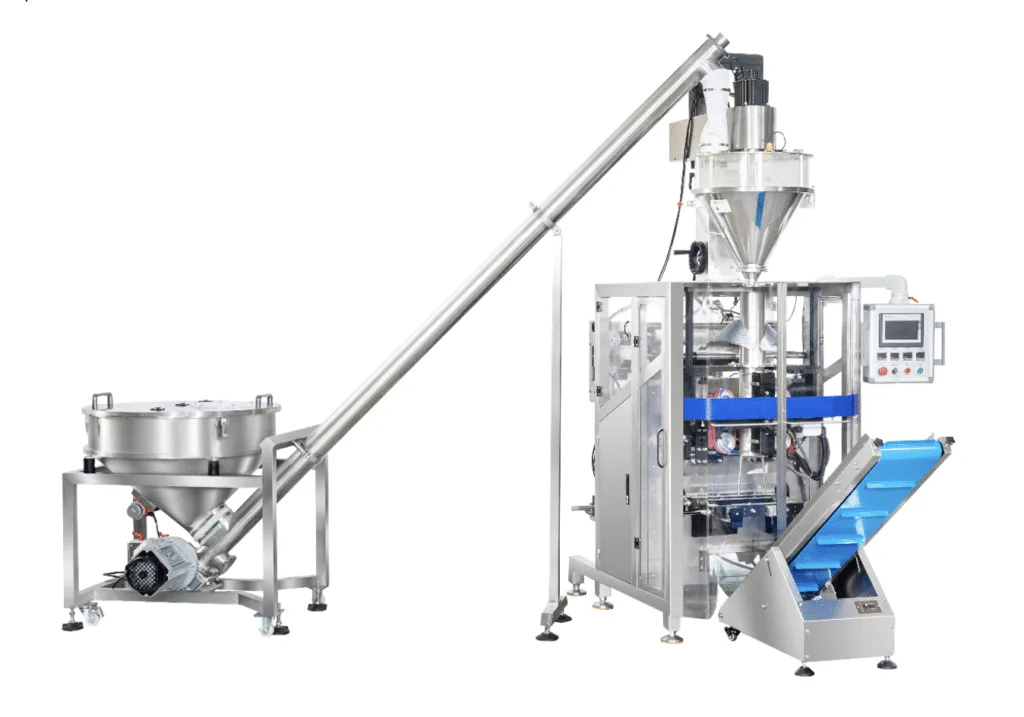
Ideal for free-flowing products like granules and powders, VFFS machines create pouches and bags efficiently.
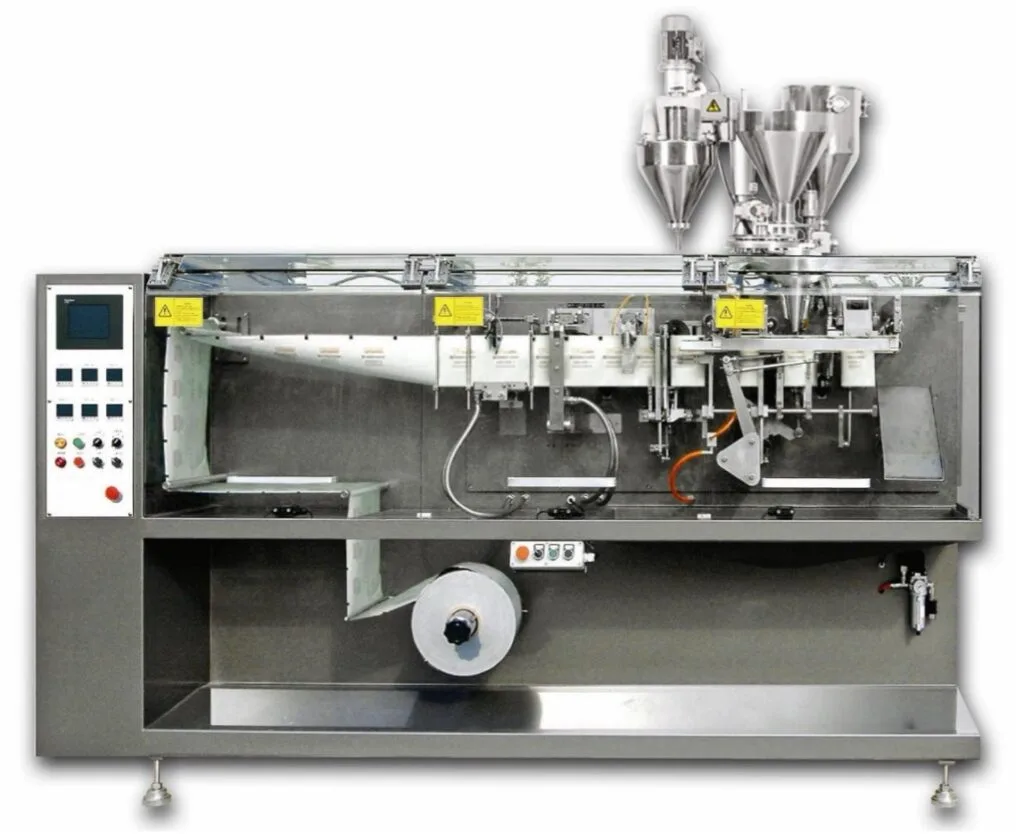
Perfect for liquid and semi-liquid products, Horizontal Form-Fill-Seal machines provide high-speed filling with superior seal integrity.

Designed for high-volume production, these machines can package multiple products simultaneously, making them ideal for pharmaceutical powders, coffee sachets, and spice blends.
Form-Fill-Seal machines are indispensable for businesses that require efficiency, flexibility, and precision in their packaging operations. Whether dealing with liquids, granules, or powders, an FFS machine can be tailored to meet your needs, ensuring cost-effective and high-quality packaging.
Looking to upgrade your packaging process? Contact us today to find the perfect Form-Fill-Seal machine for your business!
A form fill seal (FFS) machine is automated packaging equipment that forms a package from roll stock film, fills it with product, and seals it — all in one continuous process. It’s widely used across food, beverage, pharmaceutical, chemical, and consumer goods industries.
An FFS machine typically:
Forms a bag or pouch from flat film material
Fills the formed packaging with product (powder, liquid, granules, solids)
Seals the package using heat or pressure
This efficient sequence creates consistent and sealed packages ready for distribution.
FFS machines can package a wide variety of products, including:
Snack foods and confectionery
Powders and spices
Coffee and tea
Liquids and sauces
Hardware and industrial parts
Different configurations accommodate product characteristics and packaging style requirements.
Common FFS machine types include:
Vertical Form Fill Seal (VFFS) machines — ideal for vertical pouching of powders, granules, and liquids
Horizontal Form Fill Seal (HFFS) machines — used for horizontal packaging formats like wraps and sealed bags
Each serves different product types and packaging presentations.
Key benefits include:
Automation of forming, filling, and sealing in one system
Higher throughput and production speed
Reduced labour costs and manual handling
Consistent product portioning and sealing quality
Improved hygiene and reduced contamination risk
FFS machines work with materials such as:
Polyethylene (PE), polypropylene (PP) films
Laminated films for barrier protection
Heat-seal and sealant films
Material choice depends on product needs, shelf life requirements, and packaging aesthetics.
Yes. FFS machines can be equipped with specialised filling systems (such as pumps or nozzles) to handle liquids, pastes, gels, and viscous products. Proper fillers ensure accurate dosing and minimal spillage.
Absolutely. Many industrial FFS machines are designed for high-speed operations, capable of producing dozens to hundreds of packages per minute depending on product type and configuration.
By automating the packaging process with precise sealing and consistent fill levels, FFS machines minimise product waste, avoid leaks, and create professional, tamper-resistant packaging — enhancing overall product quality.
Yes. FFS machines can be part of a full packaging line that includes:
Conveyors and feeders
Check weighers
Labelers
Date coders
Case packers or cartoners
This integration boosts overall line efficiency and automation.
Routine maintenance helps ensure reliable performance and typically includes:
Cleaning film paths and sealing jaws
Checking sensors and guides
Inspecting belts and rollers
Replacing worn parts
Scheduled servicing reduces machine downtime and extends equipment life.
Consider factors such as:
Product type and characteristics
Desired output speed
Packaging format and bag style
Degree of automation needed
Consulting with a packaging specialist can help you select the ideal configuration for your production requirements.