
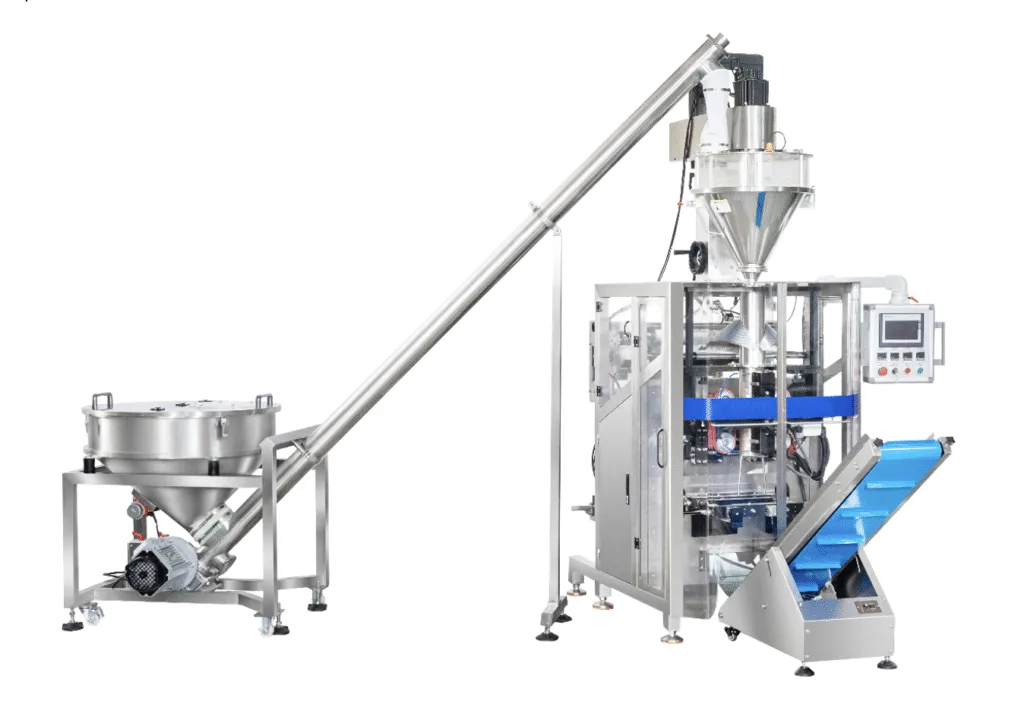
Investing in a packaging machine is a significant step towards efficiency and productivity, but regular maintenance is essential to ensure long-term performance. Proper care prevents breakdowns, reduces downtime, and extends the machine’s lifespan. Here’s how to keep your packaging equipment running smoothly.
Every machine comes with a recommended maintenance schedule. Adhering to these guidelines ensures timely servicing and helps prevent major malfunctions. Regular lubrication, inspections, and part replacements keep the machine in peak condition.
Tip: Keep a maintenance log to track servicing dates and any replaced components.
Dirt, dust, and product residue can accumulate and affect performance. Daily or weekly cleaning routines prevent blockages, contamination, and mechanical wear.
Key Cleaning Steps:
Over time, components like seals, belts, blades, and bearings wear out. Routine inspections help catch early signs of damage, preventing costly failures.
Checklist for Inspection:
Incorrect calibration can lead to inconsistent fills, sealing issues, and material wastage. Periodic calibration ensures precision and efficiency.
Calibration Best Practices:
A well-trained team reduces the risk of improper handling, which can lead to breakdowns. Operators should understand basic troubleshooting, safety measures, and best practices for operating the machine.
Training Essentials:
Using off-brand or incompatible parts can compromise performance. Always source spare parts from reputable manufacturers to ensure durability and compatibility.
Implementing a preventive maintenance plan helps detect small issues before they turn into costly problems. Regular performance checks and monitoring software can provide early warnings for necessary adjustments.
Preventive Maintenance Includes:
We also provide expert maintenance services for all our machines. From routine servicing to emergency repairs, our team ensures your equipment stays in top working condition, minimizing downtime and extending its lifespan.
Proper maintenance is key to maximizing the efficiency and lifespan of your packaging machine. By following these steps—regular cleaning, inspections, calibration, and operator training—you can minimize downtime, reduce repair costs, and ensure smooth operation for years to come.
Need expert advice or servicing for your packaging equipment? Contact us today! We offer tailored training and maintenance services to keep your machines running smoothly.
Regular maintenance keeps your packaging machine running smoothly, reduces unexpected downtime, improves product quality, and extends the lifespan of your equipment. Well-maintained machines also help reduce repair costs and increase production efficiency.
Maintenance frequency depends on usage and machine type, but as a guideline:
Daily: Clean surfaces, clear debris, inspect critical components
Weekly: Check belts, seals, sensors, and lubrication points
Monthly: Inspect electrical connections, calibrate sensors, and replace worn parts
Following a routine schedule helps prevent breakdowns.
Basic maintenance includes:
Cleaning contact parts to prevent contamination
Lubricating moving parts
Inspecting belts, rollers, and seals for wear
Checking alignment of sensors and guides
Ensuring all safety guards and emergency stops are functional
Before cleaning:
Turn off and lock out power
Remove loose debris with a brush or compressed air
Use approved cleaning agents for contact parts
Wipe down surfaces and dry thoroughly
Never spray water directly into electrical panels or sensors.
Yes. While daily cleaning and basic checks can be done in-house, scheduled professional servicing is essential for tuning, calibration, and diagnosing hard-to-detect issues. Professional technicians can replace wear parts and optimise performance.
To prevent breakdowns:
Establish a maintenance calendar
Train staff on correct operation
Keep a stock of common spare parts
Perform routine checks instead of waiting for issues
Address warning signs immediately (noises, misfeeds, slow performance)
Common wear points include:
Belts and rollers
Seals and gaskets
Sensors and switches
Conveyor chains and guides
Bearings and bushings
These should be inspected regularly and replaced before failure.
A well-maintained packaging machine ensures consistent fill levels, accurate labelling, correct sealing, and fewer misfeeds. This helps maintain product quality, reduce rejects, and create a professional finished package.
Yes. Regular checks of guards, emergency stops, electrical connections, and safety sensors help ensure operators stay safe. Maintenance also helps prevent unexpected malfunctions that can endanger staff.
Train operators on:
Daily cleaning procedures
Basic troubleshooting
Correct operation techniques
Safety protocols
How to recognise warning signs
Good training reduces errors and improves machine longevity.
Replace parts when they show signs of wear such as:
Cracks or frayed edges
Uneven motion or unusual noise
Frequent failures
Replacing parts early prevents larger breakdowns and keeps production flowing.
Absolutely. Poor maintenance can lead to:
Increased downtime
Poor product quality
Higher rejection rates
Slow production cycles
Maintaining machines properly helps deliver reliable output and keeps your line running smoothly.
Yes. Keeping detailed maintenance records helps you:
Track recurring issues
Plan part replacement schedules
Prove compliance with standards
Optimise machine uptime over time
During shutdowns:
Clean thoroughly
Inspect and replace worn parts
Lubricate all moving components
Store machine components in a dry, clean environment
This ensures a smooth restart when production resumes.