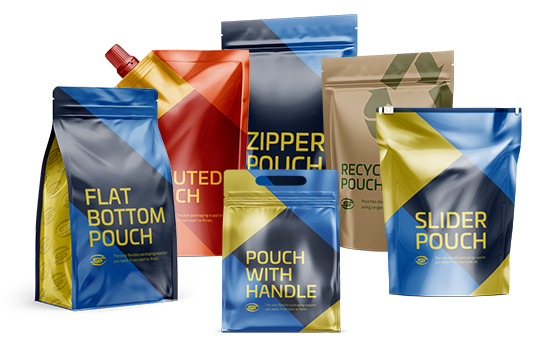
Premade bags have transformed the packaging industry, offering businesses a cost-effective and highly versatile solution for various products. From food items like coffee and snacks to powders, liquids, and even pet food, premade bags provide a professional and functional packaging option. Advances in semi-automatic and fully automatic packaging systems have made using premade bags more accessible than ever, improving production efficiency while maintaining product integrity.
The choice between semi-automatic and fully automatic packaging machines depends on production scale, speed requirements, and budget.
The cost of producing premade bags has decreased over the years, making them an increasingly attractive option for packaging. Companies like MP Packaging supply high-quality premade bags at competitive prices. Businesses that once relied on rigid containers, such as cans for coffee, are now switching to premade bags due to their lower manufacturing costs, improved storage efficiency, and reduced shipping expenses.
Premade bags are designed with convenience in mind, offering features that enhance customer experience and ensure product freshness. Common benefits include:
Many premade bags are now made with eco-friendly materials, allowing companies to reduce their environmental footprint. Compared to traditional rigid packaging, flexible pouches use less plastic, generate less waste, and require less energy to produce, making them an excellent choice for sustainability-focused businesses.
The shift toward premade bags is driven by cost savings, production efficiency, and enhanced customer convenience. Whether using semi-automatic or fully automatic machines, businesses can take advantage of these flexible packaging solutions to improve their operations. With premade bags becoming more affordable and widely available through suppliers like MP Packaging, now is the perfect time to explore this innovative packaging method for your business.
Premade bags are ready-to-use flexible bags that are supplied already formed and sealed on three sides. Unlike roll stock film used in form-fill-seal machines, premade bags are loaded individually into a packaging machine to be filled and sealed.
With premade bags, packaging machines pick up individual bags from a stack, open them, fill them with product, and then seal them. In contrast, Vertical Form-Fill-Seal (VFFS) machines form bags from a film roll before filling and sealing.
Premade bags can be used for packaging a wide variety of products including:
Powdered goods (flour, spices, protein powder)
Granules and dry foods (rice, sugar, snacks)
Liquids and sauces (with appropriate liners)
Frozen foods
Hardware and industrial products
Benefits of premade bags include:
No bag forming required, making changeovers faster
Precise bag sizes, meaning consistent pack appearance
Compatibility with many packaging machines
Reduced film waste compared to roll-stock
Ideal for printed and pre-labelled bags
Yes. Because premade bags are pre-cut to size and often printed to specification, they can reduce excess film usage and trimming waste — especially when compared with form-fill-seal roll stock machines.
Common machines that can use premade bags include:
Horizontal packaging machines
Premade pouch fill-and-seal systems
Automatic bag pick-and-place machines
Multi-head weighers with bag loaders
These machines automate the bag pick, open, fill, and seal process.
Yes. When paired with the right packaging machine (like an automatic premade bag filler), premade bags can be used in high-speed lines for products such as snacks, pet food, powders, and confectionery.
Bag size selection depends on your product volume, product type, and retail or distribution requirements. Factors to consider include:
Product weight per pack
Bag width and length
Desired cavity shape
Packaging aesthetics and branding
A packaging specialist can help determine the ideal bag sizes.
Premade bags can be made from:
Polyethylene (PE)
Polypropylene (PP)
Laminated films
Barrier materials for moisture/oxygen protection
Kraft paper or compostable films (for eco-friendly packaging)
Material choice depends on product characteristics and shelf-life needs.
Yes — premade bags can be custom-printed with logos, product information, barcodes, and regulatory text before they are loaded into the packaging machine. This supports brand visibility and compliance.
Premade bag packaging machines are designed for straightforward maintenance, such as cleaning bag grabs, adjusting guides, and checking sealing jaws. Routine maintenance improves reliability and reduces downtime.
Premade bags can reduce changeover time (because there’s no film forming), improve consistency in bag dimensions, and minimise waste — all of which contribute to smoother production and higher throughput.