
Which Machines Are Used For Packaging

Types of Packaging Machines are essential for preparing products for storage, transport, and sale. These machines improve efficiency and consistency in manufacturing. The choice of packaging machinery depends on the type of product, the packaging material, and the desired packaging format. Here are some common types of packaging machines:
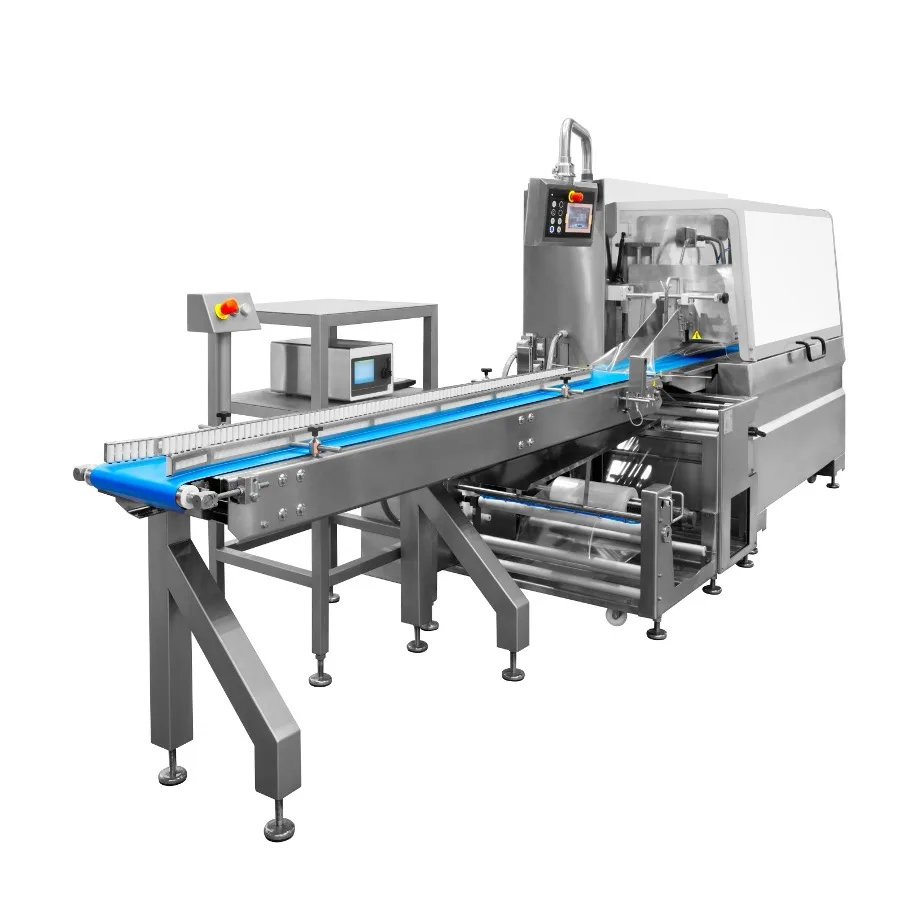
shrink wrapping machines
Flow Wrap Machine
  • Liquid Filling Machines: Used for beverages, oils, sauces, and other liquids.
  • Powder Filling Machines: Suitable for flour, spices, and powdered chemicals.
  • Granule Filling Machines: For rice, sugar, seeds, and similar products.
  • Flow Wrappers (Horizontal Flow Wrapping Machines): Wrap individual items like chocolates, biscuits, and soap bars.
  • Stretch Wrapping Machines: Secure loads on pallets using stretch film.
  • Shrink Wrapping Machines: Apply heat to shrink plastic film tightly around products.
  • Heat Sealers: Seal plastic films and bags using heat.
  • Vacuum Sealers: Remove air from the package before sealing, ideal for food preservation.
  • Impulse Sealers: Provide an instant seal for bags and films.
  • Horizontal Cartoners: Insert products into cartons from the side.
  • Vertical Cartoners: Load products into cartons from the top.
  • Wrap-Around Cartoners: Wrap the carton around the product.
  • Automatic Labeling Machines: Apply labels to bottles, cans, and boxes.
  • Print and Apply Labeling Systems: Print labels on demand and apply them to products or packages.
  • Vertical Form Fill Seal (VFFS) Machines: Create bags from a flat roll of film, fill them with product, and seal them.
  • Horizontal Form Fill Seal (HFFS) Machines: Similar to VFFS but the packaging film is fed horizontally.
  • Used for pharmaceuticals, consumer goods, and electronics to create a cavity or pocket made from a formable web, usually a thermoformed plastic.

Palletizing Machines

  • Robotic Palletizers: Use robots to place products onto pallets.
  • Conventional Palletizers: Use mechanical arms and conveyors to stack products on pallets.

Case Packing Machines

  • Wrap-Around Case Packers: Enclose products in a wrap-around case.
  • Drop Packers: Drop products into cases from above.
  • Side-Load Case Packers: Insert products into cases from the side.
  • Vertical FFS: For packaging products in bags.
  • Horizontal FFS: For packaging products in pouches and sachets.
  • Apply caps to bottles and containers, commonly used in beverage and pharmaceutical industries.

Strapping Machines

  • Secure boxes, pallets, and bundles with plastic or metal straps.

Depalletizing Machines

  • Remove products from pallets for further processing or packaging.

Sleeve Wrapping Machines

  • Wrap a sleeve of plastic around products, often used for bundling multiple items together.

Stick Pack Machines

  • Create narrow, tube-like packets commonly used for single-serve products like sugar, drink mixes, and pharmaceuticals.
  • Fill and seal tubes, commonly used for cosmetics, pharmaceuticals, and adhesives.

These machines can be used individually or integrated into automated packaging lines to handle various packaging tasks, improving efficiency, consistency, and output quality.

Frequently Asked Questions — Types of Packaging Machines

1. What are the main types of packaging machines?

Packaging machines help prepare products for storage, transport, and sale. Common types include:

  • Form-Fill-Seal Machines

  • Cartoning Machines

  • Flow Wrappers

  • Labelers

  • Cappers and Closers

  • Blister Packaging Machines
    These machines automate repetitive tasks and improve production speed.

2. How does a Form-Fill-Seal machine work?

A Form-Fill-Seal (FFS) machine forms packaging from a roll of film, fills the product into it, and seals the pack — all in one continuous process. They are widely used for powders, granules, liquids, and more.

This is one of the most common types of packaging machines in food, chemical, and pharmaceutical plants.

3. What packaging machines are used for liquids?

Liquid packaging typically uses machines such as:

  • Liquid fillers

  • Bottle cappers

  • Labelling machines
    Combining these into one line speeds up production and reduces labour cost.

4. Which machines are used for powder packaging?

Powder-specific packaging usually involves:

  • VFFS machines with auger fillers

  • Pouch sealers

  • Vertical auger fillers
    These ensure accurate dosing and clean sealing — essential for products like flour, spices and powdered drinks.

5. What is a cartoning machine used for?

Cartoning machines erect cardboard cartons, fill them with products, and close them. They are ideal for packaging foods, cosmetics, pharmaceuticals, and consumer goods.

6. Can packaging machines be used together in a production line?

Yes — packaging machines are often linked as part of a complete automated line. For example:
Product → Feeder → Filler → Sealer → Labeller → Cartoner → Case Packer

This integration improves efficiency and reduces manual handling.

7. How do I select the right packaging machine for my product?

Choose machines based on:

  • Product type (solid, liquid, powder)

  • Packaging style (bag, bottle, carton)

  • Output speed requirements

  • Hygienic standards
    A packaging specialist can advise the right combination.