In the world of packaging, businesses must decide between manual packaging and automated packaging machines. While manual processes may seem cost-effective at first, investing in machinery offers significant advantages in terms of efficiency, consistency, and long-term savings.
Manual packaging requires considerable time and labour, limiting output and making it difficult to scale production. In contrast, automated packaging machines can handle large volumes quickly, ensuring faster processing and greater productivity.
A single employee may take minutes to package one product, while a machine can package hundreds or thousands per hour, significantly boosting efficiency.
Human error in manual packaging can lead to uneven fills, improper sealing, and packaging defects. Machines provide precision and uniformity, ensuring that every package is consistent in weight, size, and seal quality.
An auger screw VFFS machine ensures precise measurements for powders, reducing material waste and improving product quality.
While manual packaging seems cheaper upfront, labour costs, material waste, and inefficiencies can add up over time. Packaging machines reduce the need for excess labour, minimize material wastage, and enhance productivity, leading to substantial cost savings.
A Vertical Form Fill Seal (VFFS) machine can package products at a fraction of the cost per unit compared to manual labour.
For industries like food, pharmaceuticals, and cosmetics, maintaining strict hygiene standards is essential. Manual handling increases the risk of contamination and inconsistencies, while machines operate in a controlled, sanitary environment that meets regulatory standards.
A cup filling and sealing machine for raw foods ensures airtight seals, preventing contamination and extending shelf life.
As demand increases, businesses using manual packaging may struggle to keep up. Automated machines enable companies to scale production seamlessly, meeting market demand without compromising on quality or delivery timelines.
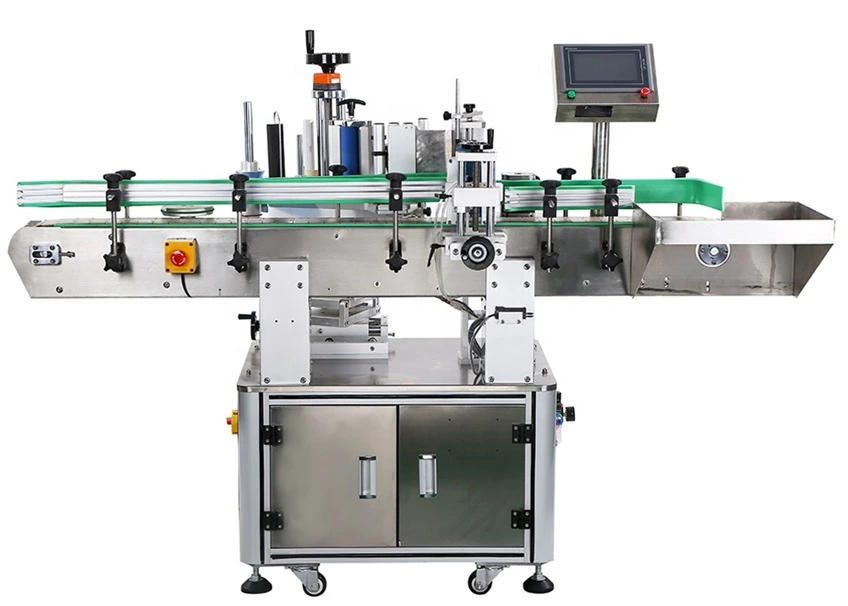
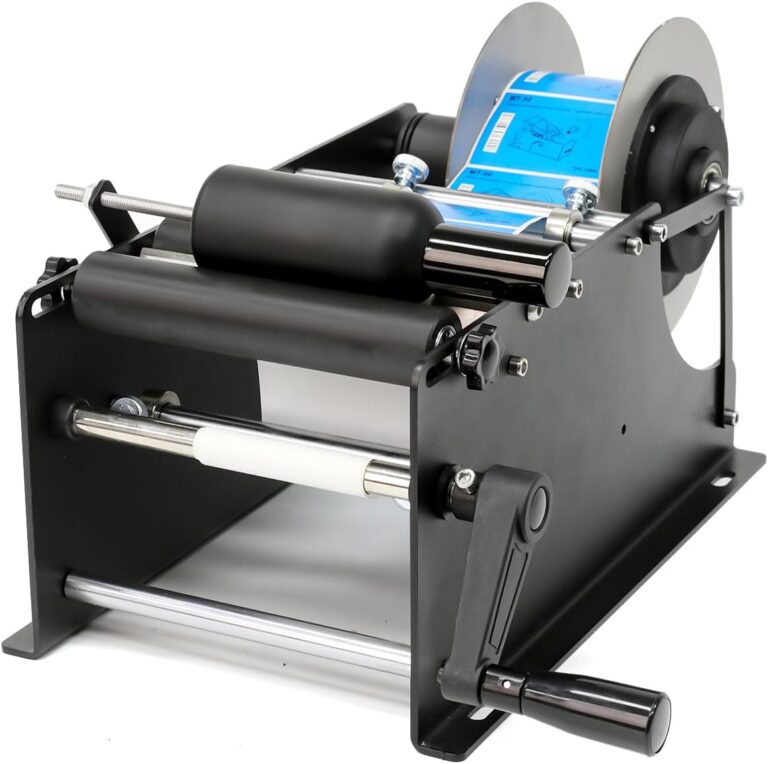
A bottle labelling machine allows manufacturers to label thousands of bottles per hour, making it easy to meet growing customer needs.
Switching from manual to automated packaging machines is a strategic investment that enhances efficiency, accuracy, cost savings, and hygiene compliance. Whether packaging food, pharmaceuticals, powders, or liquids, automation ensures high-quality results and a competitive edge in the market.
Looking for the right packaging machine for your business? Contact us today!
Machine packaging uses automated equipment to handle tasks like filling, sealing, labelling, and packing, while manual packaging relies on human operators performing these tasks by hand. Machines improve speed, consistency, hygiene, and reduce labour costs compared to manual methods.
Machine packaging offers significant advantages, including:
Higher production speeds
Consistent quality and accuracy
Reduced labour dependency
Lower product waste
Better hygiene and safety
These make machines a smart investment for scaling operations.
Yes. Packaging machines ensure repeatable processes, exact fill levels, consistent seals, and precise labelling — which leads to better overall product quality and reduces errors common with manual packaging.
Absolutely. Machines automate repetitive tasks that would otherwise require multiple staff members. This reduces overall labour hours, minimizes fatigue-related mistakes, and allows workers to focus on higher-value tasks like quality control or dispatch.
Yes. Automated machines minimise human contact with products, lowering the risk of contamination — a crucial advantage for food, beverage, pharmaceutical, and personal care packaging where hygiene standards are strict.
Packaging machines can operate continuously and at high throughput levels, often producing dozens to hundreds of packages per minute depending on the system. This dramatically improves output compared to manual efforts.
Machines can handle a wide range of tasks, including:
Filling (liquid, powder, granules)
Sealing and capping
Labelling and coding
Cartoning and case packing
Shrink wrapping and bundling
Inspection and rejection systems
These tasks can be sequenced into a fully automated line.
Yes. There are semi-automatic machines designed for small to medium volumes that offer many benefits of automation without the cost of full industrial lines. These machines improve consistency and reduce manual workload.
Yes. Packaging machines reduce manual handling and repetitive strain tasks, lowering workplace injury risk. Built-in safety features like guards, emergency stops, and sensors also protect operators during use.
While machine packaging requires upfront investment, it usually reduces overall production costs by lowering labour expenses, reducing rework and waste, and increasing output — leading to a better return on investment (ROI) over time.
Yes. Packaging machines are modular and can be integrated with conveyors, weighers, labellers, coders, and case packers to form a complete automated line that improves efficiency and reduces handling.
Not completely. While machines automate repetitive tasks, human oversight is still important for machine operation, quality control, maintenance, and troubleshooting — often shifting labour to higher-value roles rather than eliminating it.
Consider the following:
Product type and packaging format
Production volume and speed requirements
Budget and available space
Hygienic or compliance needs
Consulting with a packaging specialist helps identify the best machine solution tailored to your needs.
Common challenges include:
Upfront investment and budgeting
Training staff on new systems
Line integration planning
Initial calibration and testing
However, these are usually outweighed by long-term gains in efficiency and consistency.