When it comes to modern production lines, choosing the right equipment makes all the difference. Businesses in food, retail, and manufacturing rely heavily on different types of packaging machines and uses to protect their products, increase shelf life, and improve efficiency. Among the most commonly used are VFFS (Vertical Form Fill Seal) machines, Shrink Wrap machines, and Flow Wrap machines. Each serves a unique purpose and offers distinct advantages depending on the type of product being packaged.
In this article, we’ll break down these three popular types of packaging machines, explain their functions, and highlight where they are best applied.
One of the most versatile types of packaging machines & uses in the industry is the Vertical Form Fill Seal (VFFS) machine. These machines are designed to create, fill, and seal packages all in one continuous process.
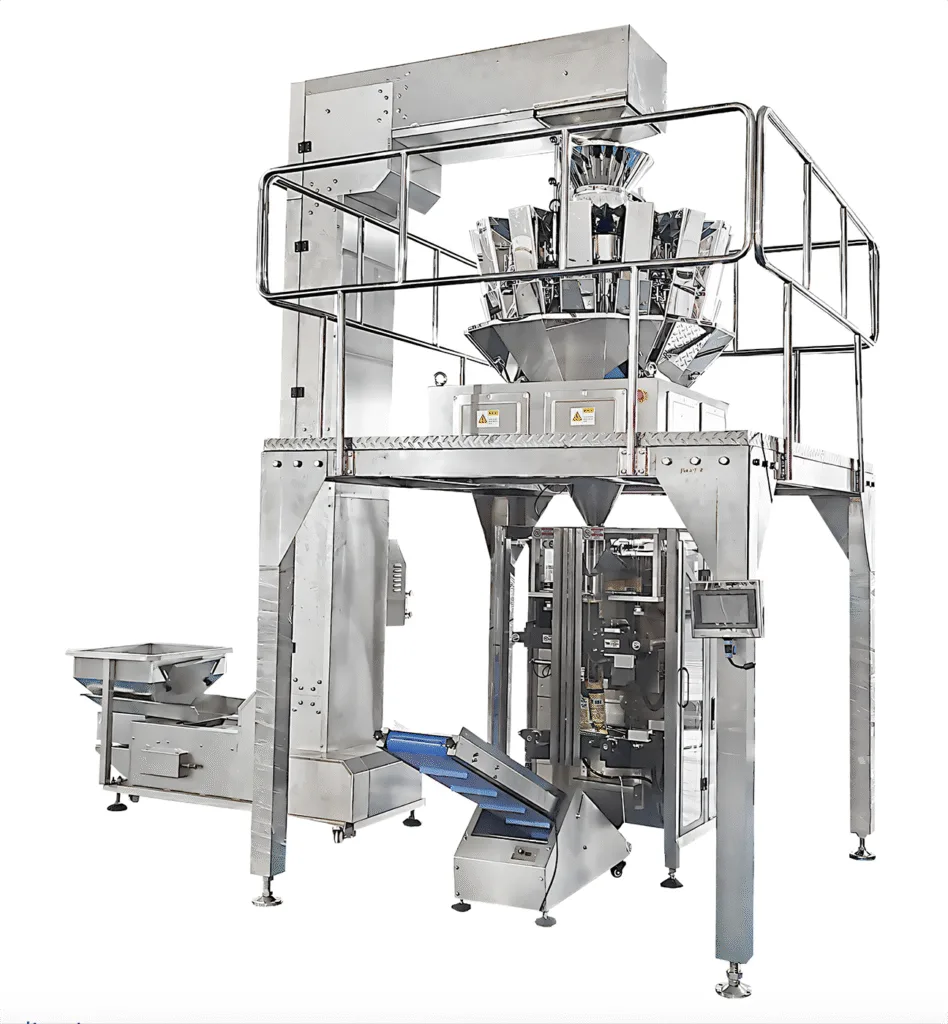
A roll of film is fed into the machine, shaped into a bag or pouch, filled with the product (liquids, powders, or solids), and then sealed. The entire cycle is fast, automated, and cost-efficient.
For manufacturers handling large volumes, VFFS machines provide both speed and accuracy, making them a staple in food and FMCG industries.
For a better understanding of how the process works, watch our Vertical Form Fill Seal Machine video demonstration to see it in action
Next on our list of types of packaging machines and uses are Shrink Wrap machines. These are essential for businesses that need secure, tamper-evident packaging while still showcasing the product.
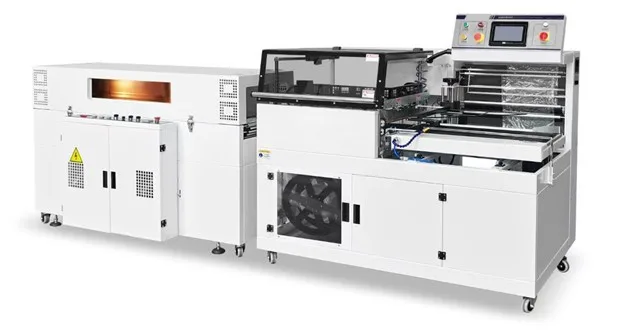
Products are wrapped in a plastic film which shrinks tightly when exposed to heat. This creates a secure, protective layer around the item.
Shrink Wrap machines are widely used in retail and logistics because they offer both protection and visual appeal, making products attractive to consumers while safe in transport.
For a better understanding of how the process works, watch our Shrink Wrap Machine video demonstration to see it in action
The third category in types of packaging machines & uses is the Flow Wrap machine. These machines are designed to wrap products in a continuous motion, making them ideal for high-volume packaging lines.
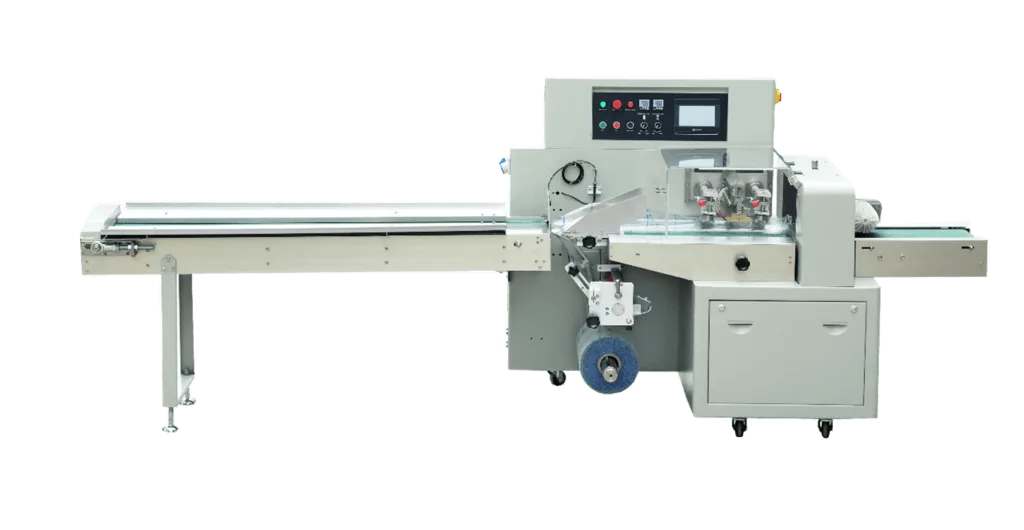
Products are fed onto a conveyor, where a continuous film wraps around them. The film is then sealed at the ends and cut to create individual packages.
Flow wrapping not only keeps products safe and fresh but also delivers a polished look suitable for retail display.
For a better understanding of how the process works, watch our Flow Wrap Machine video demonstration to see it in action
Understanding the types of packaging machines & uses is essential for selecting the right equipment for your production line. While VFFS machines are ideal for bulk and versatile packaging, Shrink Wrap machines are perfect for protective, tamper-proof packaging, and Flow Wrap machines excel at fast, high-volume wrapping.
The choice depends on your product type, production volume, and desired packaging outcome. Many businesses use a combination of these machines to cover different packaging needs efficiently.
Packaging is more than just a way to contain products—it’s a powerful tool for protection, branding, and efficiency. By exploring the types of packaging machines & uses, specifically VFFS, Shrink Wrap, and Flow Wrap machines, businesses can make informed decisions that enhance their production lines and improve customer satisfaction.
Whether you’re packaging snacks, fresh produce, or consumer goods, the right machine can streamline operations and deliver the perfect balance of speed, safety, and appeal.
Looking to invest in the right packaging solution for your business? Our team of experts can help you choose the best machine for your needs—whether it’s VFFS, Shrink Wrap, or Flow Wrap packaging.
Get in touch today and take your packaging to the next level!
Some of the most common packaging machines used in manufacturing include VFFS machines, flow wrap machines, shrink wrap machines, filling machines, and labeling machines. Each type is designed for a specific packaging task such as bagging, wrapping, sealing, or labeling products.
Packaging machines are used across many industries including food and beverage, pharmaceuticals, cosmetics, agriculture, retail, and consumer goods manufacturing. These machines help businesses improve efficiency, protect products, and ensure consistent packaging quality.
A Vertical Form Fill Seal (VFFS) machine is used to form bags from film, fill them with products, and seal them in one automated process. They are commonly used for snacks, coffee, rice, powders, sauces, and frozen foods.
Flow wrap machines are ideal for solid, uniform products such as chocolate bars, biscuits, baked goods, medical items, and small household products. They wrap items horizontally in a continuous film for high-speed packaging.
Shrink wrap machines apply heat to plastic film so it tightly conforms to the product. They are commonly used for bundling bottles, packaging fresh produce, wrapping books or electronics, and protecting products during transport.
Automated packaging machines reduce manual labour, increase packaging speed, and ensure consistent product sealing and presentation. This improves production output while minimizing packaging errors and material waste.
Yes. Many modern packaging machines are adjustable and configurable to handle various product sizes and packaging formats. Changeovers can often be completed quickly to switch between product types.
Choosing the right machine depends on several factors, including:
Product type (solid, powder, liquid)
Production speed requirements
Packaging format (bag, pouch, wrap, or bundle)
Available floor space
Budget and automation level
Yes. Many manufacturers offer entry-level or semi-automatic machines that are ideal for small and medium-sized businesses looking to increase efficiency without a fully automated production line.
Automated packaging systems offer several advantages, including:
Higher production speeds
Consistent packaging quality
Reduced labour costs
Improved hygiene and product safety
Lower material waste
These benefits help businesses scale production and maintain professional packaging standards.