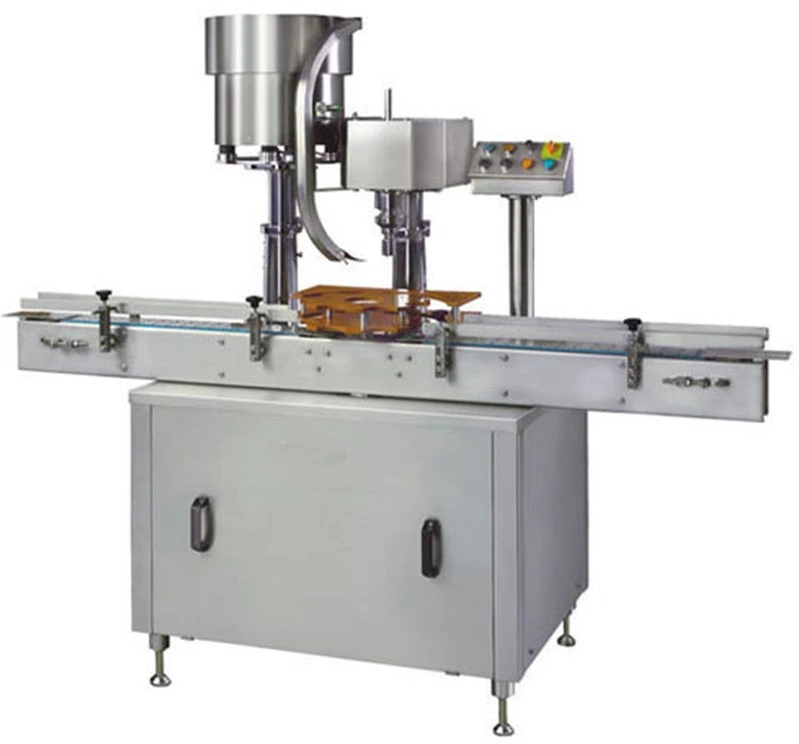
When exploring ways to improve packaging efficiency, understanding the Benefits of Automatic Bottle Capping Machines is essential. These machines play a vital role in helping manufacturers achieve faster production, better sealing consistency, and optimized labour costs. Whether you work in food, beverage, cosmetics, household goods, or pharmaceuticals, automatic capping machines provide major advantages that directly impact your productivity and profitability.
Automatic bottle capping machines are industrial systems designed to place and secure caps on bottles at high speed with consistent torque. They integrate seamlessly with filling lines and help eliminate manual bottling errors. These machines come in various types—spindle cappers, chuck cappers, snap cappers, and rotary cappers—each used for different cap and bottle types.
One of the biggest Benefits of Automatic Bottle Capping Machines is speed. Manual capping can slow down your production and introduce fatigue-based errors. Automatic systems can cap hundreds or thousands of bottles per hour depending on the model. This instantly boosts productivity and ensures your operation keeps up with market demand.
Consistent torque and proper sealing are crucial in preventing leaks, spoilage, or contamination. Automatic capping machines deliver uniform results across every bottle. This guarantees product integrity and reduces the risk of returns or customer complaints.
Automating the capping process minimizes the need for manual labour. Instead of multiple workers handling bottle capping, one operator can oversee the entire system. This reduces workforce expenses and lowers the risk of repetitive strain injuries.
Improper sealing often leads to damaged products, leaks, or full batches that need to be redone. Automatic cappers significantly reduce these issues by ensuring precision capping. Over time, this means more product reaching the shelves and less money wasted on rework.
Modern automatic bottle capping machines integrate easily with filling machines, conveyors, labeling systems, and inspection units. This creates a smooth, high-efficiency packaging line that improves overall operational harmony and throughput.
Many automatic cappers are adjustable and can handle:
Plastic or glass bottles
Screw caps
Flip-top caps
Press-on caps
Metal caps
Specialty closures
This flexibility means manufacturers can expand their product range without having to invest in multiple systems.
Automatic cappers can include torque monitoring, rejection systems, and sensors that detect missing caps or misaligned bottles. This ensures only perfect products move further down the line.
Although the initial investment may seem high, the long-term Benefits of Automatic Bottle Capping Machines—reduced labour, less waste, higher output, and lower error rates—result in a significant return on investment.
You should consider upgrading to an automatic system if:
Your production volume is growing
You experience frequent sealing issues
Manual labour is becoming too costly
Your line speed is limited by slow capping
You are expanding to new bottle or cap types
If any of these apply, an automatic bottle capping machine can dramatically improve your operational efficiency.
Ready to improve your production line with the Benefits of Automatic Bottle Capping Machines?
Contact our team for pricing, machine recommendations, and full system integration support.
Most machines are adjustable, but compatibility depends on bottle size, cap type, and material. Custom grippers or change parts may be needed.
No. They are engineered for industrial use and require routine cleaning and lubrication. Most operators learn maintenance quickly.
Speeds vary from 20 bottles per minute (BPM) up to 300+ BPM depending on the model.
Yes. Their consistent torque and sealing accuracy prevent leaks, spills, and quality-control issues.