Horizontal Form Fill Seal (HFFS) machines are designed for continuous production, but like any automated packaging equipment, regular maintenance is essential for consistent performance. A well-maintained machine produces reliable seals, accurate filling, smooth film tracking, and fewer unexpected breakdowns.
Whether you operate a food packaging line, pharmaceutical facility, cosmetic plant, or industrial manufacturing operation, implementing a preventative maintenance schedule can significantly reduce downtime while extending the lifespan of your equipment.
This guide explains the recommended daily, weekly, and monthly maintenance tasks for HFFS machines, along with common maintenance tips that help keep production running efficiently.
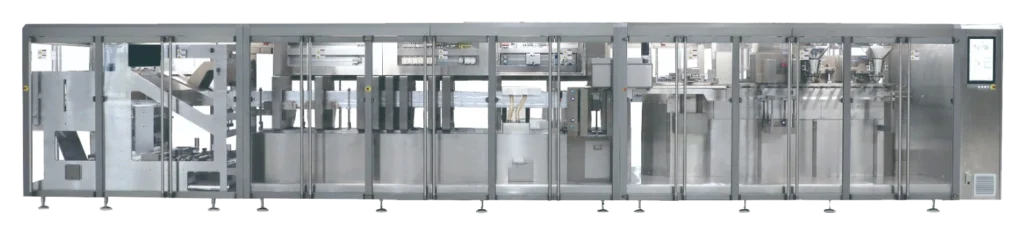
Routine maintenance helps prevent small issues from becoming costly failures.
Benefits include:
Even simple inspections performed daily can prevent expensive production interruptions.
Daily maintenance focuses on cleanliness and quick inspections before production begins.
The sealing jaws are one of the most critical components of an HFFS machine.
Inspect for:
Dirty sealing jaws often cause:
Always clean using manufacturer-approved cleaning materials.
Incorrect film tracking causes:
Check:
Proper alignment improves packaging quality while reducing film waste.
Modern HFFS machines rely on multiple sensors for accurate operation.
Inspect:
Clean sensor lenses if dust or packaging residue has accumulated.
Many HFFS systems use pneumatic components.
Verify:
Incorrect air pressure often affects sealing consistency and machine timing.
Ensure:
Never bypass machine safety systems.
Weekly inspections focus on wear items and moving components.
Follow the lubrication schedule recommended by the manufacturer.
Common components include:
Over-lubrication can be as harmful as insufficient lubrication.
Check for:
Replacing worn belts before failure helps avoid unexpected downtime.
Servo motors provide precise positioning for:
Inspect for:
Modern servo systems generally require minimal maintenance but should still be inspected regularly.
Dull cutting blades can produce:
Replace blades when cutting quality declines.
Monthly maintenance involves more detailed inspections.
Check:
Dust inside electrical cabinets should be cleaned using appropriate procedures.
The sealing system depends on consistent temperature control.
Inspect:
Inconsistent temperatures often result in poor seal quality.
Look for:
Damaged rollers frequently cause film tracking issues.
Regular calibration helps maintain:
Calibration becomes especially important after replacing major components.
Possible causes include:
Common causes:
Possible causes:
Often linked to:
Develop a documented preventative maintenance schedule that includes:
Recording maintenance activities helps identify recurring issues before they become major failures.
Many manufacturers minimise downtime by keeping commonly replaced components on hand, such as:
Having critical spare parts readily available can significantly reduce repair times when unexpected issues arise.
While operators can perform routine maintenance, periodic servicing by qualified technicians is recommended to inspect electrical systems, calibrate machine settings, replace worn components, and verify overall performance.
Professional servicing can help identify potential issues before they lead to costly production interruptions and ensure the machine continues to operate within manufacturer specifications.
Routine checks should be completed daily, with more detailed inspections carried out weekly and monthly. Professional servicing intervals depend on production volume, operating conditions, and the manufacturer’s recommendations.
Key components include sealing jaws, film tracking rollers, sensors, cutting blades, servo systems, pneumatic components, and heating elements.
Preventive maintenance helps reduce unexpected downtime, improve seal quality, extend equipment life, minimise product waste, and maintain consistent production performance.
Signs may include poor seal quality, inconsistent pack sizes, film tracking problems, unusual noise, increased downtime, or frequent machine alarms.
Yes. Operators can typically carry out daily cleaning, visual inspections, and basic maintenance tasks. More complex servicing, calibration, and electrical work should be performed by qualified technicians.