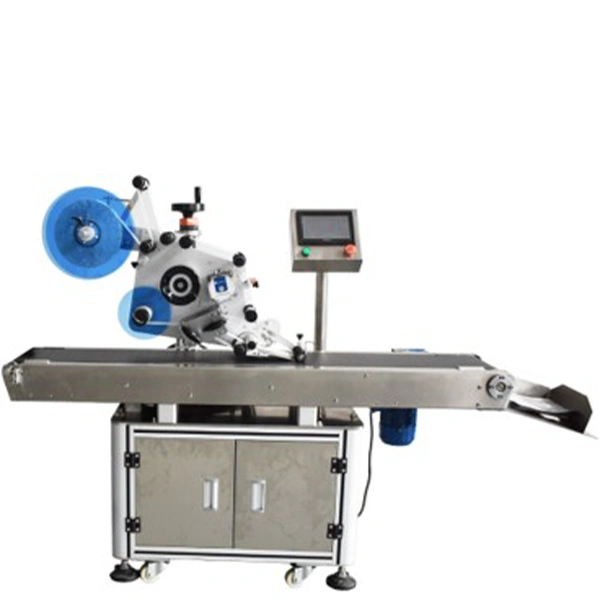
Regular labelling machine maintenance is one of the easiest ways to improve production efficiency, reduce costly downtime and ensure every label is applied accurately. Whether you operate a semi-automatic or fully automatic labelling machine, preventative maintenance helps keep sensors, applicators, conveyors and rollers performing at their best.
Poor maintenance often leads to skewed labels, missed applications, product jams and unnecessary wear on critical components. By following a simple maintenance schedule, manufacturers can improve machine reliability while extending equipment lifespan.
This guide explains the essential daily, weekly and monthly maintenance tasks every operator should follow.
Routine maintenance provides several important benefits:
Preventative maintenance is significantly less expensive than emergency repairs and production stoppages.
Daily inspections only take a few minutes but can prevent major issues.
The peel plate is where labels separate from the backing paper.
Remove:
A dirty peel plate can cause labels to tear or dispense incorrectly.
Inspect the applicator for:
Clean using manufacturer-approved cleaning products.
Never use abrasive tools that may scratch precision components.
Check conveyor belts for:
Proper belt tracking ensures containers move consistently through the labelling station.
Inspect pressure rollers and guide rollers for:
Clean rollers regularly to maintain even label pressure.
Confirm:
Improper loading is one of the most common causes of labelling problems.
Perform these inspections every week.
Most labelling machines use sensors to detect:
Dirty sensors may fail to detect labels correctly.
Clean using a soft cloth and approved cleaning solution.
Verify that:
Recalibrate sensors if necessary.
Run several test products and confirm:
Registration errors often indicate sensor or conveyor issues.
Inspect:
Tighten any loose fasteners before production begins.
Monthly servicing focuses on wear components.
Check for:
Replace worn belts before failure.
Where recommended by the manufacturer:
Avoid over-lubrication, as excess lubricant attracts dust and adhesive particles.
Check:
Electrical faults often begin with loose connections.
If your machine uses compressed air:
Leaks reduce performance and increase operating costs.
The applicator assembly is the heart of the labelling machine.
Inspect for:
A clean peel plate ensures labels separate cleanly from the liner without wrinkling.
Belts and rollers determine how smoothly products travel through the machine.
Inspect regularly for:
Replacing worn rollers early prevents expensive production stoppages.
Registration refers to placing every label in exactly the same position.
Regularly verify:
Accurate registration improves product appearance and reduces waste.
Avoid these common errors:
| Frequency | Tasks |
|---|---|
| Daily | Clean peel plate, applicator, rollers, conveyor, inspect label roll |
| Weekly | Clean sensors, check calibration, inspect registration, tighten fasteners |
| Monthly | Inspect drive belts, lubricate moving parts, inspect electrical and pneumatic systems |
A preventative maintenance routine keeps your labelling machine running accurately, efficiently and reliably. Simple daily cleaning, weekly inspections and monthly servicing help reduce downtime, improve label quality and extend the life of your equipment.
By following a structured maintenance schedule, manufacturers can minimise costly repairs while maintaining consistent production performance.
Need help servicing your labelling machine or looking for expert maintenance advice? SA Packaging Machinery supplies reliable labelling solutions and ongoing technical support to help you maximise uptime and production efficiency.
Contact our team today for maintenance assistance, spare parts or expert guidance on selecting the right labelling solution for your production line.
Basic cleaning and inspections should be performed daily, with more detailed maintenance completed weekly and monthly. Manufacturer-recommended servicing intervals should also be followed.
Crooked labels are commonly caused by dirty sensors, worn rollers, incorrect product guides, poor conveyor alignment or improper label roll installation.
Remove adhesive residue using a soft cloth and a manufacturer-approved cleaning solution. Avoid abrasive tools that may damage the dispensing edge.
Common wear components include rollers, drive belts, peel plates, sensors, conveyor belts and pressure rollers, depending on production volume.
Proper sensor calibration ensures labels are detected accurately, maintaining correct label placement and preventing missed or double-applied labels.
es. Dirty components, worn rollers or incorrectly calibrated sensors can slow production, increase downtime and cause frequent labelling errors.