Automatic capsule filling machines play a crucial role in pharmaceutical manufacturing, enabling the efficient and precise filling of capsules with powders, pellets, or granules. Much like a pastry chef efficiently piping icing onto a tray of cupcakes, these machines streamline the process by orienting, opening, filling, and sealing capsules at high speeds, often producing thousands of capsules per minute.
Think of automatic capsule fillers as high-tech production lines dedicated to medicine encapsulation. Similar to how an automated assembly line in a factory performs repetitive tasks with precision, these machines handle every step of the process—sorting empty capsules, accurately dispensing the correct dosage, and sealing them securely. This automation is essential for large-scale pharmaceutical production.
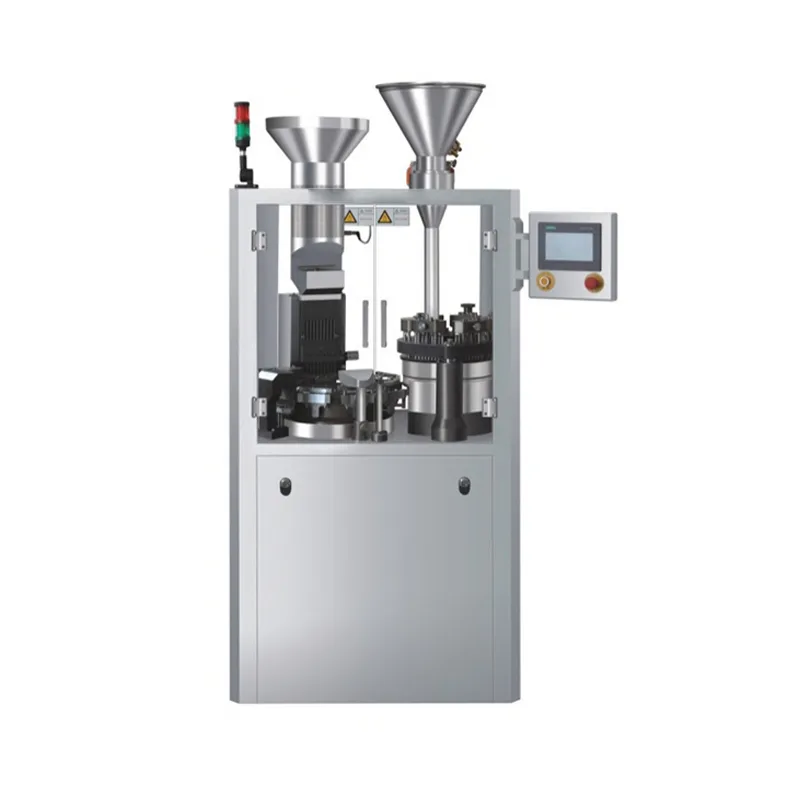
The capsule filling process begins with aligning and separating the empty capsules, much like organizing playing cards to face the same direction. A vacuum system then separates the capsule bodies from the caps, ensuring they are ready for filling.
Once the capsules are open, the machine dispenses the necessary substance—whether powder, granules, or pellets—into each one. This step can be compared to measuring out baking ingredients to ensure consistency. Advanced tamping mechanisms pack the material evenly, preventing spillage and ensuring uniform dosage.
After filling, the caps are securely reattached to the bodies, similar to sealing a jar to preserve its contents. The completed capsules are then expelled from the machine, ready for the next phase of packaging and distribution.
These machines come equipped with intuitive touchscreen controls, easy-to-clean components, and built-in sensors that monitor the process, alerting operators to any issues. Just as a car dashboard displays warning indicators, these sensors help maintain smooth operation, reducing downtime and enhancing efficiency.
With the ability to fill hundreds or even thousands of capsules per minute, these machines significantly enhance production rates, ensuring pharmaceutical companies can meet demand without sacrificing quality.
Every capsule is filled with an exact dosage, thanks to advanced tamping and measuring systems that eliminate variability and human error.
Designed with stringent pharmaceutical standards in mind, these machines include easy-to-clean parts and contamination-prevention mechanisms, ensuring product safety and regulatory compliance.
Although the initial investment in an automatic capsule filler is substantial, its ability to reduce labor costs and improve efficiency makes it a worthwhile investment in the long run.
Choosing the most suitable automatic capsule filler depends on production volume, capsule size requirements, and material properties. Machines with sophisticated tamping and real-time monitoring systems are ideal for delicate substances and precise dosing needs.
To maximize efficiency and longevity, regular maintenance is essential. Cleaning the machine after each use, conducting routine component checks, and following a scheduled maintenance plan can prevent unexpected breakdowns and ensure continuous operation.
Automation and smart technologies are shaping the future of capsule filling. IoT-integrated systems and real-time monitoring advancements are improving efficiency by enabling predictive maintenance and automated adjustments to maintain optimal performance.
Automatic capsule filling machines are indispensable in modern pharmaceutical production. By streamlining the encapsulation process, they enhance efficiency, accuracy, and safety, ultimately ensuring that every capsule delivers the correct dosage reliably. As technology advances, these machines will continue to evolve, offering even greater precision and automation to meet the growing demands of the industry. Contact us today to learn more about our capsule filling solutions and discover how we can help you improve production efficiency and meet pharmaceutical quality standards.
An automatic capsule filler is specialised packaging equipment used to automatically fill empty capsules with powders, granules, pellets, or micro-tablets at high speed — providing accuracy and consistency that manual filling cannot match.
These machines typically:
Orient and separate empty capsule shells
Fill the body with the selected product (powder, granules, etc.)
Place the cap and assemble the capsule
Discharge finished capsules for downstream processing
This fully automated process increases output and reduces human error.
Automatic capsule fillers are most commonly used for:
Dietary supplements
Vitamins and minerals
Pharmaceutical powders
Herbal extracts
They can also handle free-flowing granules and certain micro-tablets depending on configuration.
Key benefits include:
High production speeds
Accurate dosing
Improved hygiene and reduced contamination
Consistent fill weights
Lower labour costs
These advantages are essential for scalable production and regulatory compliance.
Yes. These machines can be adjusted or equipped with change parts/tooling to fill a range of capsule sizes (e.g., size 000, 0, 1, 2, 3). Always check the machine’s specification for supported sizes.
Industries that rely on automatic capsule fillers include:
Pharmaceuticals and healthcare
Nutraceuticals and supplements
Herbal and botanical products
Veterinary medicine
These machines ensure consistent dosing and packaging quality.
Modern automatic capsule fillers feature user-friendly interfaces, touch controls, and automated safety interlocks. While basic operation is straightforward, proper operator training ensures optimal performance and minimal downtime.
Accuracy depends on machine design and dosing system. Many automatic fillers use precise auger or tamping systems that control fill weight closely — essential for consistent product quality and regulatory compliance.
Like all packaging machines, regular maintenance improves reliability and performance. Key tasks include:
Cleaning contact parts
Inspecting seals and guides
Lubricating moving components
Checking dosing mechanisms
Routine care reduces downtime and extends machine life.
Yes. These machines can be linked with other packaging equipment such as:
Capsule polishing machines
Bottling and capping machines
Labellers and coders
Cartoning and case packers
This creates a fully automated production line.
Consider factors such as:
Product type and flowability
Production speed and volume
Capsule sizes needed
Level of automation desired
A packaging specialist can recommend the best configuration for your needs.
Yes. There are entry-level and mid-range automatic capsule fillers suitable for small to medium production volumes — offering improved consistency and throughput compared to manual methods.