Choosing between still and carbonated filling systems is one of the most important decisions when designing a bottling line. The type of product you are filling directly determines the filling technology required, and using the wrong system can lead to product loss, foaming issues, or inconsistent fill levels.
This guide explains the key differences between still and carbonated filling, how each system works, and where they are best used.
Still filling refers to the filling of non-carbonated liquids. These products do not contain dissolved gas or pressure and are therefore easier to fill without special pressure control.
Still filling machines typically use:
Because there is no carbonation, the process focuses on:
Carbonated filling is used for products containing dissolved CO₂ (carbon dioxide). These liquids are under pressure and must be handled in a way that prevents gas loss and foaming.
Carbonated filling systems operate under pressure-controlled environments. This ensures the CO₂ stays dissolved during filling.
Key features include:
In a full bottling line, both systems integrate with:
The key difference is only the filling stage, but it is the most critical part of the entire line design.
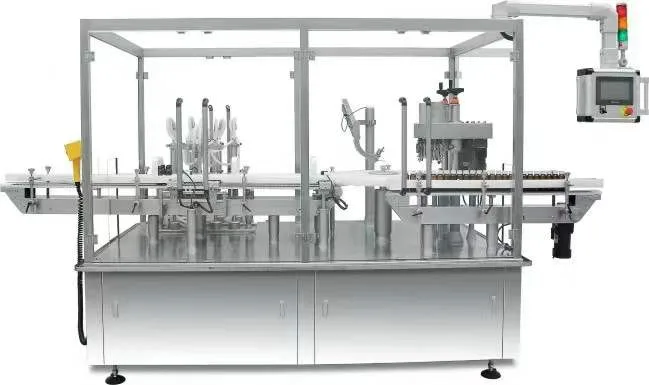
Incorrect machine selection can lead to:
A properly matched system ensures long-term efficiency and product quality.
It can handle lotions, creams, shampoos, oils, serums, gels, and other personal care liquids depending on the machine type.
Yes, there are semi-automatic models designed specifically for startups and small cosmetic brands.
Yes, but changeover time and cleaning requirements depend on product viscosity and machine design.
Most modern machines are adjustable and can accommodate a range of container sizes.
Piston fillers handle thicker products, while peristaltic systems are ideal for sensitive or thin liquids requiring hygienic transfer.
Still filling handles non-carbonated liquids, while carbonated filling is designed for pressurised, gas-containing beverages.
Most systems are designed for one or the other. Hybrid systems exist but are more complex and expensive.
To keep CO₂ dissolved in the liquid and prevent foaming or gas loss during filling.
In many cases, yes. Still filling systems are simpler and do not require pressure stabilisation.
Mainly beverage manufacturers producing soft drinks, beer, and sparkling water.