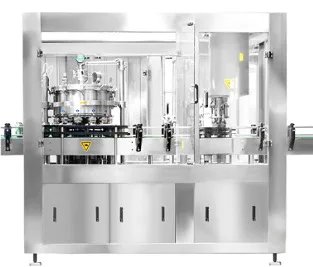
A canning line is a complete production system that automates every stage of the can packaging process, from empty can handling through filling, seaming, coding, inspection and final case packing.
SA Packaging Machinery supplies complete canning lines for food, beverage and industrial products. Whether you need a compact system for growing production or a high-speed automated line, we help you configure equipment that matches your production capacity and packaging requirements.
Explain that a complete canning line is made up of several machines working together.
Typical stages include:
Every stage is designed to maximise throughput while maintaining product quality and seam integrity.
Whether you’re starting a new production line or upgrading existing equipment, our canning systems are designed to handle every step of the process with precision and reliability. From accurate filling to airtight sealing, our machines support high-output production with minimal downtime.
Our can fillers are engineered for accurate, high-speed filling of liquids and semi-liquids — perfect for:
Beverages (juice, beer, soda)
Soups and sauces
Oils and liquid foods
Chemical and industrial fluids
Sealing is one of the most critical steps in a canning line, ensuring product safety, longer shelf life, and leak-free packaging. Our robust seaming machines deliver:
Consistent, airtight seals every cycle
Compatibility with aluminium and steel cans
Durable construction for continuous operations
Our complete production lines seamlessly integrate filling, seaming, and packaging, enabling you to:
Fill cans with accuracy
Seam for long-lasting freshness
Prepare products for secondary packaging, distribution, or retail shelving
This integrated approach enhances efficiency, optimises workflows, and reduces manual handling.
| Production Size | Cans per Minute | Best For |
|---|---|---|
| Entry Level | 10–30 CPM | Startups |
| Medium Production | 30–80 CPM | Growing manufacturers |
| High Production | 80–250+ CPM | Large food & beverage factories |
Investing in an automated canning line helps manufacturers increase production efficiency, maintain consistent product quality, and reduce operating costs. By integrating each stage of the packaging process into one seamless system, businesses can improve productivity while ensuring every can meets quality standards.
A complete canning line automates the movement of cans from depalletising through filling, seaming, coding and final packaging. Automation reduces bottlenecks, minimises manual handling and allows your operation to achieve higher production rates with greater consistency.
Modern filling systems are designed to deliver precise fill volumes, reducing product waste and ensuring every can meets your required specifications. Accurate filling also helps maintain product quality and customer satisfaction.
The double seam is one of the most important parts of the canning process. Automated seamers create consistent, secure seams that protect products from contamination, preserve freshness and extend shelf life.
Instead of relying on multiple manual processes, a fully integrated canning line automates repetitive tasks. This allows operators to focus on quality control, maintenance and production management while reducing labour costs.
Food and beverage manufacturers must meet strict hygiene standards. Automated canning lines reduce product handling and contamination risks while supporting compliance with food safety regulations through sanitary stainless-steel construction and controlled production processes.
Many canning lines can be configured to handle multiple can diameters, heights and product types with minimal changeover time. This flexibility allows manufacturers to expand their product range without investing in entirely new production systems.
Integrated coding and marking systems apply batch numbers, production dates and expiry information directly to each can. This improves traceability, inventory management and compliance with industry regulations.
Whether you’re launching a new beverage brand or expanding an established food production facility, a canning line can often be upgraded with additional equipment such as depalletisers, inspection systems, labellers, case packers and palletisers as production demand increases.
Selecting the right canning line depends on your products, production goals and future growth plans. Understanding your operational requirements before investing helps ensure you choose equipment that delivers reliable performance and long-term value.
Start by estimating how many cans you need to produce each minute or hour. Smaller businesses may only require a compact system producing 10–30 cans per minute, while larger manufacturers often require fully automated lines capable of producing well over 100 cans per minute.
Different products require different filling technologies. Carbonated beverages, still drinks, sauces, soups, oils and powdered products each have unique filling requirements. Choosing a canning line designed specifically for your product ensures accurate filling, minimal waste and reliable performance.
Consider the range of can sizes your business will package. If you produce multiple products, selecting equipment that allows quick changeovers between different can diameters and heights will improve flexibility and reduce downtime.
A complete canning line can include much more than filling and seaming. Depending on your production requirements, you may benefit from:
Choosing only the equipment you need today while allowing room for future expansion can reduce initial investment costs.
Production facilities vary considerably in size. Before selecting equipment, assess your available floor space, utility connections and production flow to ensure the canning line can be installed efficiently without disrupting existing operations.
Many businesses start with semi-automatic or medium-speed canning lines before expanding into higher-capacity systems. Choosing modular equipment allows additional machines and automation to be added as production volumes increase.
Reliable technical support, spare parts availability and operator training are just as important as the machinery itself. Working with a local supplier ensures faster installation, ongoing maintenance and reduced downtime throughout the life of your equipment.
Every production facility has unique requirements. Consulting with an experienced packaging machinery supplier ensures your canning line is configured for your product type, production capacity, can sizes and long-term business goals, helping you maximise efficiency and return on investment.
At SA Packaging Machinery, we don’t just sell machines — we deliver solutions:
Customised production lines for small to high-speed industrial environments
Expert guidance from start to finish
Reliable after-sales support and service
Machines built for durability and performance
With years of experience supporting manufacturers across South Africa and beyond, we understand your packaging challenges — and we build systems to solve them.
A well-designed canning line isn’t just about connecting machines — it’s about synchronising speed, accuracy, and reliability across every stage. With our solutions, you can:
Our machines handle a wide range of products including beverages, sauces, soups, oils, and even non-food liquids like chemicals and industrial fluids. Custom configurations are available for different product viscosities and needs.
A fill-and-seam machine integrates both the filling and sealing stages into a single process. Cans are accurately filled and then immediately sealed with an airtight seam to ensure product integrity.
Yes — our canning solutions are designed to be flexible and adjustable so you can process different can diameters and heights with minimal changeover time.
Food and beverage companies, breweries, chemical manufacturers, pharmaceutical producers, and industrial product manufacturers benefit from efficient canning lines that improve productivity and product quality.
Yes — we offer installation guidance, ongoing maintenance support, and access to spare parts throughout South Africa to keep your production line running smoothly.
Key factors include production volume, product type, viscosity, desired automation level, and future scalability. A packaging specialist can help tailor the best solution to your requirements.
Ready to upgrade your canning line or discuss a full production solution?
👉 Request a Quote
👉 Speak with a Packaging Specialist
👉 Get Custom Line Design Support