A Tube Fill and Seal Packaging Machine is an automated packaging solution designed to accurately fill, seal and finish plastic, laminated and aluminium tubes with creams, gels, ointments, pastes and liquids. These machines are widely used in the cosmetics, pharmaceutical and chemical industries where precise dosing, hygienic packaging and professional product presentation are essential.
At SA Packaging Machinery, we supply reliable tube filling and sealing machines in South Africa, ranging from manual tube filling machines and semi automatic tube filling and sealing machines to fully automatic tube filling and sealing machines. Our solutions are designed to improve production efficiency, reduce product waste and ensure consistent packaging quality.
Whether you require a cosmetic tube filling machine, ointment tube filling and sealing machine, pharmaceutical tube filling machine or toothpaste tube filling machine, we provide packaging solutions tailored to your production requirements.

A tube filling and sealing machine is a packaging system designed to fill pre-formed tubes with product before sealing them using heat, ultrasonic or hot air technology.
Tube filling machines are suitable for:
How Does the Machine Work?
The packaging process typically includes:
Depending on the application, the machine may use:
Modern automatic tube filling and sealing machines may integrate:

A Tube Fill and Seal Packaging Machine is an automated packaging solution designed to accurately fill, seal and finish plastic, laminated and aluminium tubes with creams, gels, ointments, pastes and liquids. These machines are widely used in the cosmetics, pharmaceutical and chemical industries where precise dosing, hygienic packaging and professional product presentation are essential.
At SA Packaging Machinery, we supply reliable tube filling and sealing machines in South Africa, ranging from manual tube filling machines and semi automatic tube filling and sealing machines to fully automatic tube filling and sealing machines. Our solutions are designed to improve production efficiency, reduce product waste and ensure consistent packaging quality.
Whether you require a cosmetic tube filling machine, ointment tube filling and sealing machine, pharmaceutical tube filling machine or toothpaste tube filling machine, we provide packaging solutions tailored to your production requirements.


Cosmetic tube filling and sealing machines are widely used for:
Tube filling equipment is commonly used for:

Pharmaceutical tube filling machines are used for:

Cosmetic tube filling and sealing machines are widely used for:
Tube filling equipment is commonly used for:
Pharmaceutical tube filling machines are used for:
The Tube Fill and Seal Machine range is designed to accommodate different production capacities and tube formats, offering flexible configurations across small, medium, and high-output models. The specifications below provide a clear overview of the key technical parameters for each machine model to assist in selecting the most suitable solution for your production requirements.
| Machine Model | 400 Model SAP-400F | 400 Model SAP-400L | 800 Model SAP-800F | 800 Model SAP-800L | 1200 Model SAP-1200F | 1200 Model SAP-1200L |
|---|---|---|---|---|---|---|
| Tube Material | Plastic tube, laminated tube | Metal tube, ALU tube | Plastic tube, laminated tube | Metal tube, ALU tube | Plastic tube, laminated tube | Metal tube, ALU tube |
| Tube Diameter (mm) | φ13–φ60 | φ13–φ35 | φ13–φ50 | φ13–φ32 | φ13–φ50 | φ13–φ32 |
| Tube Length (mm) | 50–220 | 50–220 | 50–220 | 50–220 | 50–220 | 50–220 |
| Filling Volume | 3–400 | 3–150 | 3–150 | 3–150 | 3–150 | 3–150 |
| Filling Accuracy | ≤±1% | ≤±1% | ≤±1% | ≤±1% | ≤±1% | ≤±1% |
| Product Capacity (pcs/min) | 30–70 | 30–70 | 60–140 | 60–140 | 150–200 | 150–200 |
| Air Pressure | 0.55–0.65 MPa | 0.55–0.65 MPa | 0.55–0.65 MPa | 0.55–0.65 MPa | 0.55–0.65 MPa | 0.55–0.65 MPa |
| Air Consumption (m³/min) | 0.1 | 0.1 | 0.1 | 0.1 | 0.1 | 0.1 |
| Power Supply (380V/220V, 50Hz) | 6 kW | 3 kW | 11 kW | 5 kW | 28 kW | 19 kW |
| Machine Dimensions (L×W×H mm) | 2650×1050×2000 | 2650×1050×2000 | 3300×1500×2000 | 3300×1500×2000 | 4400×1800×2100 | 4400×1800×2100 |
| Machine Weight (kg) | 900 | 900 | 2200 | 2200 | 2500 | 2500 |
Need detailed operating instructions, maintenance schedules, troubleshooting guides and safety information?
Complete the form below and we’ll send the manual directly to your inbox.
Choosing the right tube filling and sealing machine is essential for achieving efficient production, consistent product quality, and reliable packaging performance. Factors such as production volume, level of automation, and tube material all influence which machine configuration is best suited to your operation. Understanding these differences can help manufacturers select the most effective tube packaging solution for cosmetic, pharmaceutical, food, chemical, and personal care products.
One of the most important decisions when investing in tube packaging equipment is choosing between a semi-automatic and fully automatic tube filling and sealing machine. While both systems accurately fill and seal tubes, they are designed for different production capacities and operational requirements.
Automatic Tube Filling and Sealing Machines
Automatic tube filling and sealing machines perform tube feeding, orientation, filling, sealing, coding, and discharge automatically. These systems are designed for continuous production environments where speed, consistency, and efficiency are critical.
Advantages:
Best suited for:
Semi-Automatic Tube Filling and Sealing Machines
Semi-automatic tube fillers require an operator to manually load and remove tubes while the machine performs the filling and sealing process. These machines are ideal for businesses that require professional packaging results without the investment associated with fully automated production lines.
Advantages:
Best suited for:
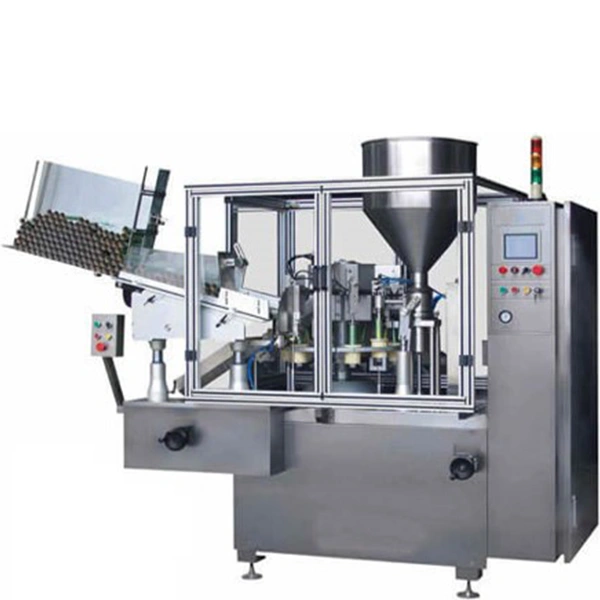
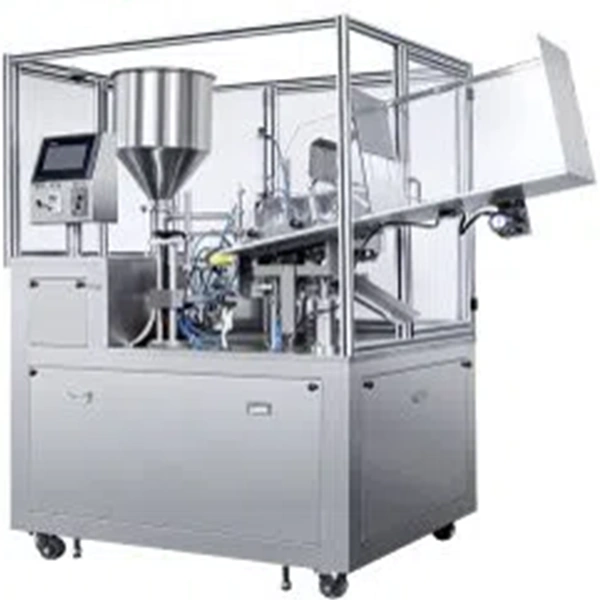
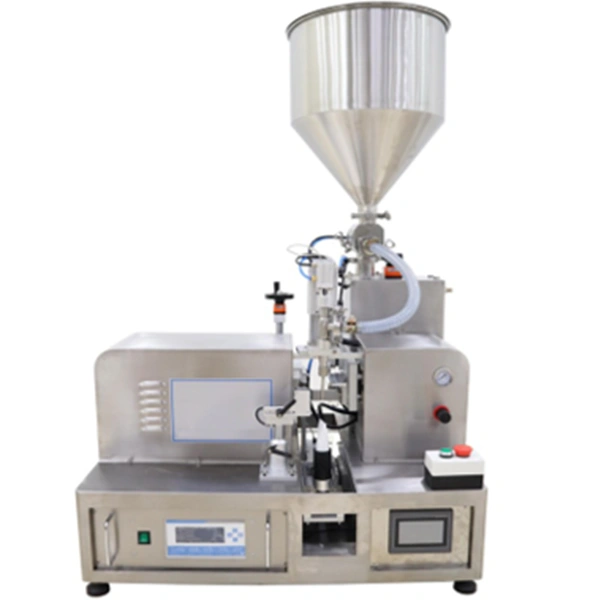
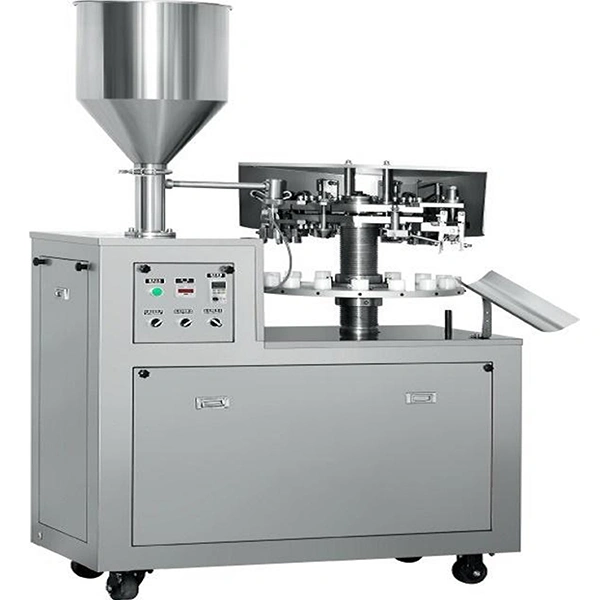
The type of tube used can significantly impact packaging appearance, product protection, filling requirements, and sealing technology. Plastic and aluminium tubes are among the most common packaging formats used across a wide range of industries.
Plastic Tubes
Plastic tubes are widely used due to their flexibility, attractive appearance, and ability to accommodate various sealing and decorating options. They are commonly found in cosmetic, personal care, food, and pharmaceutical applications.
Advantages:
Best suited for:
Sealing Method:
Plastic tubes are typically sealed using heat sealing technology, creating a strong and leak-resistant closure.
Aluminium Tubes
Aluminium tubes provide excellent barrier protection against light, air, and moisture, making them ideal for sensitive products requiring extended shelf life and product stability.
Advantages:
Best suited for:
Sealing Method:
Aluminium tubes are sealed by mechanically folding and crimping the tube end to create a secure closure.
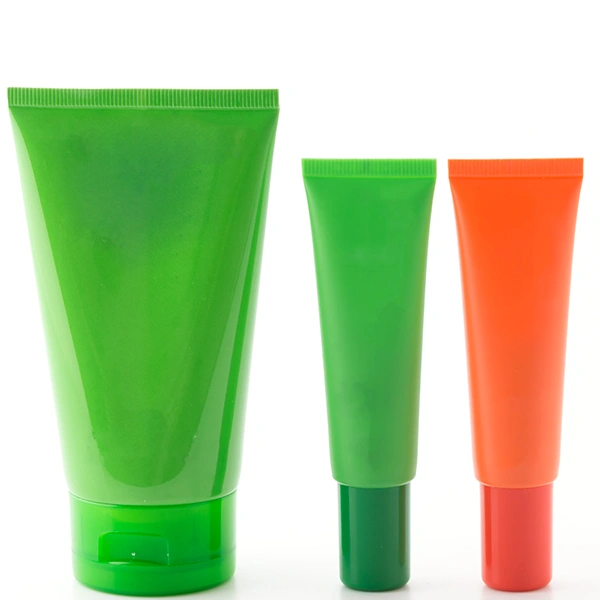
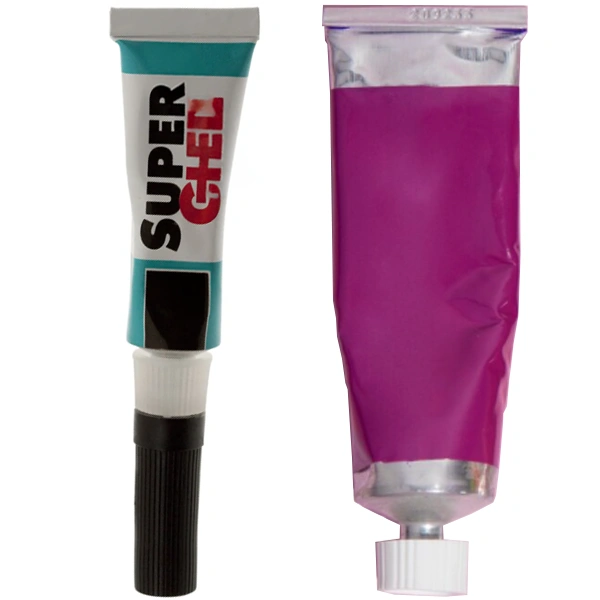
Tube filler and sealer machines provide an efficient and reliable solution for filling and sealing plastic, laminated, and aluminium tubes with a wide range of products. Commonly used in the pharmaceutical, cosmetic, personal care, food, and chemical industries, these systems ensure accurate filling, secure sealing, and a professional finished appearance. Whether packaging creams, gels, ointments, pastes, adhesives, or other viscous products, tube filling and sealing machines help improve production efficiency, reduce product waste, and maintain consistent packaging quality. The following case studies highlight how our tube filler and sealer solutions have been successfully implemented across various applications, delivering dependable performance and scalable production capabilities.
A manufacturing operation required a high-speed solution for filling and sealing plastic tubes. Following extensive sample testing with the factory, an Automatic Tube Filler and Sealer was selected to meet the customer’s production requirements. The machine is currently undergoing final testing before installation, ensuring optimal performance and product quality from day one.
Read the full case study to see how the right tube filling solution was selected through testing, validation, and collaborative engineering.
A tube filling and sealing machine is a specialized piece of equipment designed to fill and seal liquids, pastes, or viscous substances into tubes made from plastic, polyfoil, or aluminium. It is commonly used in industries like cosmetics, pharmaceuticals, and food packaging.
Tube filling machines are versatile and can handle a wide range of products, including:
Yes, these machines can efficiently handle products of varying viscosities, from liquid substances like lotions to thicker materials like ointments, silicone sealants, and glue.
These machines are widely used in:
Yes, tube filling machines can be customized based on production needs. Options include additional stirring devices, saddle folding equipment, or other modules tailored to specific applications like silicone sealant filling or cosmetic cream packaging.
Yes, they are designed to accommodate various tube materials, including laminated, plastic, polyfoil, and aluminium tubes.
Tube filling machines typically use heat sealing or crimping techniques, depending on the material of the tube. These methods ensure airtight and secure seals to maintain product integrity.
The machines feature adjustable dust aspiration, vacuum systems, and stainless-steel contact parts that are easy to clean, making them ideal for hygienic applications in cosmetics, pharmaceuticals, and food industries.
Yes, tube filling and sealing machines are modular and flexible, allowing seamless integration into both new and existing production lines.
Usually going to cartoning.
These machines can process:
Yes, SA Packaging Machinery supplies tube filling and sealing machines throughout South Africa.
SA Packaging Machinery supplies high-quality tube filling and sealing machines in South Africa for businesses requiring reliable tube packaging solutions.
Our solutions serve:
SA Packaging Machinery supplies tube filling machines for sale in South Africa for businesses requiring accurate and efficient tube packaging.
We also supply:
SA Packaging Machinery is a trusted supplier of tube packaging machinery in South Africa.
We Offer:
Industries We Serve
We help businesses select the ideal tube packaging machine based on:
Factors Affecting Machine Price
The tube filling and sealing machine price depends on:
Businesses evaluating tube sealer price, tube filling machine price or tube fill and seal machines pricing should consider long-term productivity and operating costs.
Optional Features
Optional equipment may include:
For accurate pricing on tube filling and sealing machines in South Africa, contact SA Packaging Machinery for a customised quotation based on your production requirements.

Integrates filling, screw capping, and labelling into a single automated bottle packaging system, delivering accurate dosing, secure cap application, and precise labelling for a wide range of liquid products.
Ideal for protecting, containing, transporting, and displaying single products on pegs or shelves. Shrink wrapping provides a secure, tamper-evident packaging solution while enhancing product presentation and shelf appeal.
Ideal for filling powder, granule, and liquid products while automatically forming, filling, and sealing bags in a single process. VFFS machines offer efficient, high-speed packaging with consistent accuracy and product protection.
