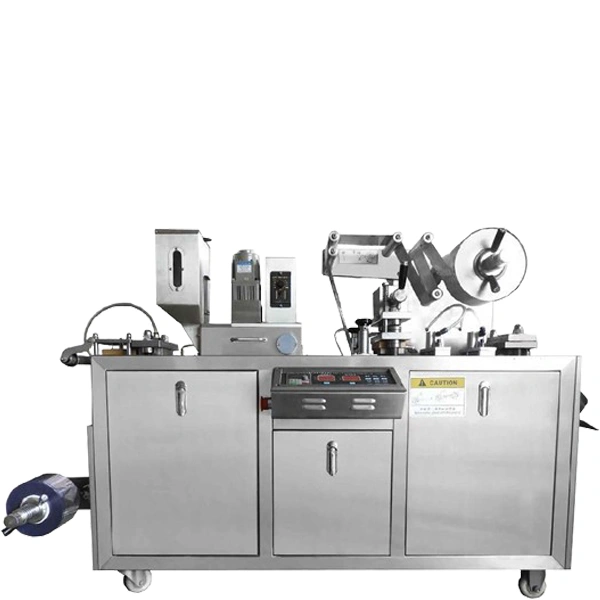
Blister packaging machines automate the process of creating protective, sealed packages for products ranging from pharmaceuticals and medical devices to batteries, electronics, cosmetics, and consumer goods. By combining forming, filling, sealing, and cutting into one production line, these machines deliver high-speed, tamper-evident packaging with excellent product protection.
Whether you’re packaging tablets, capsules, syringes, batteries, or small hardware, understanding how blister packaging machines work can help you choose the right equipment for your production requirements.
A blister packaging machine forms a cavity (called a blister) from plastic or aluminium, places the product inside, seals it with a backing material, and cuts the finished packs into their final shape.
The process is largely automated, ensuring:
Although machines vary by application, most follow the same five production stages.
The first step is creating the cavities that will hold the products.
There are two main forming methods:
Thermoforming heats a plastic film until it becomes soft and flexible. The heated film is then drawn into moulds using vacuum, air pressure, or mechanical force to create precisely shaped pockets.
Common materials include:
Thermoforming is ideal when:
Cold forming uses aluminium laminate instead of plastic.
Rather than heating the material, the machine mechanically presses aluminium into mould cavities under high pressure.
Cold-form blister packs provide:
Because aluminium is opaque, the product cannot be seen through the pack.
Cold-form packaging is widely used for moisture-sensitive pharmaceutical products.
Once the cavities are formed, products are automatically placed into each blister.
Depending on the application, filling systems may include:
Modern blister packaging machines include sensors that detect missing or incorrectly positioned products before sealing.
After filling, a lidding material is fed over the blister cavities.
The machine applies carefully controlled:
to permanently bond the lidding material to the blister.
Common lidding materials include:
Proper sealing ensures:
Many blister packaging machines include integrated coding systems that print:
This is especially important in pharmaceutical manufacturing where product traceability is mandatory.
Once sealed, the continuous web passes through cutting stations.
The machine may:
Finished packs are then transferred for inspection, cartoning, or case packing.
| Feature | Thermoforming | Cold Forming |
|---|---|---|
| Material | Plastic film | Aluminium laminate |
| Product visibility | Clear | Opaque |
| Moisture barrier | Good | Excellent |
| Oxygen barrier | Good | Excellent |
| Light protection | Moderate | Complete |
| Packaging cost | Lower | Higher |
| Production speed | Faster | Slower |
| Cavity depth | Greater flexibility | More limited |
| Best for | Consumer goods, food, cosmetics | Pharmaceuticals |
Blister packaging machines are widely used across multiple industries.
Compared to manual packaging, automated blister packaging machines offer:
Choose thermoforming if you need:
Choose cold-form blister packaging if your products require:
SA Packaging Machinery supplies blister packaging machines designed for South African manufacturers looking to improve packaging efficiency, consistency, and product protection.
Whether you require thermoforming equipment for consumer goods or cold-form blister machines for pharmaceutical applications, our team can recommend a solution tailored to your production volume, packaging material, and compliance requirements.
Contact us today for expert advice and a customised quotation.
A blister packaging machine forms cavities from plastic or aluminium, fills them with products, seals them with a lidding material, and cuts the finished blister packs into their final shape.
Thermoforming uses heated plastic to create transparent cavities, while cold forming presses aluminium laminate into shape without heat. Cold-form packaging offers superior moisture and oxygen protection.
Blister packaging is commonly used for tablets, capsules, batteries, electronics, cosmetics, medical devices, confectionery, and small consumer products.
Cold-form aluminium provides exceptional protection against moisture, oxygen, and light, helping maintain the stability and shelf life of sensitive pharmaceutical products.
Common blister materials include PVC, PET, PETG, PP, aluminium laminate, aluminium foil, paper-backed foil, and Tyvek®, depending on the application.
Yes. Many modern blister packaging machines include integrated coding systems that print batch numbers, expiry dates, barcodes, QR codes, and serialisation information during production.