Whether you’re packaging food, beverages, pharmaceuticals or industrial products, understanding how packaging machines work is the first step in choosing the right solution. This guide explains the complete packaging process, introduces the most common types of packaging machinery, and links to detailed guides for each machine family.
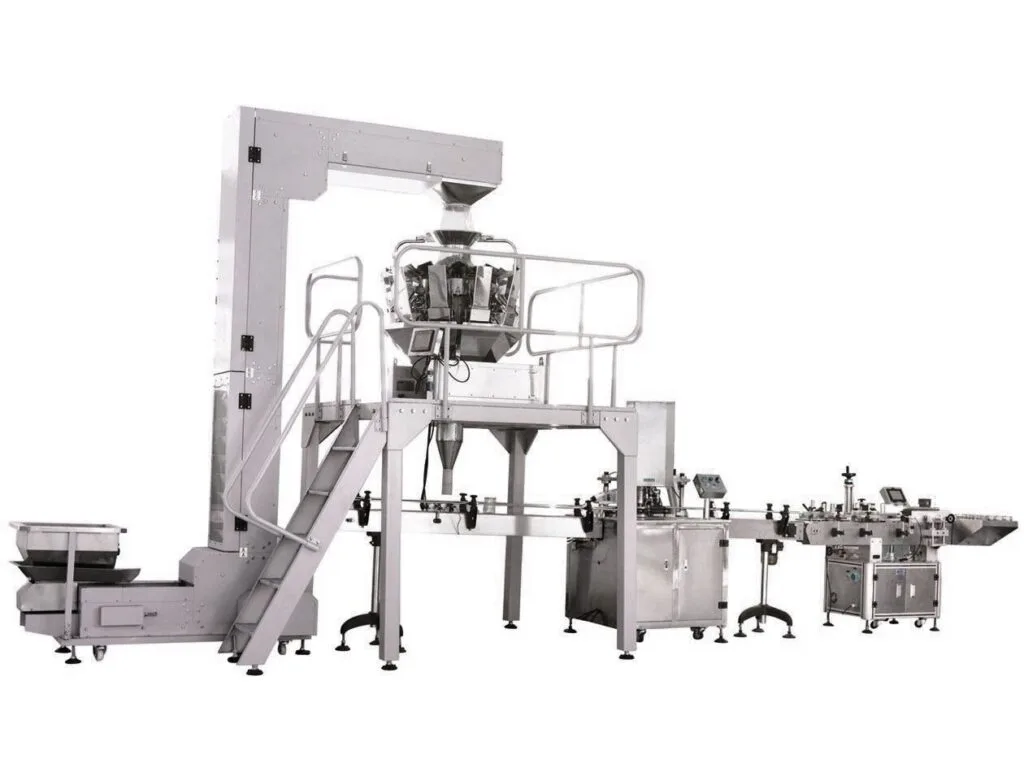
Packaging machines are designed to automate one or more stages of the packaging process, helping manufacturers package products faster, more accurately and more consistently than manual methods. Depending on the application, a machine may fill containers, seal packages, apply labels, wrap products, carton finished goods or prepare them for palletising.
Modern packaging machinery is used across industries including food and beverage, pharmaceuticals, cosmetics, chemicals, agriculture and household products. From compact tabletop machines for small businesses to fully automated production lines capable of packaging thousands of products per hour, there is a solution for virtually every production environment.
In this guide, you’ll learn how packaging machines work, the different machine types available, and how to choose the right equipment for your business.
Although packaging machines vary depending on the product and packaging format, most automated systems follow the same basic sequence:
The product is manually loaded or automatically transferred into the packaging system using conveyors, hoppers or feeders.
The machine accurately measures the required amount of product using weighing systems, augers, volumetric fillers or liquid filling equipment.
The packaging material is prepared. This may involve forming a bag from roll film, positioning bottles or containers, or feeding pre-made pouches, cups or trays into the machine.
The measured product is dispensed into the package with high accuracy and repeatability.
Heat, pressure or induction technology creates a secure seal to protect the product from contamination, moisture and tampering.
Batch numbers, expiry dates, barcodes and product labels are applied where required.
Automated inspection systems check fill levels, seal quality, labels and product weight before products leave the line.
Products may then be packed into cartons, shrink wrapped, case packed or palletised for storage and transport.
Vertical Form Fill Seal (VFFS) machines create bags from a continuous roll of film, fill them with product, seal the package and cut individual bags in one continuous automated process. They are widely used for snacks, coffee, grains, powders, frozen foods and pet food.
Read More: How VFFS Machines Work
HFFS machines operate horizontally, making them ideal for products that require careful handling or modified atmosphere packaging. They form the package, insert the product and create airtight seals in one integrated process.
Read More: How HFFS Machines Work
Flow wrappers wrap individual products in flexible film before sealing both ends to create a protective package. They are commonly used for bakery products, confectionery, fresh produce, hardware and medical products.
Read More: How Flow Wrapping Machines Work
Bottle filling systems accurately fill bottles with liquids before capping, sealing and labelling them. These systems are widely used for beverages, sauces, chemicals, cleaning products and pharmaceuticals.
Read More: Bottle Filling Machines
Cup filling and sealing machines automatically fill cups with products such as yoghurt, sauces, desserts and beverages before applying a secure heat seal or lid.
Read More: Cup Sealing Machines
Shrink wrapping machines enclose products in shrink film before passing them through a heat tunnel that tightly conforms the film around the product for protection and presentation.
Read More: Shrink Wrapping Machines
Canning systems fill cans with product before using precision seamers to create airtight double seams that preserve freshness and extend shelf life.
Read More: How Can Seamers Work
Labelling machines automatically apply front, back, wrap-around or tamper-evident labels to bottles, jars, cartons and containers at high speed.
Read More: Labelling Machines
Cartoning machines automatically place products into cartons before closing and sealing them, improving packaging efficiency for retail distribution.
Read More: Cartoning Machines
Packaging automation provides significant advantages for manufacturers of all sizes.
Packaging machinery is used across many industries, including:
Selecting the right packaging machine depends on several factors.
Consider:
Working with an experienced packaging machinery supplier helps ensure you invest in equipment that meets your current and future production needs.
Whether you’re upgrading an existing production line or investing in packaging automation for the first time, SA Packaging Machinery can help you find the right solution for your products and production goals.
A packaging machine is a piece of equipment that automates one or more stages of the packaging process. Depending on the application, it can fill, seal, wrap, label, cap, carton or palletise products. Packaging machines improve production speed, consistency and product quality while reducing manual labour and packaging errors.
Most packaging machines follow a similar process. First, the product is fed into the machine and accurately measured. The packaging material, such as a bag, bottle, cup or can, is then prepared before the product is filled. The package is sealed, labelled or date coded if required, inspected for quality, and finally prepared for shipping through cartoning, shrink wrapping or palletising. The exact process depends on the type of packaging machine and product being packaged.
There are many types of packaging machines designed for different products and packaging formats. Common examples include:
Each machine is designed to perform specific packaging tasks and can often be integrated into a complete production line.
The best packaging machine depends on the type of food being packaged. Dry products like snacks, rice and coffee are commonly packaged using VFFS machines, while baked goods are often packaged with flow wrappers. Liquids such as sauces and beverages require bottle or cup filling machines, and ready meals may use tray sealing or canning systems. Choosing the right machine depends on the product, packaging style and production volume.
Many modern packaging machines can accommodate different package sizes and formats with adjustable settings or change parts. Depending on the machine, operators can switch between various bag lengths, bottle sizes, cup diameters or container heights. For businesses packaging multiple products, choosing a machine with quick changeover capabilities can reduce downtime and improve productivity.
Packaging machines are used in a wide range of industries, including:
Packaging automation helps businesses improve efficiency, maintain product quality and meet industry standards.
Packaging machines are available in manual, semi-automatic and fully automatic models. Manual machines are suitable for small businesses and lower production volumes, while semi-automatic machines combine manual loading with automated packaging functions. Fully automatic systems handle the complete packaging process with minimal operator involvement, making them ideal for high-volume production environments.
The cost of a packaging machine varies depending on the machine type, production speed, automation level and optional features. Entry-level machines for small businesses are generally more affordable, while fully automated production lines require a larger investment. The best way to determine pricing is to request a quotation based on your product, packaging requirements and production capacity.
Regular maintenance helps maximise machine performance and minimise downtime. Routine tasks include cleaning product contact surfaces, inspecting sealing components, lubricating moving parts where required, checking belts and conveyors, replacing worn components and ensuring sensors and safety systems are functioning correctly. Following the manufacturer’s maintenance schedule can significantly extend the lifespan of your equipment.
Choosing the right packaging machine depends on several factors, including the type of product, packaging format, production speed, available floor space, budget and future growth plans. Working with an experienced packaging machinery supplier can help you identify the most suitable solution for your application and ensure your equipment integrates seamlessly with your production line.