Flow wrap machines for medical products play a critical role in ensuring hygiene, safety, and compliance within the healthcare and pharmaceutical industries. From surgical instruments to disposable medical supplies, proper packaging is essential to maintain sterility and product integrity.
In an industry where contamination risks must be minimized, flow wrapping offers a reliable, efficient, and cost-effective solution. This article explores how these machines work, their benefits, and why they are essential for modern medical packaging operations.
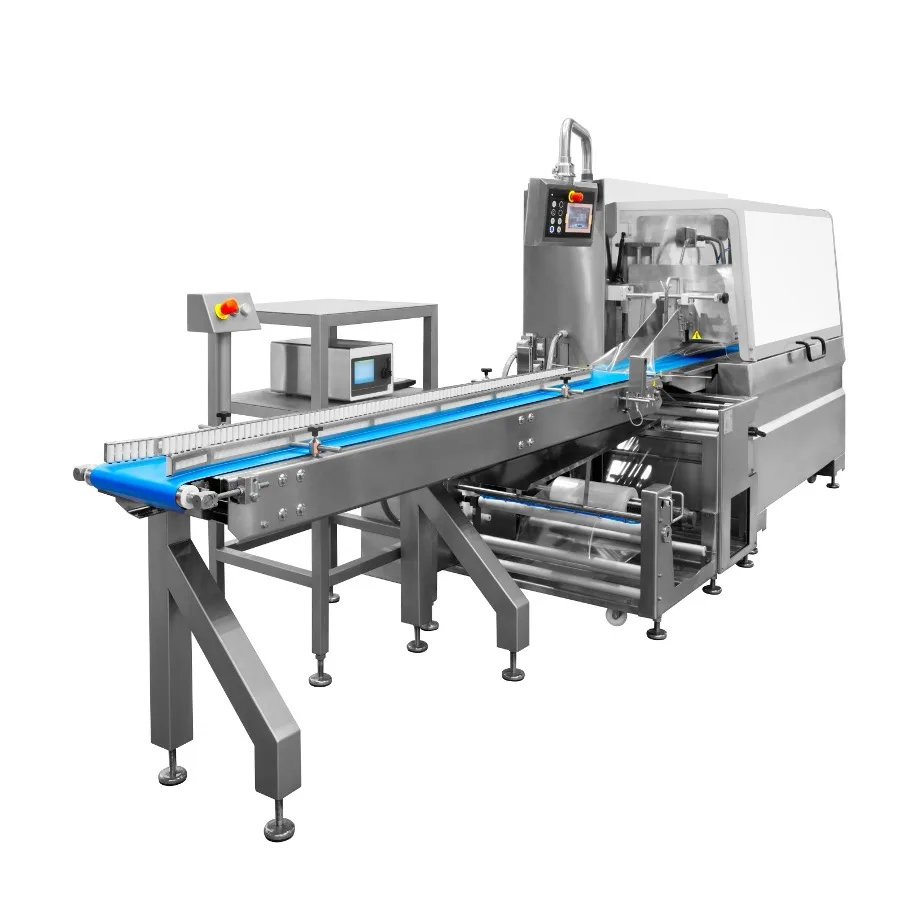
Flow wrap machines for medical products are automated packaging systems designed to wrap items in a continuous film, sealing them securely in a protective barrier. This type of packaging is commonly used for:
The process involves feeding products horizontally into the machine, where they are wrapped, sealed, and cut into individual packages. The result is a clean, airtight seal that protects against contamination.
Medical products require strict hygiene standards. Flow wrap machines support sterile packaging processes by minimizing human contact and ensuring consistent sealing. When combined with medical-grade films, they help maintain product sterility.
In high-demand environments such as hospitals and pharmaceutical production, speed is essential. Flow wrap machines can package hundreds of units per minute, making them ideal for large-scale operations.
Consistency is crucial in medical packaging. Flow wrap machines deliver uniform seals that reduce the risk of contamination or product damage during transport and storage.
These machines can accommodate a wide range of product sizes and shapes, making them suitable for various medical applications. Whether packaging small instruments or larger kits, flow wrapping provides versatility.
Medical packaging must comply with strict standards such as ISO and GMP guidelines. Flow wrap machines are designed to integrate seamlessly into compliant production lines, ensuring:
Flow wrap systems can use specialized films such as:
These materials enhance protection and meet regulatory requirements for medical use.
When investing in flow wrap machines for medical products, consider the following features:
Essential for hygiene and easy cleaning, especially in sterile environments.
Machines should integrate with existing production lines, including labeling and inspection systems.
Advanced controls ensure accurate sealing temperatures and speeds, reducing waste and improving efficiency.
For pharmaceutical and medical device manufacturing, machines must be suitable for cleanroom environments.
Flow wrap machines are widely used across different sectors in the medical industry:
Their adaptability makes them a preferred solution for both small-scale and large-scale operations.
These advantages make flow wrapping a strategic investment for businesses aiming to improve operational efficiency while maintaining compliance.
For businesses operating locally, investing in flow wrap machines for medical products ensures you meet both global standards and local regulatory requirements. Additionally, local support and servicing reduce downtime and improve long-term reliability.
With the growing demand for medical supplies, especially post-pandemic, efficient packaging solutions are more important than ever.
Looking to upgrade your medical packaging process?
Our team specializes in providing flow wrap machines for medical products tailored to your production needs. Whether you require high-speed automation or cleanroom-compatible solutions, we can help.
Get in touch today to discuss your requirements and receive a customized quote.
Flow wrap machines can package a wide range of items, including surgical tools, syringes, gloves, masks, and diagnostic kits.
Yes, when used with the correct materials and in controlled environments, they support sterile packaging requirements.
Common materials include medical-grade films such as polyethylene and laminated barrier films designed for hygiene and durability.
Modern machines are designed to meet ISO and GMP standards, ensuring safe and compliant packaging.
Yes, they offer high-speed production, reduced labor costs, and minimal material waste, making them a cost-efficient solution.